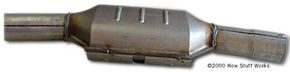
Your car’s exhaust system isn’t just a pipe. It is a chemical treatment system mounted on the undercarriage. You’ve felt the heat radiate through the floorboards during a long drive. This is a catalyst at work. It is located between the engine block and the muffler, usually hidden under the passenger compartment. Its mission is cruel but simple: to convert toxic exhaust gas compounds into harmless ones. Without them, modern cars would be illegal and dirty.
These units became standard on US vehicles in the mid-1970s. They also forced the industry to abandon leaded gasoline. Lead covers the catalyst. It kills the chemical reaction. It clogs the system. Unleaded fuel was not just an environmental preference. It was a mechanical necessity.
Inside the Honeycomb
The exterior looks like a small muffler. The interior is a high temperature ceramic labyrinth. Imagine a honeycomb structure or a bed of tiny beads. This geometry maximizes surface area. It forces the hot exhaust gases to rub against the catalyst coating.
Catalysts themselves are precious metals. Palladium and platinum take care of oxidation. They convert unburned hydrocarbons and carbon monoxide into carbon dioxide and water. Rhodium does the reduction. It breaks down nitrogen oxides, one of the main causes of smoke, into nitrogen and oxygen. The amounts used are microscopic. This keeps costs down while maintaining efficiency.
The system is designed according to the lifetime of the vehicle. Clogs are rare. Poisoning occurs less often. But when it fails, it fails hard.
The Two Ways It Dies
The catalytic converter is either blocked or poisoned. There is no inspection port. You can’t look in and see the blockage. The mechanics often have to guess. You can temporarily remove the upstream oxygen sensor to see if engine performance improves. If so, the converter is likely restricting flow.
A healthy converter requires a certain air to fuel ratio and temperature. If you mess with either, you will damage the device.
Leaded fuel destroys it. This also applies to excessive fuel additives. These substances coat the precious metals and thus make them inert. But mechanical faults are more often the cause.
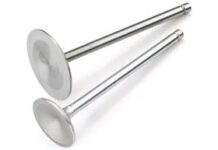
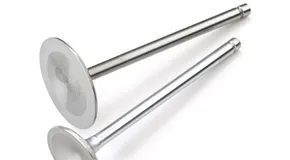
Bad exhaust valves allow unburned fuel to dump into the exhaust stream. Dirty spark plugs have the same effect. Unburnt fuel ignites inside the converter. Temperatures skyrocket. The ceramic substrate melts. The honeycomb collapses. The converter dies a fiery death.
Symptoms of a clogged converter
How do you know it will fail? You feel it.
The car feels slow. You hit the gas. The engine revs. The car doesn’t go faster. It works like a engine governor. It limits RPMs to a fast idle. You will also notice that fuel economy tanking. The engine works harder to push the exhaust gases through the clogged pipe.
If it is completely blocked, the engine chokes out. The back pressure becomes so strong that the engine stalls after a few minutes. It literally suffocates.
The warranty often covers these parts longer than the rest of the car. Manufacturers know they are very important. But they also know they are prone to driver error.
Keep the ignition system tight. Repair misfires immediately. Do not allow unburnt fuel into the exhaust pipe. And for heaven’s sake, don’t park on top of dry leaves or tall grass. A functioning converter reaches temperatures high enough to ignite vegetation. You aren’t just risking your car. You are endangering the neighborhood.
Emissions tests in many states check for removal or malfunction. Removing a factory installed device is illegal. Some mechanics install a “test pipe” to pass the inspection temporarily. But it’s a workaround, not a solution.
So you know it’s broken. You feel a lack of power. You see the poor mileage. But the real question is why it happened in the first place. Was there a maintenance problem? Manufacturing error? Or are you just unlucky with a cheap refill of gas?
The system is resilient. But it’s not invincible. As soon as the ceramic core melts or the catalyst is poisoned, look for a replacement. No repair.