Talk to any gearhead long enough and the conversation will inevitably drift to valve jobs, multi-angle grinding, or the intricate dance of the valvetrain. It’s a serious matter. These components act as gatekeepers by regulating the flow of air and fuel into the combustion chambers and removing exhaust gases. When a valve fails, it’s not just a minor hiccup; This can lead to catastrophic engine damage.
So how do you know when one is on their way out? And most importantly, what is the actual lifespan of an engine valve?
Valve anatomy
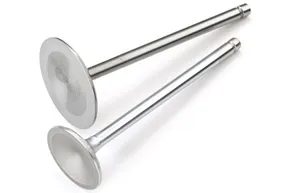
The engine valve looks like a mushroom with the cap turned upside down. It consists of a stem and a head. Accuracy is everything here. Valve train – which contains valves, springs, rocker arms and guides – works in an oil bath and moves thousands of times per minute. The wonder of modern technology is that this system rarely stumbles.
But if the valve is even slightly off-kilter, or opens and closes outside the specification by a fraction of a degree, problems are inevitable.
Why valves fail
Valve failure is rarely an isolated case. Often the cause is “upstream” in the condition of the engine. Here’s a breakdown of how these components break down and why:
- Material defects: Impurities in the metal can cause the valve to warp or break under load. Inferior production can also lead to factory defects.
- Oil problems: Dirty oil accelerates wear and reduces compression. Oil leaks or burning are an immediate warning sign.
- Spring Failure: Defective valve springs can cause valves to stick open. If the valve does not close, the piston will hit it, causing serious damage.
- Heat stress: Unusually high temperatures – often caused by over-revving or hard driving – can burn exhaust valves. This heat stress leads to breakage.
- Timing Errors: Timing belt breakage or incorrect timing will cause the valves to collide with the pistons, resulting in bending or breakage.
- Improper Modification: Modifying valves, guides, or seals without checking dimensions and angles can result in bending or breakage.
Maintenance: The best defense
Some of these failures are expensive because they damage more than just the valves. You can reduce the risk by taking two important measures:
- Timing Belt/Chain Maintenance: Check and replace the timing belt or chain according to the manufacturer’s schedule. This information can be found in the owner’s manual or model-specific repair instructions.
- Regular oil change: Keep the oil clean. Investigate unusual oil consumption or oil leaks immediately.
A question of life expectancy
There is no set life for the engine valves. In theory, any valve will wear out if used long enough. The reality depends on build quality, driving habits, general maintenance and how well other parts of the engine are looked after, such as the timing system.
For more information on engine valves and related topics, see the links on the next page.