


China is winning. Not just in some niche segment. They are outselling Japanese brands in Europe for the first time as of May. Locally, in key markets, Chinese imports have jumped to the top spot, leaving traditional Japanese makers in second place. The numbers don’t lie. The anxiety is real. And it’s driving Koji Sato to demand a radical shift.
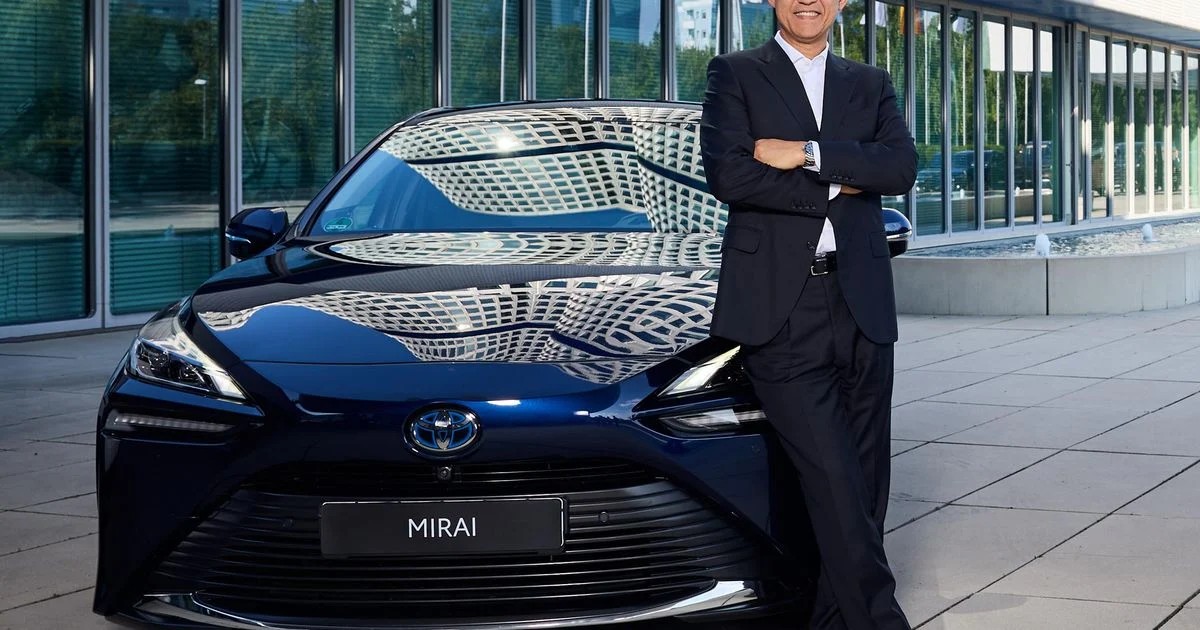
Sato isn’t just a former CEO anymore. As Toyota’s chief industry officer and head of the Japan Automobile Manufacturers Association (jama), he has a clear mandate. He wants standardization. He wants collaboration. He believes survival depends on it.
The Case for Shared Wiring Harnesses
Think about wiring harnesses. On paper, they seem minor. In reality, they are a logistical nightmare for Japanese suppliers. We are talking about roughly 70,000 different variants. Imagine trying to automate that. You can’t. It’s inefficient. It’s wasteful.
Sato argues that Japanese automakers are bleeding resources by keeping these parts bespoke. If everyone standardized essential components — harnesses, steel grades, resin specs — productivity could jump tenfold. Recycling would get easier. Efficiency would skyrocket.
It sounds obvious. Why haven’t we done this? Legacy habits. Silos. The fear that giving up control means losing market share. But the clock is ticking.
Standardization Takes Time (And Patience)
Don’t expect next month’s models to feature shared parts. Sato admits it will take a year or two just to nail down the specifications. Then there’s the rollout. You can’t just flip a switch. New vehicles take time to design, build, and launch. So even once standards are agreed upon, the benefit won’t be immediate.
It’s a slow burn. But a necessary one.
Beyond wiring, jama is eyeing six other areas for cooperation:
- Logistics networks
- Securing raw materials
- Circular recycling economies
- Talent recruitment strategies
- Infrastructure for autonomous driving
- Simplifying automobile taxes
The goal isn’t just to cut costs. It’s to free up capital. If you spend less on standardized hardware, you can spend more on the bleeding edge. Advanced driver assistance systems. Fast-charging batteries. New software interfaces. Drivetrain options that actually matter to buyers.
A Industry-Wide Shift
Sato isn’t shouting into the void. Nissan’s CEO, Ivan Espinosa, agrees. “We have a big opportunity,” he told Automotive News. “To start sharing critical commodities.”
Espinosa envisions a jama standard. Common specs. Certified suppliers. Everyone uses them. No need to reinvent the wheel — or the wire harness. It’s a pragmatic approach. If it works, everyone benefits. If it doesn’t, the damage is spread across the alliance.
This isn’t just talk. Toyota already plays nice with Subaru, Mazda, and Suzuki. Small stakes. Shared models. Shared tech. Nissan has stakes in Mitsubishi. Honda is reportedly close to a deal with Nissan on components and software. The old rivalry is thawing into something more like a mutual defense pact.
The Role of the Former Boss
Sato stepped down as Toyota CEO earlier this year. Kenta Kon took over. But Sato didn’t retire. He moved to a role designed to fix industry-wide fractures. His job? Connect Toyota to the broader ecosystem.
“Rather than saying Toyota is somehow special,” Sato noted, “it’s more that jama has always been led by the company best-suited to address the industry’s biggest challenges.”
He’s no longer the king of Toyota. He’s the kingmaker for the Japanese auto industry. His task is to ensure that the whole ecosystem doesn’t get left behind by Chinese manufacturers who are moving faster and cheaper.
The tariffs in the USA are currently protecting domestic makers. But they’re not a long-term strategy. Europe is open. Asia is open. The rest of the world is open. And China is knocking.
Standardization isn’t just about efficiency. It’s about staying relevant. It’s about surviving.
Is collaboration really possible for companies that spent decades competing tooth and nail? Maybe not entirely. But the threat from China is changing the calculus. The old way of doing things — siloed, bespoke, competitive at all costs — is showing its cracks.
The question isn’t whether Japanese automakers will collaborate. The question is how fast they can do it before the window closes. Sato thinks they have time. But the clock is still ticking.


