The small car market is crowded. But it’s also where the next generation of car buyers lives. Genesis knows this.
Right now, the brand’s footprint is defined by the GV60. It is a 4.5-meter long premium electric crossover. It looks good. It drives well. But it sits firmly in the middle of the pack. There is room below it. A lot of room.
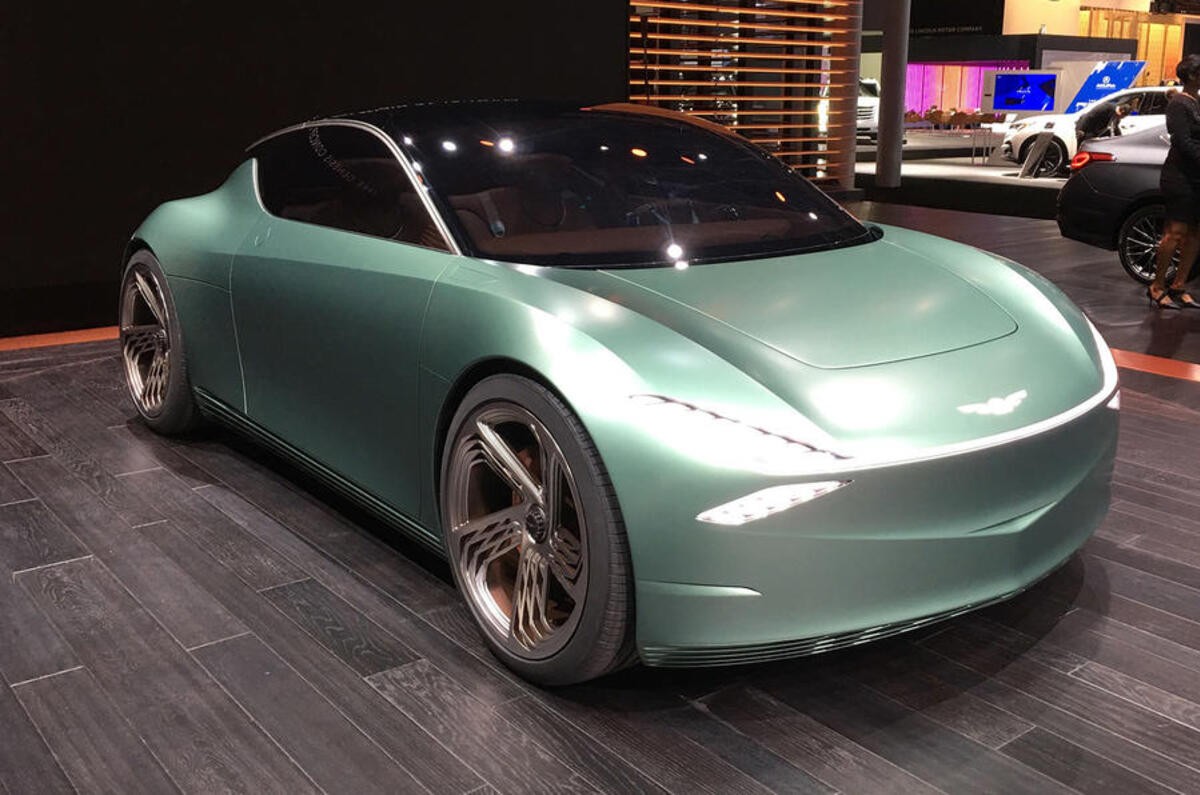
For years, observers asked if the Korean luxury marque would dip its toes into the compact segment. The 2019 Mint concept suggested they were thinking about it. The question isn’t if they will, but when.
Why a Small Premium EV Matters Now
Peter Kronschnabl, Genesis Europe’s managing director, isn’t shy about the strategy. He sees growth in places other premium brands might overlook. Or ignore.
“For a brand that is evolving, we look at fast-growing segments to nurture customers.”
This is the core logic. You don’t just build cars; you build a lifecycle. A customer starts somewhere. If Genesis isn’t there, they start elsewhere. And once they are with the brand, they tend to stay. That is the premium play.
But there is a catch. And it is a big one.
Hyundai is rolling out the Ioniq 3 soon. It is a mainstream electric vehicle. It will be popular. It will be affordable. Does this force Genesis to compete?
No. Kronschnabl says the brand is still evaluating options. There is nothing to confirm. They are looking, not jumping.
The Trap of White Space
It is tempting to enter a segment that has no competition. A “white space,” as industry types call it. Maybe a premium pickup truck. Maybe a tiny city car with no rivals.
Genesis rejects the allure of empty segments without substance.
“There are some niches… But is that a segment you should enter?”
The brand is playing a marathon, not a sprint. This mindset rejects short-term opportunities that look shiny but have no future. A niche with no long-term sustainability potential is a distraction. A waste of engineering resources.
The strategy is deliberate. Slow. Deliberately slow.
“We have to have the right products,” Kronschnabl insists. “Therefore the long term is more important than the middle term.”
This means ignoring the noise. It means waiting for the segment to prove itself. It means not chasing trends that fade in eighteen months.
The Genesis Long Game
So where does that leave the compact EV question?
Somewhere in limbo. A place of careful calculation.
Genesis needs volume. But it cannot sacrifice its premium positioning to get it. Entering the small car market requires a vehicle that feels exclusive. That drives differently. That costs more than the volume sellers.
If Hyundai brings the Ioniq 3 to market, Genesis will watch closely. They will analyze the data. They will wait for the market to mature.
Is it frustrating for buyers who want a smaller Genesis now?
Perhaps. But luxury is rarely about immediate gratification. It is about waiting for the right thing to be perfect.
The GV60 remains the smallest option today. But the horizon is shifting. The question is no longer whether Genesis will expand. It is whether they will expand in a way that matters in ten years