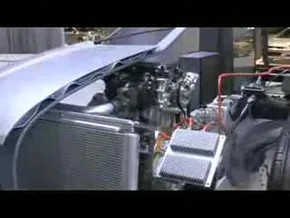
An engine burns fuel at high temperatures for a reason. It’s the sweet spot for efficiency and emissions. But that same combustion creates a surplus of heat that can destroy metal if left unchecked. The cooling system’s job is simple but critical: get the engine to operating temperature fast, hold it there, and dump the excess heat into the air.
Most modern cars rely on liquid cooling. You have the radiator, pressure cap, fan, pump, thermostat, hoses, and overflow tank. The pump circulates fluid through the engine block. The fluid soaks up heat. Then it hits the thermostat.
If the fluid is cold, the thermostat stays shut. The fluid gets rerouted back to the pump to keep warming up. Once the fluid hits its maximum temperature threshold, that valve opens. The hot fluid gets sent to the radiator. The radiator acts as a heat exchanger. It sheds that heat to the air before the fluid returns to the pump to start the cycle again.
Air vs. Liquid Cooling Systems
Not every car uses liquid. Some use air cooling. These setups surround the engine with aluminum fins. When the engine gets hot, fans blow air over those fins. The air conducts heat away from the cylinders. It’s a simpler design but less common now.
Liquid systems are the standard. Coolant flows through pipes inside the engine. It absorbs heat. If it overheats, it moves to the radiator to release that heat to the atmosphere.
The Cold Start Process
Heating up isn’t just about cooling down. It’s about reaching the right temperature quickly. When you start the car, the pump pushes fluid through the engine. If that fluid hasn’t reached minimum operating temperature, it doesn’t go to the radiator.
Instead, it passes through the heater core. This helps warm the cabin and speeds up the engine’s warm-up phase. Once the fluid is hot enough, the thermostat opens up. The system transitions from warm-up mode to full cooling mode.
When Things Go Wrong
Cooling system failure usually comes down to a few predictable issues. Low coolant is a big one. A clog or obstruction can stop flow entirely. Leaks are common in hoses or seals. And a malfunctioning thermostat can leave the engine running too cold or overheat it completely.
“When your coolant light comes on, your coolant is pretty much depleted.”
Driving with the coolant light on is a bad idea. You’re risking an overheated engine or blown gaskets. Pull over. Let the engine cool. Refill the reservoir. Then get to a garage to find out why you lost fluid in the first place. Don’t ignore the warning. An overheated engine is expensive to fix.