You can tell when your hatchback is stuffed with too many bags of mulch. The rear suspension compresses. The bumper dips. The front end lifts up like a defiant horse. It’s obvious. You’ve hit the limit.
It’s not so obvious with heavy haulers. Load a pickup with tile. It barely flinches. Load an RV. You might not notice a thing unless you check the gauges.
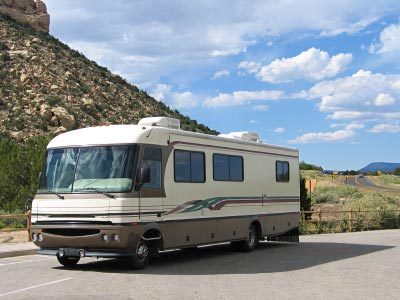
Recreational vehicles are beasts. They carry furniture, appliances, and people. But they have a hard limit. Cross it, and you risk safety and structural integrity. The metric you need is cargo carrying capacity.
Here is how to calculate it. And yes, it involves math.
The CCC Formula
Cargo carrying capacity isn’t a guess. It’s a manufacturer-defined maximum. You don’t want to exceed it.
The calculation is simple subtraction. Start with the vehicle’s Gross Vehicle Weight Rating (GVWR). Then subtract everything that isn’t “cargo” in the traditional sense.
Here is the breakdown using a hypothetical 20,000-pound class RV.
-
Start with GVWR
This is the maximum total weight the vehicle can safely handle.- Value: 20,000 pounds
-
Subtract Unloaded Vehicle Weight (UVW)
This is the weight of the RV as built by the factory. It includes a full tank of fuel, coolant, and oil. It does not include passengers or personal gear.- Value: 14,500 pounds
-
Subtract Sleeping Capacity Weight Rating (SCWR)
This accounts for the people. The standard is 154 pounds per sleeping position. This covers the passenger and their immediate luggage.- Calculation: 6 sleeping positions x 154 pounds
- Value: 924 pounds
-
Subtract Propane Fuel Weight
LP gas adds weight. It’s not negligible.- Weight: 4.2 pounds per gallon
- Tank size: 12 gallons
- Value: 50.4 pounds
-
Subtract Fresh Water Weight
Water is heavy. One gallon weighs about 8.3 pounds.- Tank size: 25 gallons
- Value: 207.5 pounds
-
The Result
Take the starting GVWR and subtract the UVW, SCWR, propane, and water.- 20,000 – 14,500 – 924 – 50.4 – 207.5
- Cargo Carrying Capacity (CCC): 4,318.1 pounds
That’s your budget for gear, bikes, kayaks, and extra supplies. Not a pound more.
Why This Matters
Most manufacturers publish these specs online. If you’re buying used, you need to dig. The sticker on the door often lists GVWR. UVW and SCWR are usually in the owner’s manual or on the manufacturer’s website.
Knowing your cargo carrying capacity prevents you from blowing a tire or snapping an axle. It keeps you legal on the highway.
Vehicle Cargo Data
If you aren’t hauling an RV, you still need to know your limits. The charts below show cargo volume for popular models. Note that for passenger cars, manufacturers often list volume in cubic feet rather than weight, as payload varies heavily by trim and options.
Acura Cargo Carrying Capacity
| Year | Model | Cargo Carrying Capacity (ft³) |
|---|---|---|
| 2006 | MDX | 81.5 |
| 2006 | RL | 13.1 |
| 2006 | RSX | 25.3 |
| 2006 | TL | 12.5 |
| 2006 | TSX | 13.2 |
| 2007 | MDX | 83.5 |
| 2007 | RL | 13.1 |
| 2007 | RDX | 60.6 |
| 2007 | TL | 12.5 |
| 2007 | TSX | 13.2 |
| 2008 | MDX | 83.5 |
| 2008 | RL | 13.1 |
| 2008 | RSX | 60.6 |
| 2008 | TL | 12.5 |
| 2008 | TSX | 13.2 |
| 2009 | MDX | 83.5 |
| 2009 | RL | 13.1 |
| 2009 | RSX | 60.6 |
| 2009 | TSX | 12.6 |
Related Acura Specs: GVWR, GAWR, GCWR, Curb Weight, Payload, Towing Capacity
Audi Cargo Carrying Capacity
| Year | Model | Cargo Carrying Capacity (ft³) |
|---|---|---|
| 2006 | A3 | 54.6 |
| 2006 | A4 | 13.4 |
| 2006 | A6 | 15.9 |
| 2006 | A8 | 14.6 |
| 2006 | S4 | 13.4 |
| 2006 | TT | 24.2 |
| 2007 | A3 | 54.6 |
| 2007 | A4 | 13.4 |
| 2007 | A6 | 15.9 |
| 2007 | A8 | 14.6 |
| 2007 | Q7 | 88.7 |
| 2007 | RS4 | 13.4 |
| 2007 | S4 | 13.4 |
| 2007 | S6 | 13.9 |
| 2007 | S8 | 14.6 |
| 2008 | A3 | 54.6 |
| 2008 | A4 | 10.2 |
| 2008 | A5 | 16.1 |
| 2008 | A6 | 15.9 |
| 2008 | A8 | 14.6 |
| 2008 | Q7 | 88.7 |
| 2008 | R8 | 3.5 |
| 2008 | RS4 | 13.4 |
| 2008 | S4 | 13.4 |
| 2008 | S5 | 16.1 |
| 2008 | S6 | 15.9 |
| 2008 | S8 | 14.6 |
| 2008 | TT | 8.8 |
| 2009 | A3 | 54.6 |
| 2009 | A4 | 10.2 |
| 2009 | A5 | 16.1 |
| 2009 | A8 | 14.6 |
| 2009 | Q7 | 88.7 |
| 2009 | R8 | 3.5 |
| 2009 | S4 | 10.2 |
| 2009 | S5 | 16.1 |
| 2009 | S8 | 14.6 |
| 2009 | TT | 8.8 |
Related Audi Specs: GVWR, GAWR, GCWR, Curb Weight, Payload, Towing Capacity
BMW Cargo Carrying Capacity
| Year | Model | Cargo Carrying Capacity (ft³) |
|---|---|---|
| 2006 | 325 | 12 |
| 2006 | 330 | 12 |
| 2006 | 525 | 14 |
| 2006 | 530 | 14 |
| 2006 | 550 | 14 |
| 2006 | 650 | 13 |
| 2006 | 750 | 18 |
| 2006 | 760 | 18 |
| 2006 | M3 | 9.5 |
General Motors Volume Leaders
If you need to haul a mountain of laundry or move a small apartment, GM’s minivans and SUVs are where the space lives. The Buick Terraza dominates the 2006 lineup with 136.5 cubic feet of cargo space. That is massive. The Rendezvous follows with 108.9 ft³. The Rainier is tighter at 80.1 ft³. When the Terraza dies, the Enclave takes the baton. It offers 116.2 ft³ in 2008 and settles at 115 ft³ in 2009. Sedans don’t compete here. The LaCrosse and Lucerne provide a meager 16 to 17 ft³. You are not putting a fridge in those trunks.
Chevrolet has the bigger guns in the full-size segment. The Express van is a beast. It offers 225.1 cubic feet of volume consistently from 2006 through 2009. That is serious utility. The Uplander minivan holds 120.1 ft³ across the board. The TrailBlazer EXT gives you 107.4 ft³ in 2006. Later, the TrailBlazer standard drops to 80.1 ft³. The 2009 Traverse enters the ring with 117.5 ft³. It bridges the gap between family haulers and utility vehicles.
Trucks tell a different story. Chevrolet lists dash marks for the Silverado 1500, 2500 HD, and 3500 HD. And for the Avalanche and Suburban models in the early years. This means standard cargo volume isn’t the primary metric for these body-on-frame platforms. You look at payload and towing specs for those. The HHR Panel wagon is a niche but solid choice at 62.7 ft³. The regular HHR is slightly less at 57.7 ft³. Small cars like the Aveo and Cobalt offer around 12.4 to 13.9 ft³. Not for moving day.
Cadillac Luxury and Large SUVs
Cadillac blends executive comfort with substantial haulage space in its larger models. The Escalade family is the volume king. The standard Escalade holds 104.6 ft³ in 2006, jumping to 108.9 ft³ in 2007 and staying there. The extended ESV version is the real mover. It starts at 131.6 ft³ in 2006 and expands to 137.4 ft³ by 2007. It holds that figure through 2009.
Sedans are tighter. The DTS provides 18.8 ft³. The STS and STS-V models are limited to 13.8 ft³. The CTS and CTS-V sit at 12.5 ft³ in 2006 and 2007, increasing to 13.6 ft³ in later years. Sports cars like the XLR and XLR-V are cramped with just 11.6 ft³. The SRX crossover offers a middle ground with 69.5 ft³ initially, though by 2009 it drops to 13.8 ft³. Wait. The 2009 SRX data lists 13.8 ft³. This is likely the trunk-only figure without seats folded, whereas the earlier 69.5 ft³ probably included folded rear seats. Check your specific model year specs carefully here. The Escalade Hybrid shares the 69.5 ft³ figure in 2009, which seems low unless it is also a rear-seat-folded metric or a specific load floor measurement.
Chrysler and Dodge Family Haulers
Chrysler and Dodge dominate the minivan segment with massive utility. The Town & Country starts at 146.7 ft³ in 2006. It shrinks slightly to 144 ft³ in 2007 and 143.8 ft³ in 2008 and 2009. The Grand Caravan is even bigger. It holds 167.9 ft³ in 2006 and 2007. By 2008 and 2009, it settles at 144.3 ft³. This fluctuation might reflect changes in measurement standards or interior trim packages.
Sedans are functional but not spacious. The 300 and 300C provide 15.6 ft³ initially, rising to 17.2 ft³ in 2008, then dropping back to 15.6 ft³ in 2009. The Sebring varies between 11.3 ft³ and 13.6 ft³. The PT Cruiser is a retro wagon with serious volume. It holds 92.2 ft³ in 2006 and 2008-2009. In 2007, it drops to 62.7 ft³. This discrepancy needs verification. The Pacifica minivan offers 62.7 ft³ in 2006, jumps to 92.2 ft³ in 2007, then drops to 62.7 ft³ in 2008. The Aspen SUV provides 102.4 ft³ across its run.
Dodge’s Sprinter vans are industrial strength. The Sprinter Van 2500 holds 247 ft³ in 2006. By 2007, it jumps to 318 ft³. It stays at 318 ft³ through 2009. The 3500 version starts at 247 ft³, then explodes to 371 ft³ in 2007 and remains there. These are mobile warehouses. The Sprinter Wagon is more passenger-oriented but still huge. It starts at 321 ft³ in 2006, drops to 141.3 ft³ in 2007-2009. The Grand Caravan follows Chrysler’s lead, offering 167.9 ft³ early on, then settling at 144.3 ft³. The Magnum wagon is a solid choice at 71.6 ft³. The Charger and Challenger sedans hold 16.2 ft³. The Caliber compact SUV offers 48 ft³. Trucks like the Ram 1500 and 2500 list 41 ft³ in the cab area. The Dakota and 2009 Ram 1500 show dashes, indicating variable or unlisted standard cargo volumes.
What These Numbers Miss
These figures represent maximum cargo volume. Usually with rear seats folded flat. They do not account for seatbelt hardware, uneven floors, or the intrusion of the spare tire well. A 2006 Buick Terraza with 136.5 ft³ of space might lose two cubic feet to structural elements. A 2009 Chevy Express with 225.1 ft³ is still a van. You can fit a pallet or two inside.
Trucks are the outlier. The dash marks for Silverado, Tahoe, and Suburban models suggest that cargo capacity is secondary to payload and towing. If you are buying a used truck for hauling, look at the GVWR and payload ratings instead of cubic feet. The bed size and cab configuration matter more than a static volume number.
SUVs like the Cadillac Escalade ESV are built for luggage and gear. The 137.4 ft³ figure is consistent. It works for ski trips or large furniture. Minivans like the Grand Caravan are designed for families. The high volume allows for car seats, strollers, and groceries in one trip.
Sedans are for groceries and weekend bags. The LaCrosse’s 16 ft³ fits two large suitcases and some small bags. The STS-V’s 13.8 ft³ is tighter. You are folding down rear seats or using the roof if you need more.
The Sprint
Ford’s Wide Range of Hauling Options
Ford’s lineup from 2006 to 2009 shows a clear split between utilitarian workhorses and personal transportation. The E-series vans dominated the cargo space charts. In 2006, the E 150, E 250, and E 350 Super Duty all offered 256.5 cubic feet of space. That number dropped to 230.6 cubic feet by 2008, but the volume remained consistent across the full-size van spectrum through 2009. If you were looking for something smaller but still capable, the Freestar minivan started at 134.3 cubic feet in 2006 and climbed to 137.2 by 2007. The Escape crossover hovered around 66.3 cubic feet for both standard and hybrid models, while the Explorer sat comfortably at 85.8 cubic feet.
Pickup truck owners had a different story. The F 150, F 250, and F 350 models listed as having no cargo carrying capacity data in the source material. The Ranger had 18.1 cubic feet in 2006 and 2008, but vanished from the 2007 list. Sedans and coupes were tight squeezes. The Crown Victoria held 20.6 cubic feet throughout the four years. The Fusion was notably small at 15.8 cubic feet. Sports cars like the GT offered just 1 cubic foot in 2006, while the Mustang managed 9.7 cubic feet consistently. The Mustang’s cousin, the Focus, saw its capacity drop from 40.2 cubic feet in 2006 to 13.8 cubic feet by 2009.
GMC’s Van and SUV Dominance
GMC relied heavily on its Savana vans and Yukon SUVs for maximum volume. The Savana 1500, 2500, and 3500 models all provided a massive 225.1 cubic feet from 2006 through 2009. There was no change in volume year-over-year for these commercial-grade vans. The Yukon started at 63.6 cubic feet in 2006, dipped to 60.3 cubic feet in 2007, and stayed there. The larger Yukon XL held 45.7 cubic feet in 2006, rising slightly to 45.8 cubic feet in 2007 and holding steady.
The compact crossover segment saw the arrival of the Acadia in 2007. It started with 19.7 cubic feet and expanded to 25.5 cubic feet by 2008, where it remained through 2009. The Envoy was a constant presence, offering 43.7 cubic feet across all years. The Canyon pickup trucks and Sierra series (1500, 2500, 3500) had no listed cargo capacity. The Yukon Hybrid entered the scene in 2008 with a modest 16.9 cubic feet, matching that figure in 2009. The Sierra Hybrid appeared in 2009 with no data.
Honda’s Practical Compromises
Honda’s strategy during this period focused on efficiency and space-saving designs. The Odyssey was the undisputed king of the fleet, consistently offering 147.4 cubic feet from 2006 through 2009. The Pilot provided 87.6 cubic feet in 2006 and 2007, dropping slightly to 87 cubic feet in 2008 and 2009. The Ridgeline truck offered 41.4 cubic feet throughout the entire period.
Compact cars varied wildly. The Civic had a huge 72 cubic feet in 2006, shrinking to 35.7 cubic feet in 2008, and dropping significantly to 11.5 cubic feet in 2009. The Fit emerged in 2007 with 41.9 cubic feet, growing to 57.3 cubic feet by 2009. The CR-V held steady at 10.4 cubic feet. The Accord hybrid remained small at 11.2 cubic feet, while the non-hybrid Accord saw its space fluctuate between 11.9 and 14 cubic feet. The Element was a boxy outlier, maintaining 74.6 cubic feet across all years it was listed. The S2000 sports car offered just 5 cubic feet.
Hummer’s Limited Utility
Hummer’s presence in this dataset is sparse. The H2 offered 30.7 cubic feet from 2006 through 2009. The H3 was slightly less voluminous at 29.5 cubic feet, also constant across all four years. The H3T truck appeared in 2009 with no data listed. There were no other models or years covered for the brand in this specific snapshot.
Hyundai’s Expanding Portfolio
Hyundai introduced several new models during this window. The Accent started with 12.4 cubic feet in 2006, jumping to 15.9 cubic feet in 2007 and staying there. The Elantra moved from 13 cubic feet to 14.2 cubic feet in 2007. The Santa Fe grew from 30.5 cubic feet to 34.2 cubic feet by 2007. The Tucson held steady at 22.7 cubic feet.
The Entourage minivan launched in 2007 with 32.2 cubic feet. The Veracruz appeared in 2007 and 2008 with no data. The Genesis sedan arrived in 2009 with 15.9 cubic feet. The Azera, Sonata, and Tiburon remained static, offering 16.6, 16.3, and 14.8 cubic feet respectively.
Infiniti’s Luxury Volume
Infiniti’s luxury crossovers and sedans offered varied space. The FX35 and FX45 both provided 64.5 cubic feet from 2006 to 2008. In 2009, these models were replaced by the FX35 and FX50, which both offered 62 cubic feet. The QX56 SUV was a volume powerhouse at 91.7 cubic feet across all years.
Sedans were tighter. The G35 held 7.8 cubic feet in 2006 and 2007, increasing to 13.5 cubic feet in 2008 before becoming the G37 with 7.4 cubic feet in 2008. The M35 and M45 sedans stayed constant at 14.9 cubic feet. The new EX35 crossover launched in 2008 with 18.6 cubic feet. The Q45 sedan from 2006 held 13.6 cubic feet.
Isuzu’s Niche Presence
Isuzu’s data is limited to the Ascender SUV and a few pickup models. The Ascender offered 80.1 cubic feet consistently from 2006 through 2008. The i-280, i-290, i-350, and i-370 pickup trucks all had no listed cargo capacity.
Jaguar’s Elegant Constraints
Jaguar’s luxury lineup prioritized style over sheer volume. The S-Type held 28.6 cubic feet from 2006 to 2008. The X-Type was smaller at 16 cubic feet across the same period. The XJ8 and XJR sedans offered 16.4 cubic feet.
The XK series saw changes. It started with 11.5 cubic feet in 2006 and 2007, then dropped to 7.1 cubic feet in 2007 (likely a reporting shift or model year nuance) before settling at 10.6 cubic feet in 2008 and 2009. The XK Coupe in 2009 also held 10.6 cubic feet. The XF sedan launched in
Jeep, Kia, and Land Rover Utility Specs
Jeep has always been about utility, but the numbers tell a specific story depending on the year. In 2006, the Jeep Liberty led the pack with 69 cubic feet of space. The Commander and Grand Cherokee were close behind at 68.7 and 67.4 respectively. If you were stuck with a Wrangler, you had less than half that capacity at 45.8 cubic feet.
The 2007 model year changed the landscape. The new Compass added 53.6 cubic feet, while the Patriot offered 62.7. The Liberty held its ground at 69, but by 2008, it dropped to 64.2. That year, the Wrangler Unlimited debuted as the clear winner for soft-tail cargo haulers, offering 86.8 cubic feet. The standard Wrangler sat at 61.2. These figures didn’t shift much in 2009.
Kia’s approach was different. Volume was their game. The 2006 Sedona was a massive 141.5 cubic feet. The Sorento and Sportage hovered around 66.4 to 66.6 cubic feet. Mid-size sedans like the Optima and Amanti were tiny, sitting at 14.8 and 15.5 cubic feet. The Rio 5 hatchback offered a surprising 49.6 cubic feet, while the regular Rio was under 12. By 2007, the Rondo entered the fray with 74.4 cubic feet. The Sedona lost some volume in 2007 and 2008, settling at 121.3. In 2009, the new Borrego brought 97.6 cubic feet to the table, replacing the older Spectra models which stayed small at 12.2 cubic feet.
Land Rover played a high-stakes game with space. The LR3 was a beast in 2006 and 2007, offering 90.3 cubic feet. The Range Rover Sport was consistent at 71 cubic feet. But 2008 was a mess of redesigns. The LR3 dropped to just 9.9 cubic feet. The Range Rover itself fell to 35.1. It wasn’t until 2009 that the LR3 returned to 90.3 cubic feet and the Range Rover climbed back to 74.2. The LR2 entered in 2009 with 58.9 cubic feet.
Lexus and Lincoln Luxury Volume
Luxury usually means smaller trunks. Lexus confirmed this. The Lexus SC 430 was tiny at 8.8 cubic feet across all years listed. The IS models sat at 13 cubic feet, though the IS-F added a bit more at 13.3 in 2008. The GS models were similarly tight, mostly stuck at 12.7 cubic feet.
Large sedans told a different story. The LS 430 offered 20.2 cubic feet, while the LS 460 dropped to 18 in later years. The real volume came from the SUVs. The Lexus RX 330 and RX 400h both offered 84.7 cubic feet. The RX 350 improved slightly to 85 cubic feet in 2009. The GX 470 held steady at 77.5. The LX 470 was massive at 90.4 cubic feet, while the newer LX 570 dropped to 15.5 in 2008 before jumping to 83.1 in 2009.
Lincoln prioritized size over efficiency. The Navigator was a rolling storage unit. In 2006, it offered 104.8 cubic feet. It dipped slightly to 103.5 in 2007 and 2008, then rose to 104.7 in 2009. The Mark LT pickup offered 47.9 cubic feet. The MKX settled at 69 cubic feet from 2007 to 2009. Sedans like the MKZ and MKS were small, offering 15.8 and 18.7 cubic feet respectively. The Town Car stayed consistent at 21.1 cubic feet.
Mazda and Mercedes Practicality
Mazda’s lineup was confusing in the mid-2000s. The B-series trucks had no cargo volume listed, likely due to bed configuration variances. The Mazda5 minivan was practical at 44.4 cubic feet. The Mazda6 sedan was surprisingly spacious at 58.7 cubic feet in 2006, though this dropped to 16.6 by 2009. The Mazda3 grew from 31.2 to 43.8 cubic feet. The CX-9 SUV was a hauler, offering 100.7 cubic feet across its early years. The MX-5 and RX-8 remained tiny, at 5.3 and 7.6 cubic feet.
Mercedes-Benz prioritized engineering over trunk space. The Mercedes-Benz SLK-Class was small, ranging from 9.6 to 9.8 cubic feet. The C-Class and E-Class hovered around 12 to 15.9 cubic feet. The S-Class was larger, starting at 15.4 and dropping to 16.3. The big haulers were the SUVs. The ML class sat at 72.4 cubic feet. The GL class offered 83.3 cubic feet. The R-Class was a van disguised as a car, offering a massive 85 cubic feet consistently. The G-Class offered 79.5 cubic feet.
Mercury was essentially Ford with a different badge. The Monterey minivan was huge at 134.3 cubic feet. The Mountaineer SUV offered 84.7 to 85.8 cubic feet. The Mariner crossover varied wildly. In 2006 and 2007, it was listed at 66.3 and 29.3 cubic feet (likely due to measurement standards or fold-flat variations), before returning to 66.3 in 2008 and 2009. The Grand Marquis sedan offered a practical 20.6 cubic feet. The Milan was small at 15.8.
The data shows a clear divide. SUVs dominated volume. Sedans were an afterthought. The late 2000s saw a shift toward crossovers, replacing the bulky wagons and mini-trucks of earlier years. The numbers don’t lie. If you needed space, you bought a minivan or a large SUV. If you bought a sports car, you bought a shoebox.
What happens to these figures when you factor in roof racks? That’s a whole other calculation.
MINI Cargo Carrying Capacity
The Cooper lineup kept things tight. If you were shopping for a 2006 Mini Cooper Hardtop, you had exactly 25 cubic feet of space. The Convertible version was slightly tighter at 21.4 cubic feet. By 2007, the Hardtop dipped to 24 cubic feet, while the Convertible held steady at 21.4.
The Clubman arrived in 2008 with a significant jump. You got 32.8 cubic feet in the Cooper Clubman. The Convertible and Hardtop remained unchanged at 21.4 and 24 cubic feet respectively. John Cooper Works models landed in 2009 with the same figures: 24 cubic feet for the Hardtop and 32.8 for the Clubman.
More MINI Specs:
– MINI GVWR
– MINI GAWR
– MINI GCWR
– MINI Curb Weight
– MINI Payload
– MINI Towing Capacity
Mitsubishi Cargo Carrying Capacity
Mitsubishi offered a wide spread. The Eclipse was a consistent 15.7 cubic feet across 2006, 2007, 2008, and 2009. The Galant stayed at 13.3 cubic feet for those same years.
The larger SUVs were where the numbers got interesting. The 2006 Endeavor gave you 76.4 cubic feet. By 2007 and 2008, that figure dropped to 40.7 cubic feet. The Outlander fluctuated wildly: 60.3 in 2006, down to 36.2 in 2007, then up to 72.6 in 2008. The Raider showed up in 2006 with 37.1 cubic feet, then vanished from the specs by 2007.
Lancer capacity started at 11.3 in 2006, then ticked up to 11.6 in 2008 and 2009. The Montero held strong at 91.7 cubic feet in 2006.
More Mitsubishi Specs:
– Mitsubishi GVWR
– Mitsubishi GAWR
– Mitsubishi GCWR
– Mitsubishi Curb Weight
– Mitsubishi Payload
– Mitsubishi Towing Capacity
Nissan Cargo Carrying Capacity
Nissan’s range was vast. The 350Z was consistently small at 4.1 cubic feet. The Altima saw a major shift. It started at 15.6 cubic feet in 2006, dropped to 15.3 in 2007, then fell sharply to 7.4 cubic feet in 2008 and 2009. The Altima Hybrid stayed steady at 10.1 cubic feet from 2007 through 2009.
The Armada was a beast, holding 97.1 cubic feet every year listed. The Quest was massive. In 2006 it was 148.7 cubic feet, dropped slightly to 145.7 in 2007, then back up to 148.1 in 2008 and 2009.
The Frontier and Titan had no listed capacity in 2006 and 2007. The Titan returned in 2008 with a huge 126 cubic feet, but disappeared in 2009. The Rogue started at 98 cubic feet in 2008, then shrank drastically to 28.9 in 2009. The Sentra saw similar volatility: 11.6 in 2006, 13.1 in 2007, then a strange jump to 97 in 2008 before settling at 50.4 for the Versa in later years. The Maxima held around 15.5 until 2009, where it dropped to 14.2. The Murano went from 81.6 down to 64 in 2009. The Pathfinder stayed constant at 79.2. The Xterra was steady at 65.7. The GT-R added 8.8 cubic feet in 2009.
More Nissan Specs:
– Nissan GAWR
– Nissan GCWR
– Nissan Cargo Carrying Capacity
– Nissan Curb Weight
– Nissan Payload
– Nissan Towing Capacity
Pontiac Cargo Carrying Capacity
Pontiac had a short life in these years. The G6 started at 11 cubic feet in 2006, then increased to 14 in 2007, 2008, and 2009. The GTO was tiny at 7 cubic feet in 2006. The Grand Prix saw a huge drop from 57 in 2006 to just 16 in 2007, then settled at 45.7 in 2008.
The Montana SV6 was a utility player with 136.5 cubic feet in 2006. The Torrent was inconsistent: 68.6 in 2006, down to 32.2 in 2007, then back up to 68.6 in 2008 and 2009. The Vibe stayed at 54.1 for years, dropping to 49.4 in 2009.
The Solstice started small at 3.8 in 2006, grew to 7.5 in 2007, then shrank to 5.4 in 2008 and 2009. The G5 started at 13.9 in 2007 and stayed there. The G8 appeared in 2008 and 2009 with 17.5 cubic feet.
More Pontiac Specs:
– Pontiac GAWR
– Pontiac GCWR
– Pontiac Cargo Carrying Capacity
– Pontiac Curb Weight
– Pontiac Payload
– Pontiac Towing Capacity
Porsche Cargo Carrying Capacity
Porsche didn’t give you much space. The 911 had no listed capacity in 2008, but the 2009 911 Carrera offered 7.24 cubic feet. The Boxster was consistent at 9.9 cubic feet in 2008 and 2009. The Cayman held steady at 14.5 cubic feet. The Cayenne was the large option at 62.5 cubic feet in 2006, 2008, and 2009.
More Porsche Specs:
– Porsche GAWR
– Porsche GCWR
– Porsche Cargo Carrying Capacity
– Porsche Curb Weight
– Porsche Payload
– Porsche Towing Capacity
Saab Cargo Carrying Capacity
Saab’s lineup was small but specific. The 9-3 started at 14.8 cubic feet in 2006, then 15 in 2007 and 2008, before dropping to 12.4 in 2009. The 9-5 was steady at 15.9 cubic feet across all years. The 9-7X held a massive 80.1 cubic feet every year from 2006 to 2009. The 9-2X offered 61.6 cubic feet in 2006.
More Saab Specs:
– Saab GAWR
– Saab GCWR
– Saab Cargo Carrying Capacity
– Saab Curb Weight
– Saab Payload
– Saab Towing Capacity
Saturn Cargo Carrying Capacity
Saturn had some odd outliers. The Ion started at 14.2 in 2006, then 14.7 in 2007. The Sky was tiny at 5.4 cubic feet from 2007 through 2009. The Outlook was huge at 115.9 cubic feet in 2007, 2008, and 2009. The Relay started at 26.9 in 2006, then jumped to 136.5 in 2007.
The Aura hovered around 14.9 to 13.1 cubic feet. The VUE and VUE Hybrid started at 30.8 and 63.8 respectively in 2006-2007, dropped to 56.4 in 2008, then shrank drastically to 29.2 in 2009. The Astra appeared in 2008 with 44.8 cubic feet, then disappeared in 2009.
More Saturn Specs:
– Saturn GAWR
– Saturn GCWR
– Saturn Cargo Carrying Capacity
– Saturn Curb Weight
– Saturn Payload
– Saturn Towing Capacity
Scion Cargo Carrying Capacity
Scion focused on small spaces. The tC stayed at 12.8 cubic feet
The numbers don’t lie. If you are hunting for a used hauler from the mid-2000s, cargo volume is often the tie-breaker between a sensible choice and a logistical nightmare. We are looking at cubic feet here. Not gallons. Not liters. Cubic feet. This is the space you have to move furniture, gear, or just a mountain of laundry without folding it into a origami swan.
Let’s cut to the chase. The Toyota Cargo Carrying Capacity stats for 2006 through 2009 show a brand that prioritizes utility in its SUVs while keeping sedans tight.
Toyota’s Utility Leaders
The Sienna was the undisputed king of this era. From 2006 to 2009, it held steady at 148.9 cubic feet. That is massive. You could fit a king-sized bed in there if you really tried. The Sequoia followed, sitting around 128.1 cubic feet in 2006 and 2007, before dropping slightly to 120.8 in 2008 and 2009. Why the drop? Probably internal packaging changes or a shift in how the measurement is taken with the third row up or down. It still moved a lot of stuff.
SUVs like the 4Runner were consistent workhorses. They offered 75.1 cubic feet across the board. The Highlander saw some serious growth. It started at 39.7 in 2006, jumped to 80.6 in 2007, and then expanded again to 95.4 in 2008. The hybrid version didn’t get as much room, hovering around 80 to 94 cubic feet. It makes sense. Batteries take up space. You can’t have it all.
Then there is the Matrix. A compact wagon with a versatile interior. It held 53.2 cubic feet for most years, then jumped to 61.5 in 2009. That is a significant leap for a small car.
Sedans were not the focus. The Camry hovered around 15 to 16.7 cubic feet. The Avalon fluctuated wildly. In 2006 it was a tight 14.4, but in 2007 it nearly tripled to 41.4 before settling back down in 2008 and 2009. Did they change the trunk design? Or was the 2007 figure an outlier? Likely a design refresh that opened up the trunk space.
“The Sienna offered 148.9 cubic feet of space, making it one of the most practical family haulers of the late 2000s.”
Pickup trucks like the Tacoma and Tundra show up as “-” in these specific datasets. Why? Because truck bed capacity isn’t measured in the same standard cubic foot volume as a sealed trunk or cabin space. It depends on cab style, bed length, and whether you are measuring the space between the wheel wells or the total box volume. The data here focuses on enclosed or semi-enclosed passenger space.
Volkswagen’s Haulers
Volkswagen took a different approach. They leaned hard into wagons and hatchbacks.
The Jetta Sport Wagon in 2009 offered 66.9 cubic feet. That is serious space for a compact car. The Passat Wagon held steady at 61.8 cubic feet from 2007 to 2009. The Rabbit (the old Polo nameplate) was consistent at 46 cubic feet.
Coupes and convertibles were not for hauling. The Beetle Convertible had a mere 5 cubic feet. You could fit a helmet and a scarf. The Beetle Coupe was better at 27.1, but still not moving a piano.
The GTI was a performance car with a decent trunk. It held 41.8 cubic feet in 2006, then jumped to 46 in 2007, 2008, and 2009. The new GTI design clearly opened up the rear space without sacrificing the hatchback utility.
The Touareg was the SUV choice. It held 71 cubic feet consistently. It was a large vehicle, so the space made sense. The Routan, appearing in 2009, was a minivan replacement for VW in the US market. It offered 141 cubic feet. That puts it right in line with the Toyota Sienna for pure volume.
The Tiguan debuted in 2009 with 56.1 cubic feet. A compact SUV entering the market needed that space to compete.
Volvo’s Practical Swedes
Volvo didn’t mess around with flashy designs. They built boxes that held stuff.
The V70 and XC70 were the big movers. In 2006, they offered 71.4 cubic feet. By 2008 and 2009, that number crept up to 72.1 and 72 respectively. Small gains, but every cubic foot counts when you are loading hunting gear or baby strollers.
The XC90 was the flagship SUV. It started at 84.9 in 2