Fiat is making a loud, clear statement with the Grande Panda. The goal isn’t just to sell cars. It’s to prove you can build something accessible, modern, and eco-friendly without sacrificing soul. This vehicle sits right at the intersection of Italian heritage and future-facing tech.
Thibault Caudron breaks it down in a recent episode of Futura INNOVATION. He gives you the keys to understanding why this shift matters now.
A Retro Look with Modern Footprint
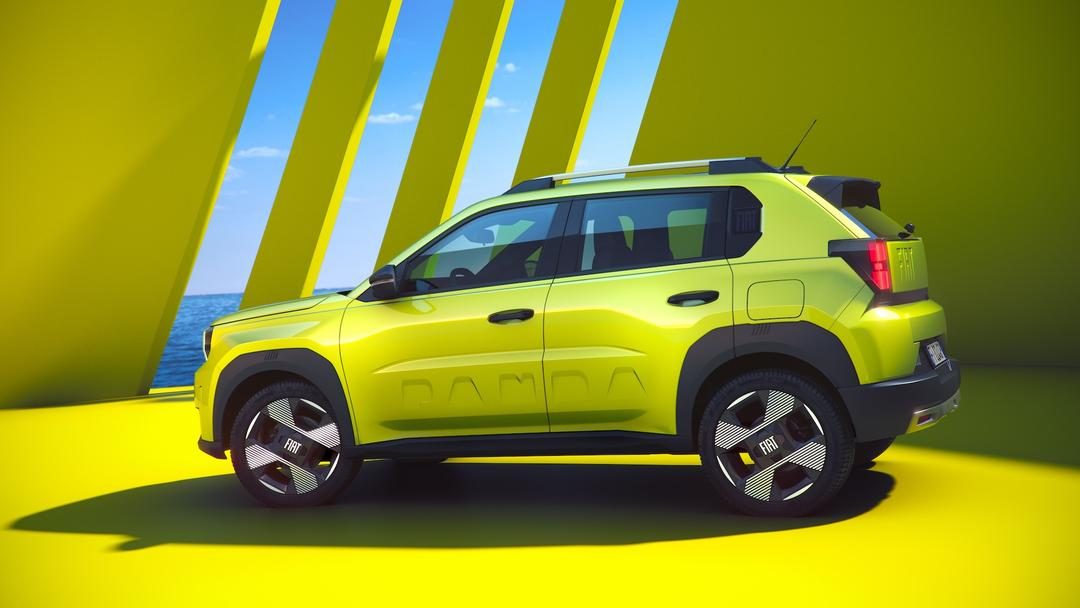
Step outside and look at the silhouette. It’s not a clone of the original 1980s Panda. It’s an evolution.
The Grande Panda blends the original’s line with sharp innovation.
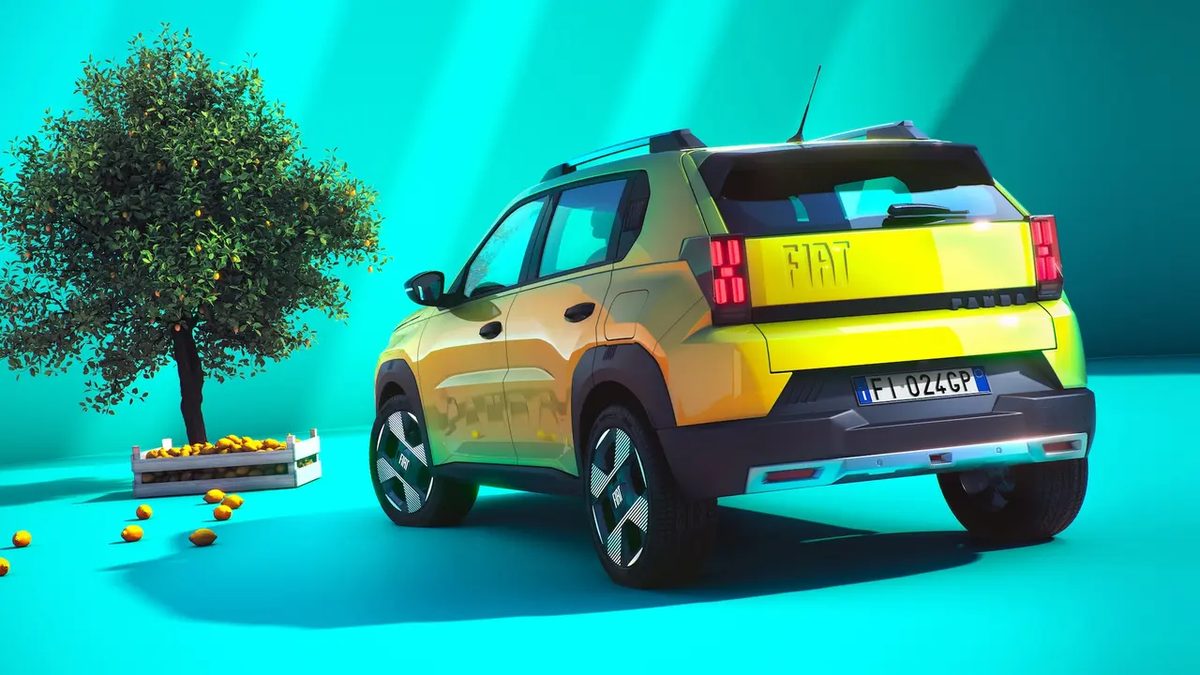
You see the nods to the past in small, deliberate details. Take the rear logo. It’s shifted off-center on the tailgate. That’s a direct reference to the very first version. It’s a wink to anyone who remembers when these cars were pure utility.
But the exterior is about efficiency. The industry average for this segment sits around 4.06 meters. The Grande Panda refuses to bloat. It clocks in at just under 3.99 meters.
This puts it in direct comparison with the new Renault 5 Electric and the Alpine A290. They share that same compact footprint. Meanwhile, rivals like the Lancia Ypsilon and Peugeot e-208 stretch past the 4-meter mark. Fiat is betting that shorter is smarter for urban weaving. It leaves room for a cabin that doesn’t feel cramped.
Built on STLA Smart Architecture
The magic happens underneath.
The Grande Panda rides on Stellantis’ STLA Smart Car platform. This isn’t a single-purpose chassis. It’s designed for multi-energy flexibility. You get the same metal skeleton whether you want combustion, hybrid, or full electric power.
This platform is the foundation for a new lineage. Fiat plans to launch a new model every single year until 2027. The Grande Panda is just the beginning.
Why does this matter? It speeds up development. It reduces costs. It allows Fiat to iterate faster than legacy competitors stuck on older architectures.
The interior space is optimized for city commutes. But it’s not just for gridlocked boulevards. The packaging allows for nature getaways without needing a roof rack full of gear. It’s compact on the street. Capable when the pavement ends.
Is it enough to win back heartland loyalty? The platform suggests yes. The design suggests confidence. The execution remains to be seen.
The Return of the Vertical Grille
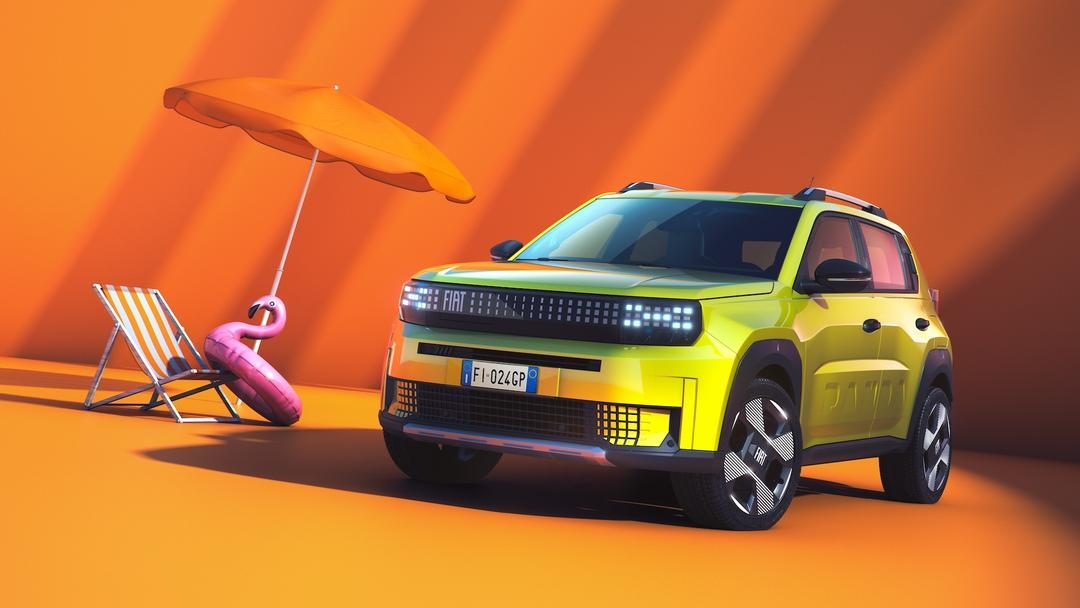
It started with the first ever Panda. You know the one. It had that distinct vertical grille slotted right into the front fascia. The new Grande Panda isn’t trying to hide that heritage. It’s bringing that signature vertical slat design back to the forefront. It’s not just a homage. It’s an identity marker.
Interior Modularity and Material Quality
Step inside and the priority shifts. It’s about comfort first. But it has to remain versatile. You’re looking at durable materials here. Nothing that feels cheap or disposable. The goal is an atmosphere that welcomes you. Think of it as a cozy pocket in a chaotic city.
The seats are modular. That’s the key word. They need to adapt to daily family life. Folding flat. Sliding around. Taking up less space when you don’t need it. Fiat is offering customization options too. You can tweak the interior to match your vibe. Make it yours.
Will the Electric Grande Panda Break the €25k Barrier?
This is where things get interesting. Fiat isn’t playing safe. They are loading the Grande Panda with recent tech innovations. Safety systems. Driving aids. The whole suite. The objective is clear. Create a driving experience that is both secure and genuinely fun.
The big question hanging over the launch is the price. The ambition is to slot this electric city car into the under €25,000 bracket. That’s a tight squeeze. Most electric vehicles struggle to hit that mark without sacrificing range or performance.
Fiat wants the Grande Panda to compete in the sub-€25,000 EV segment without cutting corners on autonomy or power.
Can they actually deliver on that promise? The specs suggest they’re aiming for serious range. And respectable performance figures. Not just commuter-speed toys. Real daily drivers. If they nail the pricing, they aren’t just joining the club of affordable EVs. They’re changing the entry fee.
Why This Price Point Matters
Getting an EV under €25,000 in Europe is notoriously difficult. Supply chains. Battery costs. Inflation. Fiat is betting that volume and simplified packaging will make it happen.
It’s not just about having batteries. It’s about having the right batteries for the price. And integrating the tech efficiently so you aren’t paying for features you don’t use. The Grande Panda needs to hit that sweet spot. Affordable enough for the masses. Tech-heavy enough to justify the electric switch.
If the autonomy matches the headline specs, this could be the volume driver Fiat needs. The electric Grande Panda isn’t just a nostalgic throwback. It’s a calculated move into the mass-market EV space. A space that’s crowded. But rarely offers this much versatility for under €25k.
We’ll see if the final numbers match the ambition. But the direction is set.
The Powertrain Puzzle
The silhouette harkens back to the first generation, sure. But take a closer look. There are two extra doors here. A different beast entirely.
Under the hood? Or under the floorpan? We don’t know yet. The “multi-energy” platform hint is all we have. It screams electric. Probably hybrid too. Likely a trickle-down from the Stellantis catalog. A cheap entry model. A loss leader if you will.
For the EV version, the specs are leaning toward the new Citroen ë-C3. Same battery pack. Same range.
More than 300 kilometers of autonomy.
That number matters. It keeps the price down. It also keeps the new Panda from cannibalizing the more expensive 600e. Smart move by Fiat. Don’t shoot yourself in the foot before the launch.