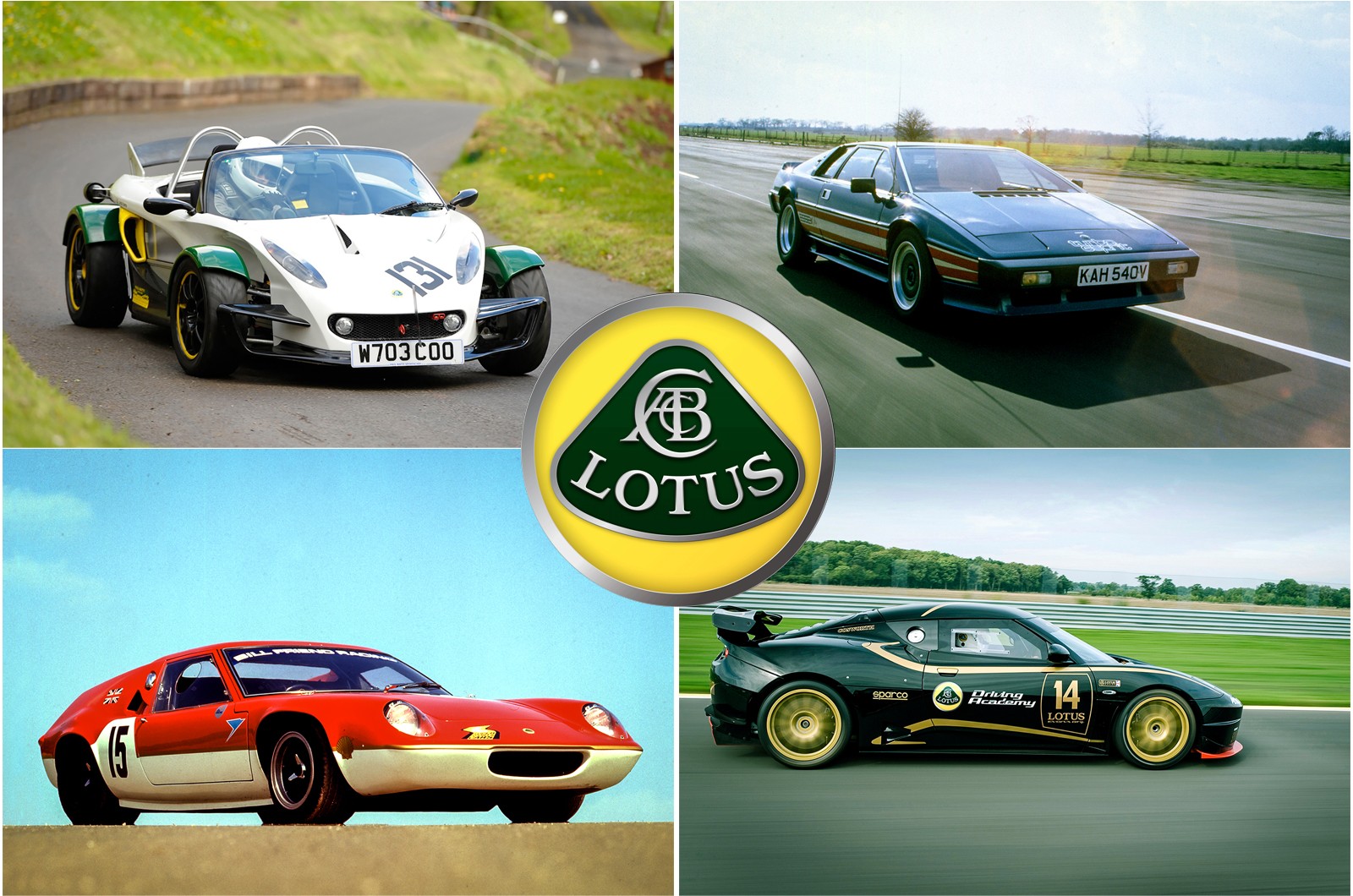
Lotus didn’t just build cars since 1952, it built personalities. Sharp. Light. Sometimes annoyingly fragile. Colin Chapman knew the game, lightness equals performance. Most buyers just wanted a weekend toy, but the British firm gave them a lifestyle. Here is a look at what actually sold. The big sellers, the rare ones, and the reasons behind the numbers.
10. Lotus Seven (1957–73): 2,478 sold
Simple two-seater. No roof. Just you, the road, and a frame that could take a beating. Chapman designed it to be a track weapon on Saturdays, a daily driver on Tuesdays. Smart. You could even buy it in a box, assemble it yourself, dodge some taxes if you felt lucky or brave. Pure analog joy.
9. Lotus Esprit (1978–90): 2,918 sold
- A parking lot trick. Lotus rolled the new Esprit right out in front of Albert R. “Cubby” Broccoli’s London offices. James Bond happened. The Spy Who Loved Me handed them free publicity on a silver platter. The wedge shape from Ital Design turned heads. Handling stayed sharp. The missile launcher? Just a movie prop, not a customer option, which was probably for the best.
8. Lotus Exige 2S (2006–2011): 3,307 sold
Born on the race track, kept on it. This thing packed a supercharged Toyota V6 under the nose. Sharper than a fresh razor. Track-day crowds loved it, mostly because the Elise felt soft in comparison by then. Many owners slammed on aftermarket upgrades, pushing the poor little car beyond its comfort zone on closed circuits. It worked. Usually.
7. Lotus Elise Series 2 (2000–2006): 4,547 sold
The first Elise did the heavy lifting to keep the company alive, but the second one had actual cash behind it. General Motors stepped in with dollars. Those bucks funded a nicer interior, a refined dashboard, and that 1.8-liter K-series engine that started ticking sooner rather than later. GM also spun off the Vauxhall VX-220, Opel Speedster in Europe. Same DNA. The M250 concept showed how mean Lotus could get.
6. Lotus Elan / Elan S2 (1.8-1995): 4,794 sold
The outlier. A front-wheel drive Lotus? Blasphemy, almost. The M100 project relied on that same GM bailout. An Isuzu engine sat under the hood, reliable but dull, available with a turbo if you wanted a jump in attitude. It couldn’t turn a profit, so Lotus tossed it. Kia picked it up, badged it the Kappa, and kept selling it for a few years. It works.
5. Lotus Elan Plus 2 (1.97-1.074): 5,245 sold
Add two seats to a sports car and you add weight. The Elan +2 tried to balance it out with a twin-cam engine. It wasn’t much faster than the original, but at least it fit four humans, tightly. Rear view? Nonexistent. But it marked a shift. No more kits sold from the factory, a move toward better build quality that most buyers appreciated, even if it meant paying more.
4. Lotus Elise S1 (1996–2001): 9,601 sold
This saved the brand. Plain and simple. Getting in looked like a gymnastics routine. The door sill cleared your hips by inches, and the hood went up with the grace of a tangled fishing line in a storm. But then you turned a corner. The steering. The grip. You forgave everything. Why would anyone complain? You bought into the feeling.
3. Lotus Elise 111R (113–12): 12,056 sold
Not the first with a Japanese power plant, but the first to win. Toyota power. 188hp, smooth, compliant with American emission standards, a problem that killed US sales of the older GM-engined Elises for years. Six gears replaced the five, filling the gaps in the rev range. For the first time, American drivers didn’t have to cross a border to buy a proper Lotus Elise.