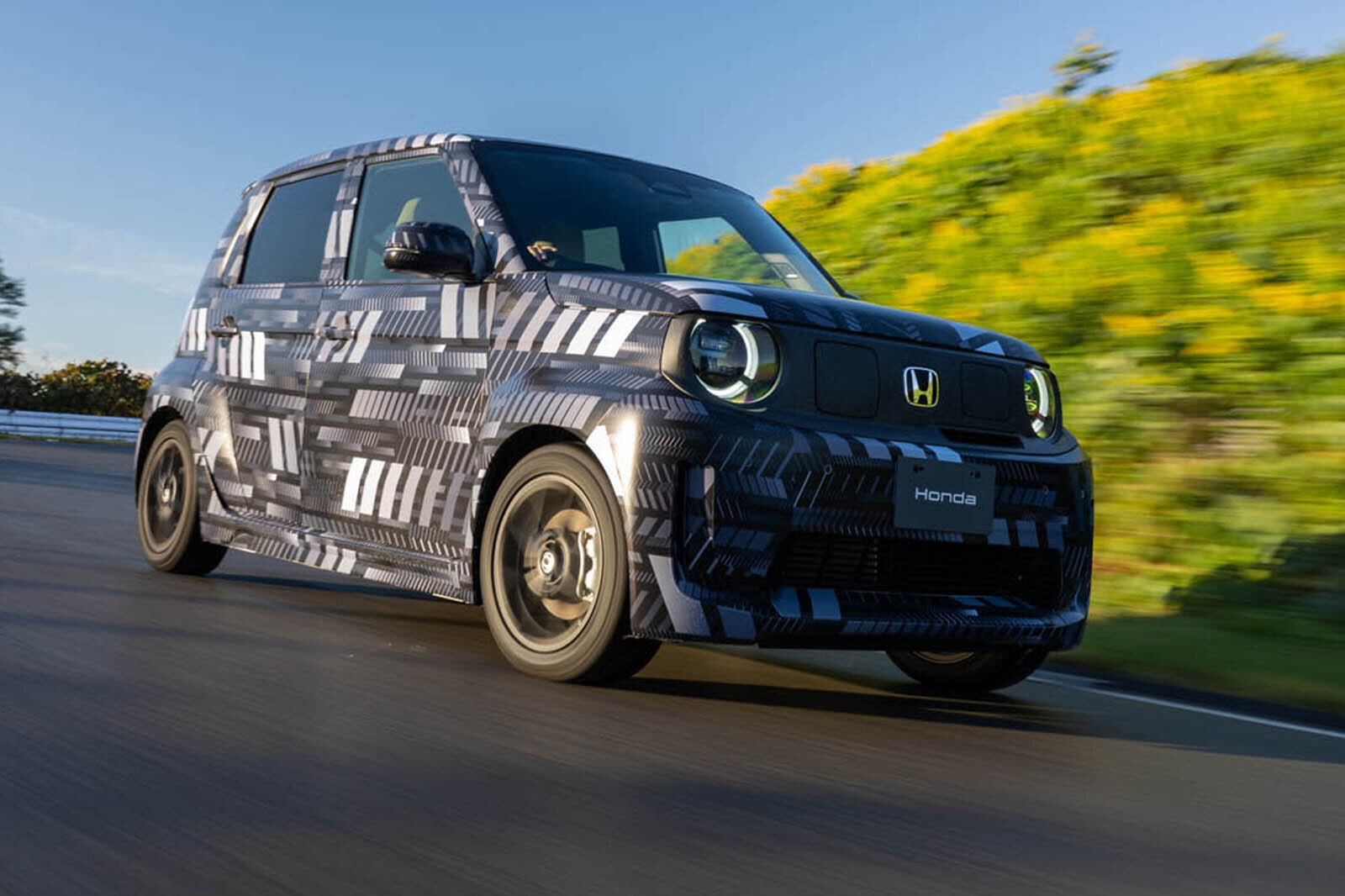
Honda is poised to introduce a new electric vehicle, the Super-N, to the UK market, targeting a broader customer base than its previous electric offering, the Honda E. While the E was a premium, technology-focused flagship, the Super-N is designed to be a more accessible and commercially vital addition to Honda’s EV lineup, appealing to both young city drivers and existing Honda owners seeking a practical, smaller vehicle.
A Strategic Shift in Honda’s EV Strategy
The Super-N represents a significant change in Honda’s approach to electric vehicles. The earlier E model was a “halo product,” intended to showcase Honda’s technological prowess but positioned at a relatively high price point (around £37,000) with a limited range, which raised eyebrows. The Super-N aims to address these shortcomings by offering a more compelling value proposition and broader appeal. Honda acknowledges the importance of an accessible price point to drive EV sales and attract a wider audience.
Design and Affordability
Visually, the Super-N is largely based on Honda’s N-One E kei car, with only subtle enhancements like flared wings, wider tracks, sporty alloy wheels, and slightly more aggressive bumpers distinguishing it. Although the model is positioned above the entry-level Dacia Spring and Leapmotor T03 in terms of specifications, it is expected to compete with vehicles like the Renault Twingo and Volkswagen ID.1. Honda has not released official pricing information yet, but a starting price of just under £20,000 seems probable.
Performance and Features
While technical specifics are still emerging, Honda confirms the Super-N retains the foundational “package” of the N-One E, including a 29.6 kWh battery offering a range of slightly less than 183 miles and supporting 50 kW charging. However, the Super-N boasts a more performance-focused setup.
The interior prioritizes functionality over flashy design, eschewing the elaborate features of the Honda E. The car offers:
- A 9-inch central touchscreen
- A 7-inch digital gauge cluster with a simulated rev counter
- USB-C charging ports
- A heated steering wheel
- Adaptive cruise control
- Electric windows in both rows
- “Magic” rear seats that flip and fold for added cargo space
- Durable, hard-wearing materials
Engaging Driving Experience
Initial testing reveals a noticeable effort to create an engaging driving experience. While standard mode delivers spirited acceleration typical of EVs, the real excitement comes from Boost mode, which significantly sharpens throttle responses and unleashes the full potential of the front motor. Preliminary testing indicates the car might offer performance comparable to the Fiat 500e and Mini Cooper E.
The simulated seven-speed gearbox is an impressive detail, mimicking torque variations based on the selected “ratio” and including a simulated kickdown feature and even a fake fuel cutoff system in manual mode. Honda also engineered a convincing engine sound, likened to a Civic Type R’s turbocharged four-pot, audible only from inside the car.
Handling and Chassis
Despite its kei car proportions, the Super-N benefits from a low center of gravity thanks to the battery pack located under the floor. A wider track and wheels positioned at the corners of the body contribute to a predictable and cheeky-feeling handling package. While steering feedback could be improved, it is quick and responsive, and the chassis has been tightened to control body roll.
Although front-wheel drive, the car did exhibit a little torque steer under hard acceleration during testing. Honda engineers have stated that the car has been extensively tested on UK roads, but have not confirmed whether there will be any bespoke tuning for the UK market.
The Honda Super-N represents a strategic and promising addition to Honda’s electric vehicle lineup, balancing affordability, functionality, and a surprising degree of driving enjoyment to appeal to a broad range of drivers in the UK.