The iconic Land Rover Freelander is making a surprising comeback, but this time, it won’t wear the familiar badge. Instead, a new, fully electrified Freelander brand is emerging from a joint venture between Jaguar Land Rover (JLR) and Chery in China. The vehicle will debut on March 31st, marking a significant shift in ownership and branding.
A Ghost From the Past, Reimagined
The original Freelander first appeared in 1997, quickly becoming a popular choice before being discontinued in 2015 with the rise of the Discovery Sport. Its revival now comes not from its parent company but from a Chinese partnership, demonstrating how automotive brands can be resurrected – and re-purposed – in today’s global market.
Design Cues From Land Rover’s DNA
Initial teasers reveal a design language heavily influenced by the Land Rover Defender. The new Freelander will feature distinctive rectangular headlights with pixel-style LED graphics, an upright front, and rugged fender extensions. While the overall aesthetic clearly nods to its Land Rover origins, it’s being developed independently. The design team at JLR’s UK studio oversaw the look, ensuring a degree of brand continuity despite the change in ownership.
Size and Powertrain Details
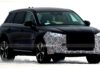
Spy shots confirm the Freelander will be a sizable SUV, exceeding 5.1 meters (200.8 inches) in length, positioning it as a large family vehicle. The underpinnings will be built on Chery’s modular platform, which supports both fully electric and range-extender powertrains, as well as fast-charging capabilities. This suggests a future-focused approach to the Freelander, aligning with growing demand for electrified vehicles.
A New Production Hub
Production will take place at CJLR’s plant in Changshu, China. The facility is undergoing a ¥3 billion ($436 million) upgrade to transition away from older models like the Land Rover Discovery Sport and Range Rover Evoque, paving the way for the new Freelander lineup. This investment signals a long-term commitment to the revived brand.
The Freelander’s rebirth in China underscores a broader trend: brands can be uncoupled from their origins and reborn under new ownership, particularly in fast-growing automotive markets. This situation raises questions about brand loyalty, intellectual property, and the future of legacy automakers in a rapidly evolving industry.