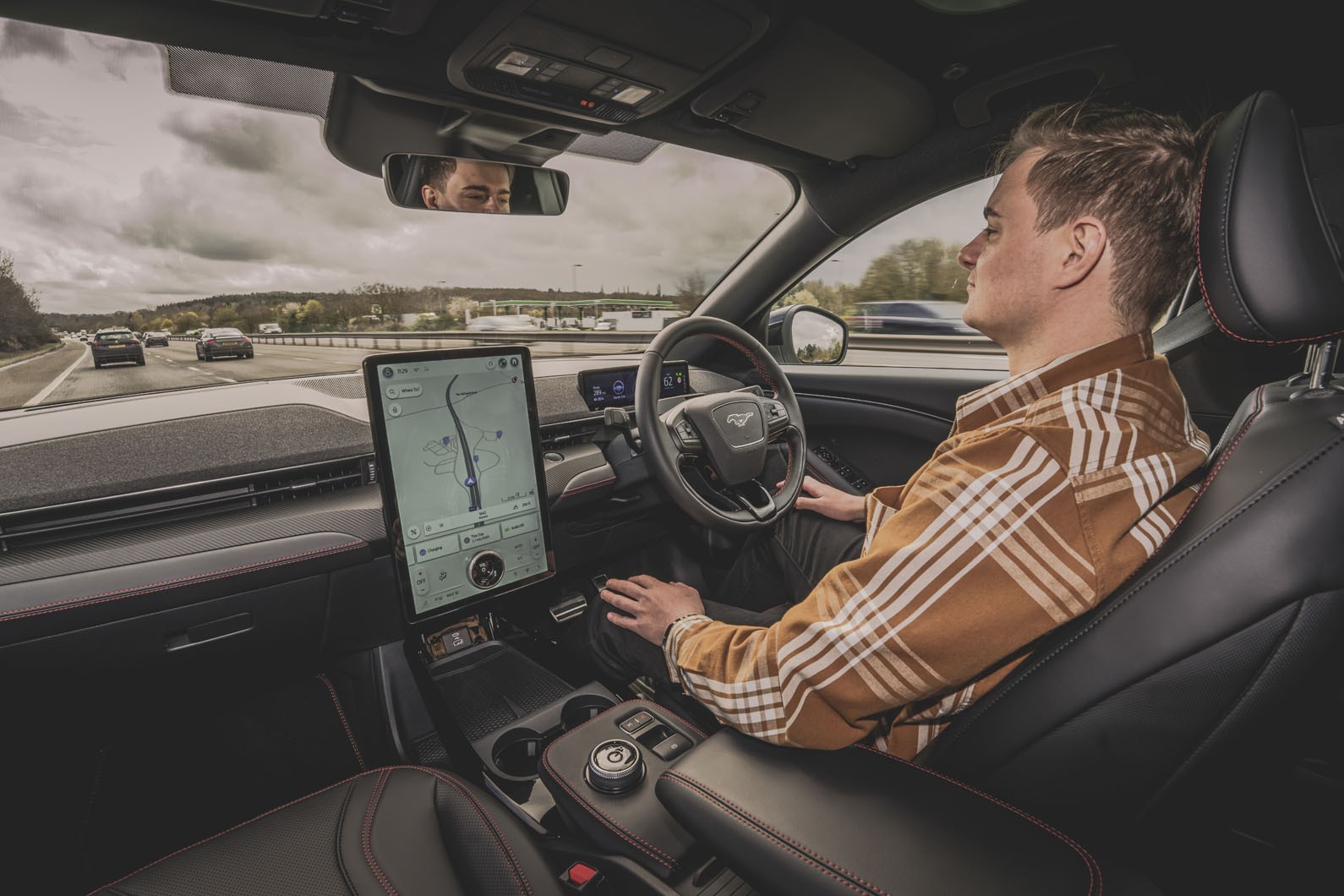
Ford is making its “hands-off” driving technology, BlueCruise, available on additional models: the Puma, Kuga, and electric Puma Gen-E. This expansion significantly increases the accessibility of semi-autonomous driving for Ford customers in Europe.
BlueCruise: A Step Beyond Standard Driver Assistance
BlueCruise differs from typical adaptive cruise control systems offered by competitors like BMW and Mercedes-Benz. While similar in using radar and cameras for speed and lane keeping, BlueCruise allows drivers to temporarily remove their hands from the steering wheel under specific conditions. This feature is a key differentiator in the increasingly competitive advanced driver-assistance systems (ADAS) market.
Previously exclusive to the Mustang Mach-E, BlueCruise will now be integrated into “BlueCruise Edition” trims of the Puma and Kuga. Notably, Ford is including the system as standard with these trims, bypassing the need for a separate £17.99 monthly subscription fee that some other manufacturers impose.
Operational Limits and “Blue Zones”
BlueCruise is not a fully autonomous system; drivers must remain attentive and prepared to take control at any moment. The technology operates within pre-mapped “Blue Zones”—sections of motorways approved for hands-free operation. Ford currently supports over 84,000 miles of approved roads across 16 European countries, including key UK routes like the M25, M1, and M6.
Pricing and Visual Distinction
The most affordable BlueCruise-equipped model is the electric Puma Gen-E, priced at £31,545 after applying the government’s Electric Car Grant. The combustion-engine Puma BlueCruise Edition starts at £33,995, while the Kuga version is priced at £41,995.
These vehicles will be easily identifiable by their exclusive Vapor Blue exterior paint, paired with a black roof, black mirror caps, and black alloy wheels.
The expansion of BlueCruise suggests Ford is betting on semi-autonomous features as a key selling point. This move places the brand in direct competition with Tesla and other automakers aggressively pushing similar technologies. It remains to be seen how regulatory frameworks and driver trust will evolve alongside this advancement in automotive automation.