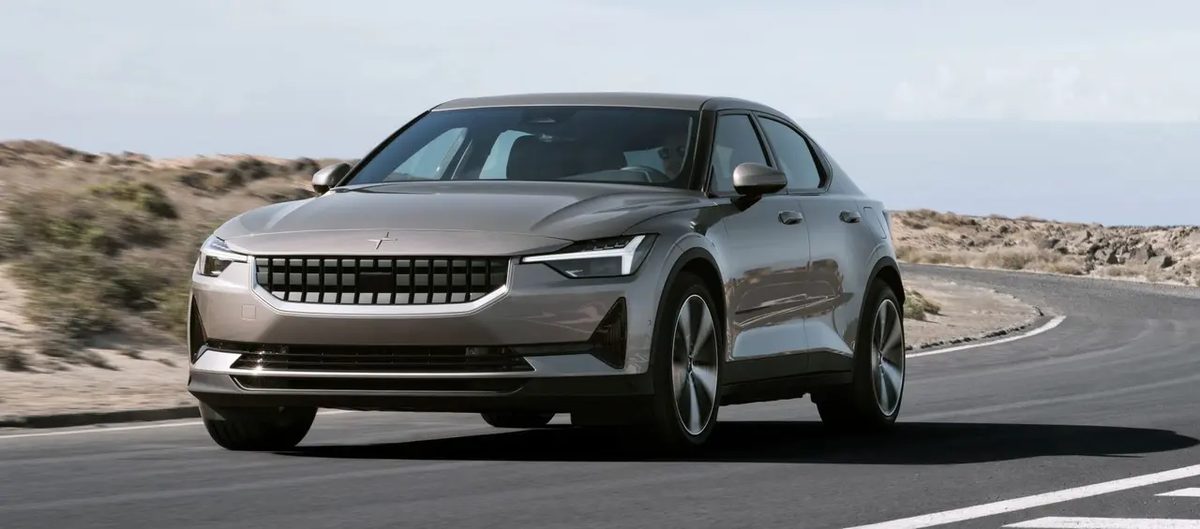
Polestar has set a target that sounds ambitious even for the most optimistic EV evangelists. They want to sell fully carbon-neutral electric vehicles by 2030. No offsets. No tree-planting schemes to scrub the air. Just a complete overhaul of how they build and sell cars. This is the Polestar 0 Project.
The scope is massive. It covers everything from mining raw materials to the final assembly line. The goal is to eliminate carbon footprints at every step. To prove they can actually do this, Polestar is turning to blockchain technology.
Tracking Carbon from Mine to Factory
The company announced it is implementing a blockchain system across its supply chain. This isn’t just a marketing gimmick. It’s a tool to track CO2 emissions in real-time. The data will be immutable. Once recorded, it cannot be deleted or altered.
Who is providing the tech? Circulor. Polestar already uses them to trace cobalt in the Polestar 2’s battery. Now, they are expanding that transparency. Customers will eventually see exactly where every material came from. You can check the origin of the steel. You can verify the source of the rare earth elements.
This level of detail addresses a key concern for eco-conscious buyers. How do you know your EV is truly green? Most manufacturers claim neutrality based on averages. Polestar wants to show the granular data.
Transparency is the only way to verify true sustainability.
The French Paradox
Here is the irony. Polestar cannot even sell cars in France right now.
Citroën blocked them. It started with a logo dispute. The French giant sued in 2019, claiming Polestar’s star emblem resembled their own chevron. It seemed like a trivial legal battle. A dispute over geometric shapes.
But the French courts took it seriously. In June, the judge ruled in favor of Citroën. Polestar was ordered to stop using its logo in France. The result was immediate. The Polestar website became inaccessible from French IP addresses. You cannot order a Polestar 1 or a Polestar 2 there.
So, while Polestar is pushing for radical transparency and carbon neutrality, French consumers are locked out. They miss out on the very initiative Polestar is launching to prove its environmental credentials. It is a strange disconnect. A company trying to lead the green charge is legally barred from its own storefront in one of Europe’s largest markets.
The Polestar 0 Project aims to make the Polestar 2 and future models carbon-neutral. They want to change the industry standard. But until the legal injunctions are resolved or lifted, French drivers are left watching from the sidelines. The technology exists. The plan is clear. The access is simply denied.
The Traceability Engine
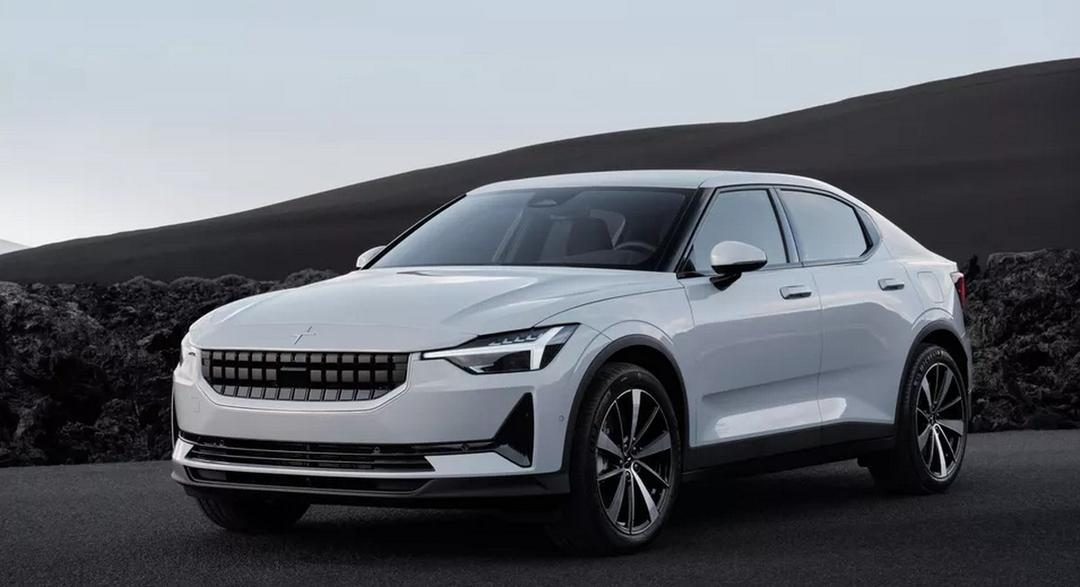
Polestar isn’t just slapping a sustainability badge on the Polestar 2; it’s running the supply chain through a blockchain ledger. The goal? To trace the cobalt from the mine to the battery pack. This isn’t marketing fluff. It’s a technical solution to a dirty problem. Cobalt mining, particularly in the DRC, has long been shadowed by human rights abuses and environmental neglect. By using distributed ledger technology, the company aims to prove exactly where that raw material came from.
The system tracks the mineral at every handoff. Mining sites. Refineries. Battery factories. Each step is recorded, immutable, and transparent. This allows Polestar to verify that the cobalt in their EVs isn’t sourced from child labor or conflict zones. It’s a direct answer to the ethical questions surrounding electric vehicle production.
Why Blockchain?
Why bother with blockchain for cobalt? Because traditional supply chains are opaque. A supplier might say a material is “ethical,” but without proof, that’s just a claim. Blockchain provides a digital passport for the cobalt. It creates an unchangeable record of origin and movement.
This approach addresses the “how” of ethical sourcing. How do you know the cobalt is clean? You look at the chain of custody. Each transaction is timestamped and cryptographically secured. It makes fraud difficult. It makes accountability clear. If a mine is flagged for violations, the cobalt from that site can be identified and excluded from the supply chain.
The Polestar 2 Advantage
The Polestar 2 is the first vehicle to fully utilize this system for cobalt tracing. This sets a precedent. It shows that high-volume EV production can integrate deep supply chain visibility. Other manufacturers are watching. The technology proves that transparency is feasible at scale.
The battery chemistry matters here. Cobalt is a key component in the lithium-ion batteries that power the Polestar 2. By securing the supply, Polestar mitigates reputational risk. Consumers are increasingly demanding ethical production. This system provides the data to back up those claims.
Beyond the Badge
This isn’t just about compliance. It’s about reshaping the industry standard. When a major brand like Polestar commits to blockchain-traced cobalt, it puts pressure on suppliers to improve their practices. It forces mines to adopt better labor standards if they want to keep selling to the EV market.
The technology also offers a model for other critical minerals. Lithium. Nickel. Manganese. The same tracing principles can apply. Polestar’s move suggests a future where raw material provenance is as visible as the vehicle’s VIN.
The Reality Check
Blockchain isn’t a silver bullet. It relies on accurate data input. If a miner falsifies records before they hit the ledger, the chain is only as good as its weakest link. Polestar mitigates this with third-party audits and strict supplier agreements. The system works best when combined with on-the-ground verification.
Still, the shift is significant. It moves ethical sourcing from a promise to a verifiable fact. For the Polestar 2 owner, it means driving an EV with a known, cleaner footprint. For the industry, it’s a blueprint.
The question now is adoption. Will other OEMs follow? The technology is proven. The demand for transparency is growing. The only barrier is the initial investment