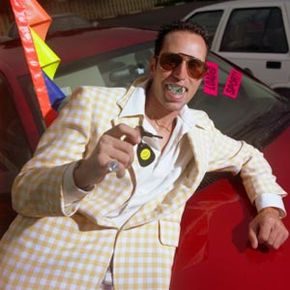
The stereotype of the slick salesman on a crumbling lot is outdated. Most dealers are just trying to make a living by buying low and selling low. They are often honest. But their reputation suffers because most buyers barely understand how engines work. This knowledge gap creates a loophole. Sellers can move vehicles that look fine but are one breakdown away from death.
Private sellers offer no safety net. You might meet them online, hand over cash, and never see them again. The information shared is rarely complete. You think you are buying a clean car from a neighbor. In reality, you might be buying one of dozens of auction-pulled clunkers parked in grocery store lots across town.
Red Flags in Used Car Purchases
Not every used car is a bad deal, but some are ticking time bombs. A history of wrecking matters. If an insurance company totaled the vehicle, it likely has structural issues you cannot see. State agencies also label some cars as “lemons.” These are repeat offenders with persistent defects.
Location is a huge factor. Cars from coastal states often suffer from hidden rust. Corrosion eats away at frame integrity in spots you cannot spot during a test drive. Flood damage is worse. Think of the aftermath of Hurricane Katrina. Water-damaged electronics and mold can hide inside the dash. The car might drive fine today. It will leave you stranded months later. By then, the money is gone.
Why CARFAX Changed the Game
Pulling the wool over buyers is much harder now. The rise of CARFAX vehicle history reports changed the used car market forever. Millions of transactions use these reports yearly. They provide a second-by-second background check on any vehicle.
Buyers can access records in seconds. This empowers consumers to make informed decisions. It also forces honest dealers to back up their claims. A clean report means fewer hidden surprises. You can see if a car was in an accident. You can check for open recalls. You can verify the mileage.
The system isn’t perfect, but it filters out the worst offenders. It exposes the flood-damaged sedans and the wrecked SUVs that tried to sneak through. Before this tool, you were flying blind. Now, you have data.
Still, a report is just paper. It doesn’t tell you if the last owner skipped oil changes or drove like a maniac. You still need to look under the hood. You still need to listen to the engine. But at least you know the car wasn’t drowned in a hurricane. That’s a start.
What else can a history report miss? Probably plenty.