You’ve heard the warnings. Hydrogen is light. It’s flammable. It has a checkered past involving dirigibles. So, naturally, the idea of storing a pressurized tank of it in your trunk feels like asking for an explosion.
It isn’t.
The danger is largely mythological. Hydrogen behaves differently than gasoline, diesel, or propane, and that difference works in its favor when things go wrong. Understanding hydrogen fuel safety means accepting that this gas doesn’t play by the same rules as liquid fossil fuels.
The Hindenburg Myth
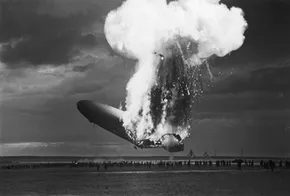
Let’s address the elephant in the room. The 1937 explosion of the Hindenburg is the cultural anchor for every fear regarding hydrogen. 35 people died. It looked terrifying. It was catastrophic.
But the fire itself didn’t kill most of the passengers.
The hydrogen, which ignited in the outer envelope of the airship, rose rapidly. It didn’t cling to the ground. It didn’t pool around the passengers. The fire roared above them. The deaths came from panic and the subsequent structural collapse that sent people leaping to their deaths or being crushed by burning debris. The hydrogen fire was intense, yes. But it wasn’t a ground-hugging blanket of death.
This event froze public perception of hydrogen for decades. It slowed adoption. It created a stigma that doesn’t match the physics of how the gas behaves in a vehicle.
Why It Doesn’t Pool
Gasoline spills. It pools. It creates a vapor cloud that sits near the ground, waiting for a spark. If you crash a gas car, fuel can seep into the undercarriage or surrounding soil. That’s a lingering hazard.
Hydrogen doesn’t do that.
Because hydrogen is the lightest element, any leak disperses almost instantly. It mixes with the air and rises. Fast. In an open environment, a hydrogen leak doesn’t create a concentrated pool of fuel. It creates a diluted mixture that is actually harder to ignite than a gasoline vapor cloud.
“In reality, this diluted hydrogen mixture is no more likely to catch fire than gasoline is.”
And because it rises, it doesn’t stay in the spaces where people are standing. It goes up. Away from you.
Heat and Detection
Hydrogen burns with a flame that is nearly invisible in daylight and radiates significantly less heat than a hydrocarbon fire. Does this mean it’s safe to touch? No. It will still burn you. But it is less likely to ignite nearby materials. It won’t cause secondary fires spreading to your car’s interior or the surrounding forest as easily as gasoline would.
One counter-intuitive fact: hydrogen is odorless. You can’t smell a leak.
Manufacturers solve this by adding odorants. These are harmless chemicals added to the fuel stream to give it a detectable smell. If your hydrogen-powered car leaks, you might smell it. Note that the odorant may not disperse exactly like the gas, but it provides an early warning system. You smell it. You check it. You act.
Asphyxiation Risks
Is hydrogen toxic? No. It’s not poisonous.
The only real risk of asphyxiation is in a confined, unventilated space. Think about a closed garage. If a tank fails in there, the hydrogen displaces oxygen. It’s a simple math problem. Too much hydrogen, not enough oxygen.
In an open parking lot or on the highway? The wind and atmospheric turbulence disperse the gas before it can reach dangerous concentrations. You won’t suffocate from a leak in a hydrogen vehicle in normal driving conditions. The rapid dispersal rate is your best friend here.
The Bottom Line
Treat hydrogen with respect. It’s high-pressure gas. It’s hot when it burns. It requires careful handling and robust infrastructure.
But are you terrified of it? You shouldn’t be.
The practical dangers of hydrogen in a vehicle are unlikely to be greater than those of gasoline. In many ways, they are lower. It rises. It disperses. It doesn’t pool. It doesn’t linger.
The Hindenburg was a tragedy born of engineering and material choices, not an inherent flaw in hydrogen itself. We’ve learned a lot since 1937. The fuel cells, the tanks, the sensors. They are designed to mitigate the risks we now understand.
The fear is historical. The engineering is current.