It happens fast. A driver checks their phone. Then they lean back. Then, suddenly, they are asleep at 90 km/h.
This is not a hypothetical scenario. It is exactly what happened to volunteers in Google’s early self-driving tests. The result was a radical pivot point in automotive history. John Krafcik, CEO of Waymo, explained this turning point at the 2019 Frankfurt Motor Show. He detailed why the project abandoned semi-autonomous assistance for full autonomy. The conclusion was stark. Human intervention is too risky.
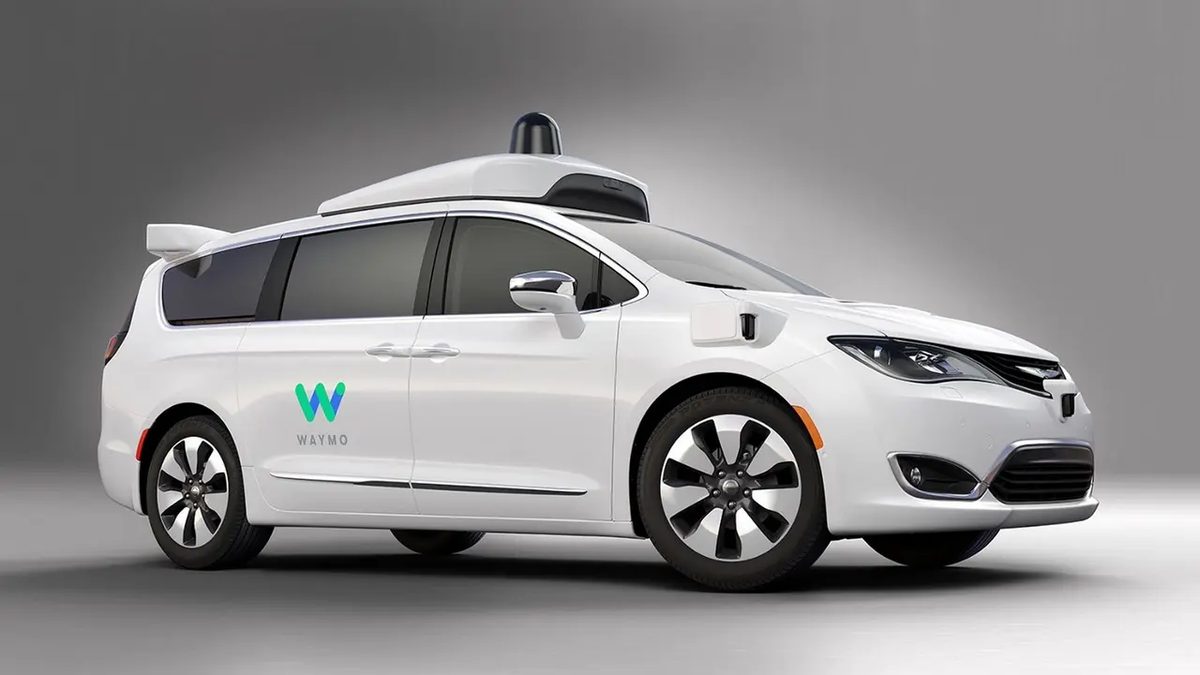
Waymo operates as Alphabet’s self-driving subsidiary. It uses a hardware and software platform called the Waymo Driver. This system is integrated into Chrysler Pacifica minivans and Jaguar I-Pace electric SUVs. These vehicles are assembled in Detroit. They now power Waymo One, a ride-hailing service in Phoenix, Arizona. Over 1,000 people use it daily. Earlier this year, Waymo also signed partnerships with Renault-Nissan for passenger and freight services in France and Japan.
But the path to Phoenix started in 2013. Google engineers were scared.
The Fatal Flaw in Human Trust
In 2009, Google launched its autonomous driving program. By 2013, the technology was advanced enough to consider commercialization. The goal was highway assistance. Drivers could take their hands off the wheel. They just had to keep their eyes on the road.
Google recruited about a dozen employees for this beta test. The rules were strict. Drivers had to stay alert. Cameras inside the car recorded everything. If you broke the rules, you lost your vehicle privileges.
The system felt safe. Too safe.
Volunteers developed blind trust in the AutoPilot-like system. Video footage from Waymo shows the results. One driver types texts while the car drives itself. Another plugs a laptop into a port. A woman fixes her makeup. The worst example? A driver falls asleep at night on the highway.
That incident changed everything. Google realized human attention cannot be relied upon. The only way to solve traffic safety was to remove humans from the equation entirely.
From Google Car to Waymo
This realization led to the development of the Waymo Driver. It started with the Google Car, nicknamed FireFly. Later, it evolved into an adaptable platform for production vehicles. Waymo was established as an independent company in 2016 to pursue this mission.
Krafcik’s explanation confirms what Google has argued for years. Semi-autonomous systems create a false sense of security. The risk of human error is unmanageable.
This stance is a direct critique of Tesla. Tesla’s AutoPilot system is highly effective. It also encourages excessive confidence. Tesla warns drivers the system is not autonomous. Drivers ignore the warnings. They distract themselves constantly. The videos of distracted Tesla drivers are endless.
For Google and Waymo, the solution is simpler. Remove the human. Save lives.
The technology works. The fleet is moving. But the debate over human involvement continues.
Why Full Autonomy Wins
The shift from supervised to unsupervised driving was not just technical. It was philosophical.
Semi-autonomous systems require a human to be ready to take over at any moment. Humans are bad at that task. We get tired. We get bored. We look at our phones.
Full autonomy removes this variable. The Waymo Driver does not sleep. It does not text. It does not fix its makeup.
This approach has practical benefits. It allows for wider deployment. The Chrysler Pacifica and Jaguar I-Pace can operate without a safety driver in the back seat. This increases efficiency. It lowers costs.
The Future of Mobility
Waymo One is already running in Phoenix. The service is growing. Partnerships with Renault-Nissan expand this model to Europe and Asia.
The technology is ready. The infrastructure is being built. The question is no longer if autonomous cars will replace humans. It is how quickly they will.
Human drivers will remain on the road for a while. The transition will take time. But the direction is clear.
We are moving toward a world where we do not drive.
It might take years. Or decades.
But the wheels are already turning.