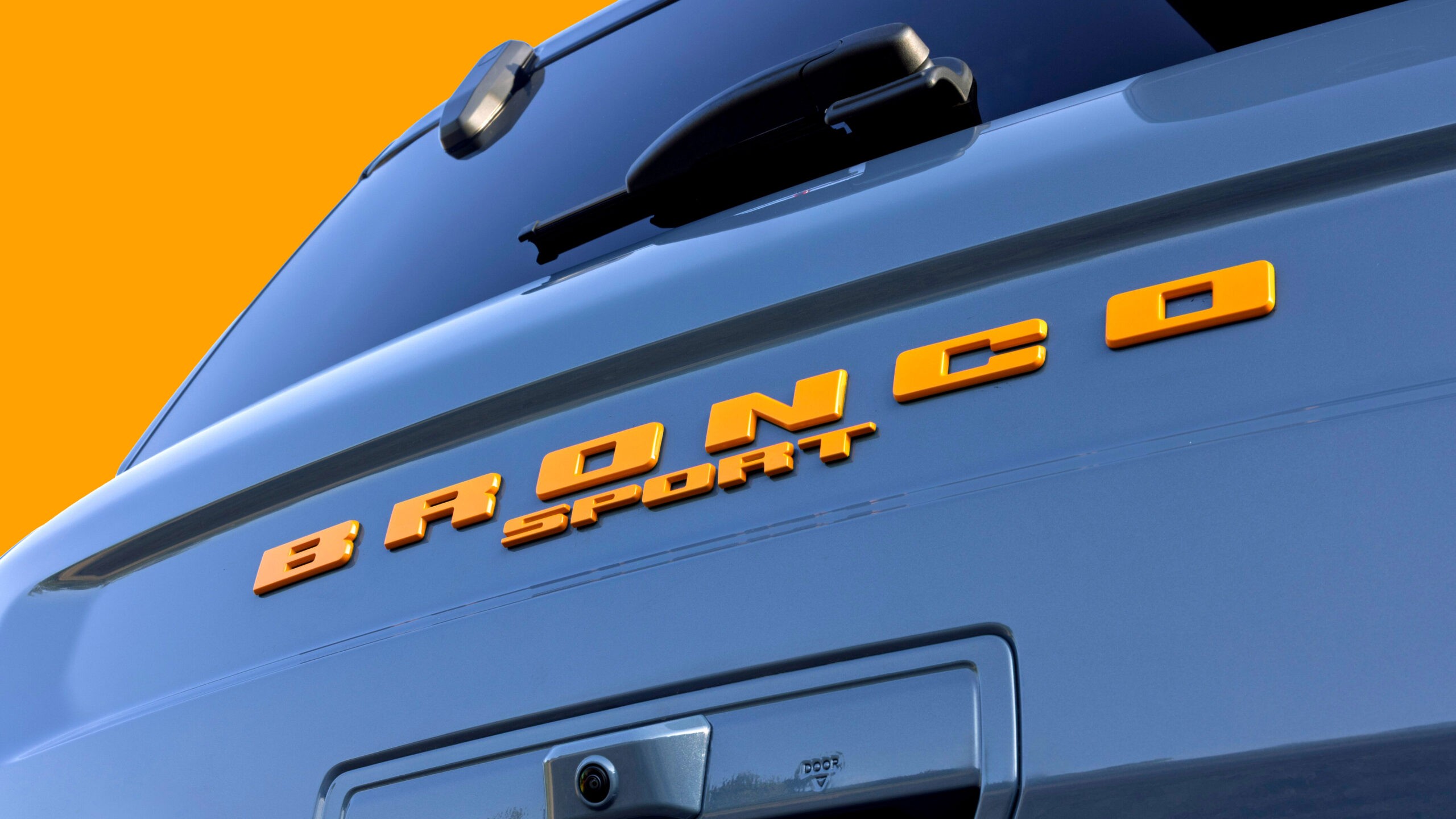
Ford is recalling 1.74 million vehicles due to two separate software and hardware glitches affecting rearview camera functionality. This marks the second major recall for similar issues within six months, raising questions about quality control and system reliability. The problems range from disorienting image inversions to complete camera shutdowns, potentially impairing driver visibility during reversing maneuvers.
Display Glitches: Upside-Down Views
The first recall covers approximately 889,950 vehicles, including the 2020-2024 Ford Explorer, Escape, and Lincoln Corsair/Aviator models. The issue lies in a faulty touch controller chip within the infotainment display. Upon startup, this chip can briefly scramble communication, flipping the entire display interface – including the rearview camera image, guidelines, and on-screen controls.
This means drivers may momentarily see an upside-down or reversed view when shifting into reverse. While rare, the glitch rewrites a register in the display’s microcontroller, causing the disorientation until the system is restarted.
Overheating Issues: Camera Blackouts
The second recall affects roughly 849,310 vehicles, including the 2021-2026 Ford Bronco and 2021-2024 Edge. Here, the problem is heat. The APIM module (infotainment system) is positioned too close to HVAC ducts and the audio head unit, causing it to overheat under certain conditions.
When overheating occurs, the touchscreen and rearview camera feed shut down for up to five minutes as the system cools down. This leaves drivers without a functional backup view.
Safety Concerns and Regulatory Compliance
Neither recall has been linked to crashes or injuries yet. However, regulators consider any malfunctioning rearview camera a safety hazard. Backup cameras have been federally mandated for all new vehicles in the U.S. since 2018. The recall underscores the critical role of functioning backup cameras in preventing low-speed collisions and pedestrian incidents.
Software Fixes and Ongoing Issues
The fix for both recalls will be deployed through over-the-air software updates. However, Ford has not yet finalized these updates, meaning owners must wait for notification and free repairs. This latest wave of recalls adds to a troubling trend for Ford: the company launched over 150 campaigns in 2025, with no signs of slowing down in 2026.
This persistent issue suggests deeper problems with Ford’s infotainment systems, and raises questions about long-term reliability. The sheer volume of recalls points to a need for more rigorous testing and design improvements.