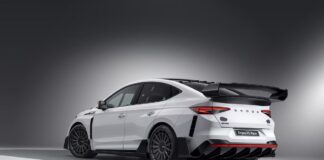
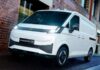
Sales and deliveries of the Deepal E07, a unique electric “multitruck” vehicle, have been temporarily suspended in Australia due to an unspecified compliance issue. The Chinese automaker confirmed the pause, stating that affected customers are being contacted directly with updates as the problem is addressed.
The Compliance Question: Child Seat Anchors?
While Deepal has not publicly disclosed the exact nature of the compliance issue, industry speculation points toward Australian Design Rule (ADR) 34/03 concerning child seat anchor points. This regulation mandates a top-tether anchor point for all second-row seating positions in MA-class vehicles (most passenger cars and SUVs).
The E07 brochure has shown conflicting information: an earlier version (V1) claimed three child-seat anchor points, while the latest (V1.1) lists only two top-tether and two ISOFIX points. The discrepancy suggests a potential failure to meet the three-anchor requirement for the vehicle’s seating configuration.
This isn’t an isolated issue. Other electric vehicles, like the BYD Atto 3 and updated Tesla Model 3, have faced similar delivery pauses over inaccessible rear-center top-tether anchors.
Why This Matters: Australia’s Strict Vehicle Standards
Australia’s vehicle safety standards are notably strict, sometimes leading to unusual market adaptations. A prime example is Honda’s decision to launch the second-generation HR-V as a four-seater rather than five, to avoid ADR compliance issues.
The current suspension affects approximately 258 Deepal E07 vehicles already delivered to customers. It remains unclear whether these vehicles will be subject to a recall. Deepal stated the issue isn’t safety related, allowing current owners to continue driving according to the owner’s manual.
The Deepal E07: A Unique Vehicle
The E07 stands out due to its hybrid design, blending elements of a ute and an SUV with a sliding glass roof over the rear cargo compartment. Deepal’s expansion in Australia includes the S07 mid-size electric SUV (launched late 2024) and the upcoming S05 model. Mazda is also planning to introduce its 6e electric sedan, built on Deepal underpinnings, later this year.
The situation highlights the complexities of international automakers adapting to varying regulatory landscapes, particularly in markets like Australia where safety standards are rigorously enforced.
The pause in deliveries underscores the importance of compliance checks before mass distribution and signals that even minor regulatory discrepancies can disrupt launch plans.