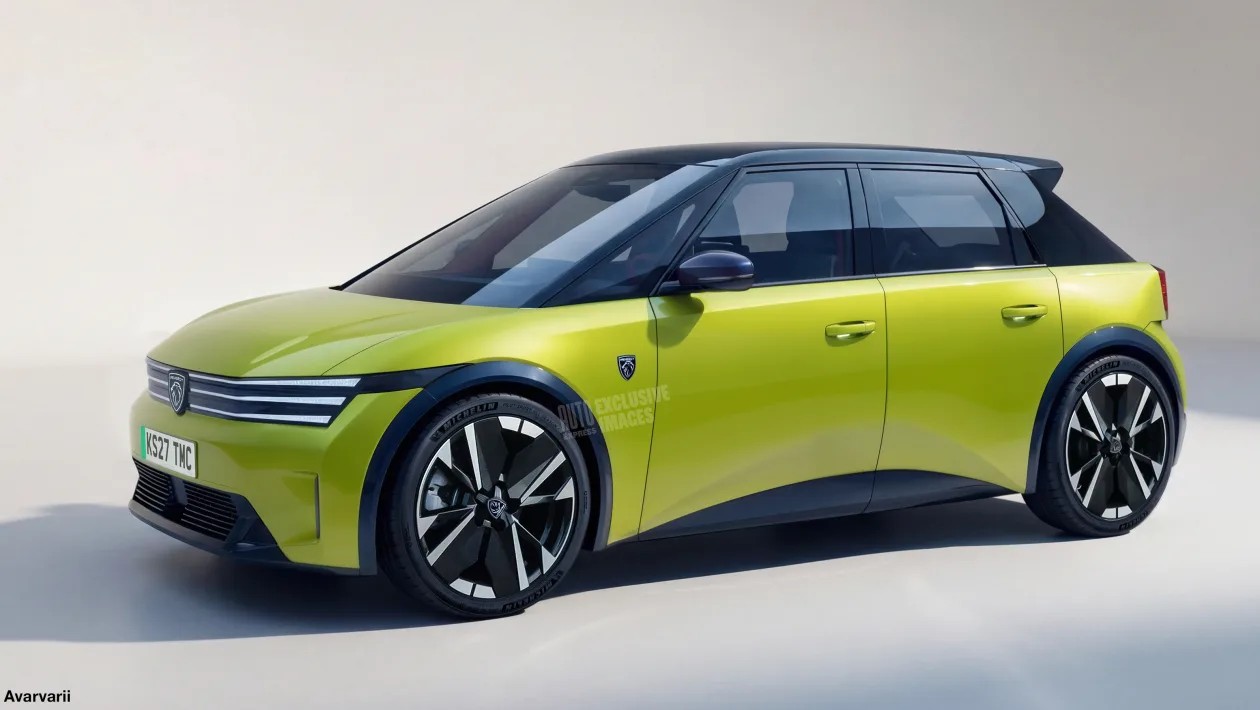
The next-generation Peugeot 208 is set to redefine the small car segment, with a reveal scheduled for the 2026 Paris Motor Show. While the radical Polygon concept previewed a futuristic vision, the Paris debut will showcase a production-ready version that blends heritage design with cutting-edge technology.
Peugeot’s Return to Form
Stellantis, the parent company overseeing brands like Fiat and Citroen, is using the Paris show to highlight future vehicle visions. Peugeot aims to make a bold statement, signaling a renewed focus on innovation and design leadership. The Polygon concept, with its steer-by-wire Hypersquare steering wheel, offered a glimpse of this ambition. While gullwing doors won’t make it to production, the core design language will shape the next 208.
Key Features: Design and Technology
The new 208 will draw inspiration from the classic 1980s Peugeot 205, featuring horizontal light signatures at the front and rear. This design element will become a hallmark of future Peugeot models, as confirmed by CEO Alain Favey. The car will be the first to utilize Stellantis’ latest STLA Small architecture, initially launching as a fully electric (BEV) model.
Steer-by-wire technology, replacing mechanical steering linkages with digital impulses, will enhance handling and maximize interior space. This allows for a compact exterior footprint with a roomier cabin, addressing the needs of urban drivers. Weight reduction and recyclability are also key priorities, as highlighted by Peugeot’s chief engineer, Ned Curic.
Interior Innovations
The interior will feature a forward-shifted windscreen and a longer wheelbase to maximize passenger space. The Hypersquare yoke steering wheel will deliver a unique driving experience, with variable assistance levels tailored to speed and surroundings. Peugeot believes this technological edge will help it compete with emerging Chinese rivals.
Powertrain Options
The new 208 will primarily be electric, but hybrid versions may also be considered. The STLA Small architecture can accommodate batteries up to 82kWh, offering a potential range of around 300 miles. Smaller battery options will also be available for urban driving. The electric version will offer power outputs ranging from 130bhp to 220bhp, aligning with competitors like the Volkswagen ID. Polo and Cupra Raval. A high-performance E-208 GTi with 276bhp is also planned.
Production and Manufacturing
The new Peugeot 208 will be manufactured in Zaragoza, Spain, alongside the next-generation Vauxhall Corsa. Stellantis is leveraging lower production costs in the region. The longer wheelbase will allow for larger battery packs, and the 400-volt electrical architecture will improve charging speeds.
The next-generation Peugeot 208 represents a significant leap forward in supermini design and technology. By blending heritage styling with cutting-edge innovation, Peugeot is positioning itself as a leader in the evolving automotive landscape.