A federal law passed in 2021 set a firm deadline: by 2027, all new vehicles sold in the United States must be equipped with systems capable of detecting impaired drivers. The goal is noble—reducing fatalities caused by alcohol and drug use behind the wheel. However, a recent report from the National Highway Traffic Safety Administration (NHTSA) reveals a stark reality: the technology required to meet this mandate simply does not exist yet.
While automakers are broadly supportive of the safety initiative, the gap between legislative ambition and technological capability is widening. This situation raises critical questions about privacy, data ownership, and the feasibility of government-mandated surveillance in personal vehicles.
The Technological Gap
The Infrastructure Investment and Jobs Act gave manufacturers three years to develop passive detection systems for Blood Alcohol Content (BAC) or Breath Alcohol Content (BrAC). In a February report to Congress, NHTSA admitted that no current production technology can accurately measure these metrics without active driver participation (like blowing into a device).
The agency highlighted two main categories of potential solutions, both of which currently fall short:
- Passive Breath Analysis: Currently, there are no in-vehicle sensors that can passively detect alcohol levels above the legal limit of 0.08 g/dL.
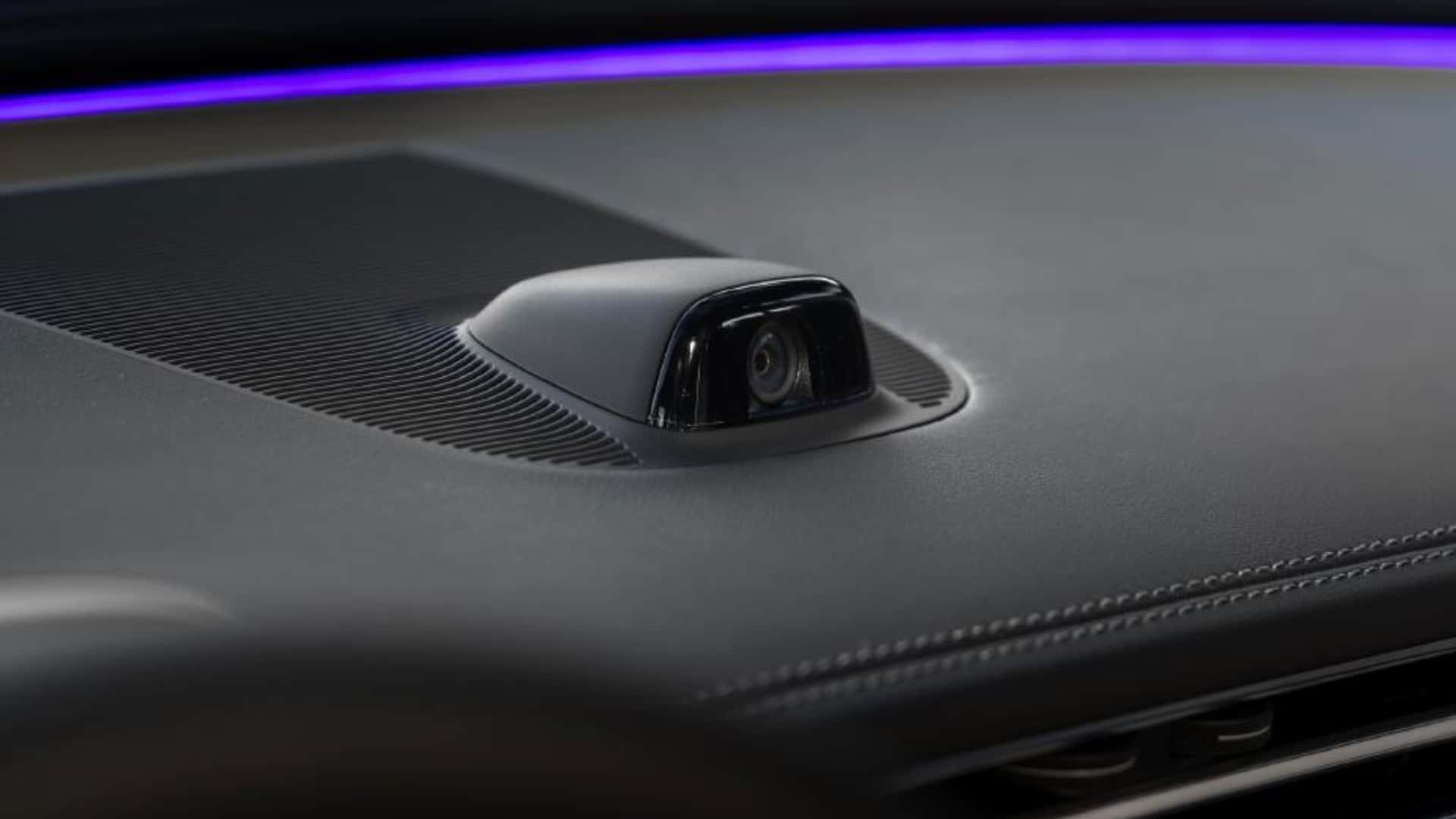
- Sensor-Based Monitoring: Systems using cameras and biometric sensors to detect signs of impairment (such as slurred speech or erratic eye movement) are “not ready” for public deployment.
The primary hurdle is accuracy. NHTSA notes that even a system with a 99.9% accuracy rate would generate millions of false positives annually. This means millions of sober drivers could be falsely accused of impairment, potentially locking them out of their vehicles or triggering law enforcement alerts.
“To date, there are no in-vehicle technologies in production that can measure BAC or BrAC… passively.” — NHTSA Report to Congress
Despite these setbacks, the agency remains optimistic that future iterations of this technology could have a “dramatic impact on road safety.” However, they acknowledge that we are nowhere near that tipping point today.
Privacy and the “Surveillance State”
Beyond technical feasibility, the mandate introduces significant privacy concerns. To detect impairment, cars would need to continuously monitor drivers using in-cabin cameras and sensors. This shifts the vehicle from a private space to a data-collection hub.
Key privacy issues include:
* Data Ownership: Drivers often do not own the data their vehicles generate. Mandating constant monitoring increases the volume of sensitive biometric data collected by automakers.
* Potential for Misuse: In theory, every action inside the car—from checking a phone to yawning—could be recorded and potentially used against the driver in legal or insurance contexts.
* Conflicting Technologies: Modern cars are equipped with driver-assistance features like lane-keep assist. NHTSA worries these systems might mask impaired driving behaviors, making it harder for monitoring systems to distinguish between a relaxed sober driver and an impaired one.
Industry Pushback and Safety Goals
The push for impairment detection is not limited to federal regulators. The Insurance Institute for Highway Safety (IIHS) has announced plans to raise its “Top Safety Pick+” standards to include impairment detection features by 2030.
David Harkey, President of IIHS, framed this as part of the “30×30” vision to reduce U.S. road deaths by 30% by 2030. He argued that leveraging safety ratings could encourage automakers to adopt these technologies, similar to how previous standards improved airbags and collision avoidance systems.
Major automakers, including BMW, Ford, General Motors, and Toyota, have expressed general support for the initiative. However, they have privately raised serious concerns to NHTSA regarding:
* Consumer acceptance of constant monitoring.
* The current lack of technical accuracy.
Conclusion
While the intent behind the 2027 mandate is to save lives, the technological reality is that reliable, passive impairment detection is not yet viable. Automakers and regulators are facing a difficult balancing act between public safety goals and the practical limitations of current sensor technology. Until accuracy improves and privacy frameworks are established, the mandate may need to be reconsidered or delayed to avoid penalizing sober drivers and infringing on personal privacy.