Li Auto has effectively dismissed plans for electric vehicle range extender (EREV) sedans, with product line head Tang Jing stating the latest engine technology is specifically tailored for the company’s L-series crossover lineup. The move highlights a strategic focus on SUVs, where the new powertrain offers advantages in space and safety that sedans cannot match.
Engine Evolution and Specs
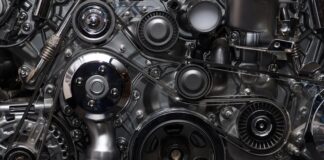
Li Auto’s range extender journey began with a three-cylinder engine from Dongan, later shifting to a BMW/Peugeot-derived four-cylinder Prince engine. The next iteration, dubbed “Range Extender 3.0,” will debut in the Li Auto L9 Livis SUV. This engine, internally designated L3E15CA, is a 1.5-liter turbocharged four-cylinder producing 154 horsepower.
The engine is manufactured at Li Auto’s Suzhou facility and boasts hybrid fuel consumption of just 0.23 liters per 100km when combined with battery power. When the battery is depleted, fuel consumption rises to 6.4 liters per 100km. These numbers are in line with industry standards for EREV vehicles, but the real story lies in the physical design.
Why Sedans Are Out of the Question
According to Tang Jing, the new engine was intentionally designed with a narrower and shorter profile, but increased height. This configuration works perfectly for the higher chassis of crossovers, maximizing passenger space by over 20mm. However, attempting to adapt it to a sedan would create critical design flaws.
Specifically, the taller engine would reduce ground clearance and compromise pedestrian safety standards. The engine’s proximity to the hood would shrink the necessary crumple zone, making it difficult to pass crash tests. This is not merely a technical hurdle; it’s a fundamental incompatibility that Li Auto acknowledges will likely prevent them from pursuing EREV sedans anytime soon.
Beyond Efficiency: Noise and Vibration Improvements
Li Auto has also prioritized NVH (Noise, Vibration, and Harshness) performance in the new engine’s development. By abandoning traditional engineering approaches, the company has reportedly achieved a smoother, quieter driving experience. This focus suggests Li Auto is not just building an engine, but refining the overall perception of its EREV technology.
Ultimately, Li Auto’s decision underscores a clear strategic direction: prioritize crossovers where the new engine’s design strengths align with vehicle architecture, and avoid sedans where compromises would undermine safety and passenger comfort.
The company appears to be doubling down on what it does best, rather than stretching resources towards a segment where its latest tech isn’t a natural fit.