Hungary wins. Again.
Mercedes is building the compact g-Class in Kecskemét, not Germany. The plan shifts assembly away from Rastatt. Costs matter.
“It’s a completely new development.”
— Ola Källenius
The full-size G-Class is built in Austria, remember. Magna Steyr handles the heavy lifting there. So why should the small one be different? It shouldn’t. The logic is cold, efficient, and purely financial. Lower wages. Cheaper operations. The Hungarians get the work; Germany loses a prestige badge.
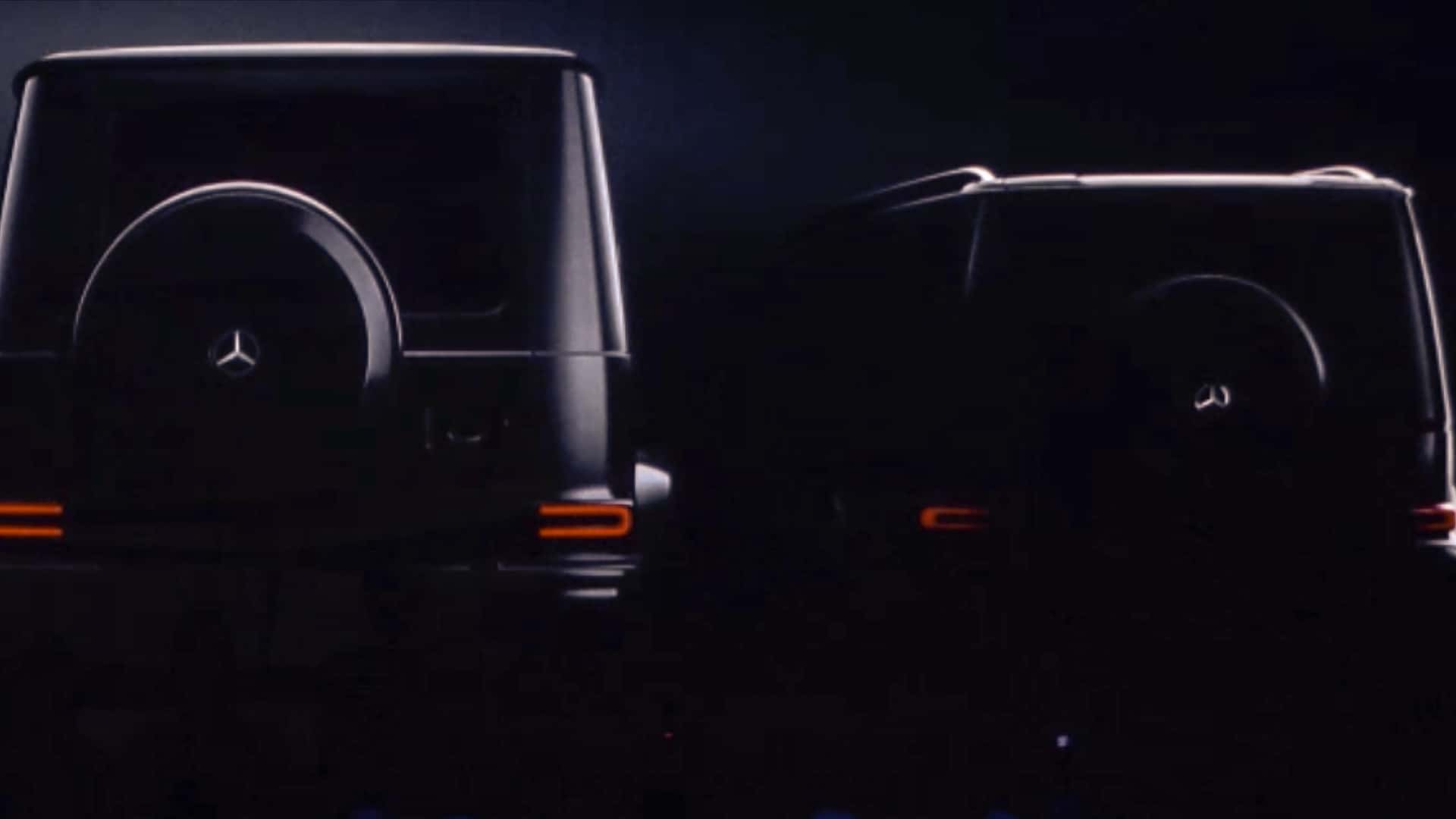
Three years after the initial tease. Nine months after that September 2023 glimpse in Munich. The little square box has names. Baby G. Little G. Mercedes uses the lowercase g to signal a separation from its premium brother. A distancing maneuver. The market is confused but curious.
2027 is the target. When it arrives, it carries a Hungarian address. This isn’t a rumor. It’s the likely reality.
Money Moves
Kecskemét is growing fast. €1 billion flows into expansion. Capacity hits 400,00 units a year. That’s the largest Mercedes factory in Europe soon. It eats up 30% of their continental production. Double what it does now.
3,000 jobs added. The workforce swells to 7,500 souls on the floor.
Is it smart?
Absolutely. The g-Class shares DNA with the CLA and its wagon variant. Those already roll off lines in Hungary. Adding another box to the assembly line saves millions. Rastatt is expensive. German labor costs are brutal compared to their Central European cousins.
You want to cut corners without cutting quality. Build in cheaper soil.
Does this mean cheaper cars? Maybe. If Mercedes cares. Usually they don’t pass the savings down. They eat them. Or use them for battery research. The consumer gets nothing unless the competition forces a price war.
The car itself? Probably not as rugged as the big brother. Never will be. But it should crush the GLB on dirt. Logic suggests better ground clearance, tougher suspension. The GLB is a glorified grocery getter. The g-Class aims higher. Tries higher.
Gasoline Still Lingers
Here is the twist. No full electric mandate.
Originally, the plan was all-EV. Clean. Green. Modern. The American dealers balked. They want combustion engines. Gasoline sells. The compromise? Gas engines will exist alongside the EV versions.
A mild-hybrid GLB costs roughly €46,868. An EV sibling sits €4,000 higher. That gap persists. The g-Class will sit between them in price and capability.
Expect a premium. Definitely over the GLB. Definitely below the massive G500 at €127k. If the “completely new development” line is true, prices jump. Not to G-Class levels. But high enough to sting.
What are we paying for? The shape. The squareness. The brand tax.
Motor1’s view? It’s just business. Factories move to where money saves itself. It hurts German pride. Rastatt feels the loss. But Magna Steyr in Graz makes the original G-Class. And guess what? Sales jumped 23% last year. Nearly 50,000 units sold. Record numbers.
Does assembly location matter? To engineers. To unions. To patriots. To buyers? Not much. You won’t look twice at a Hungarian-plated German luxury car.
You pay for the three-pointed star. Not the soil beneath it.