


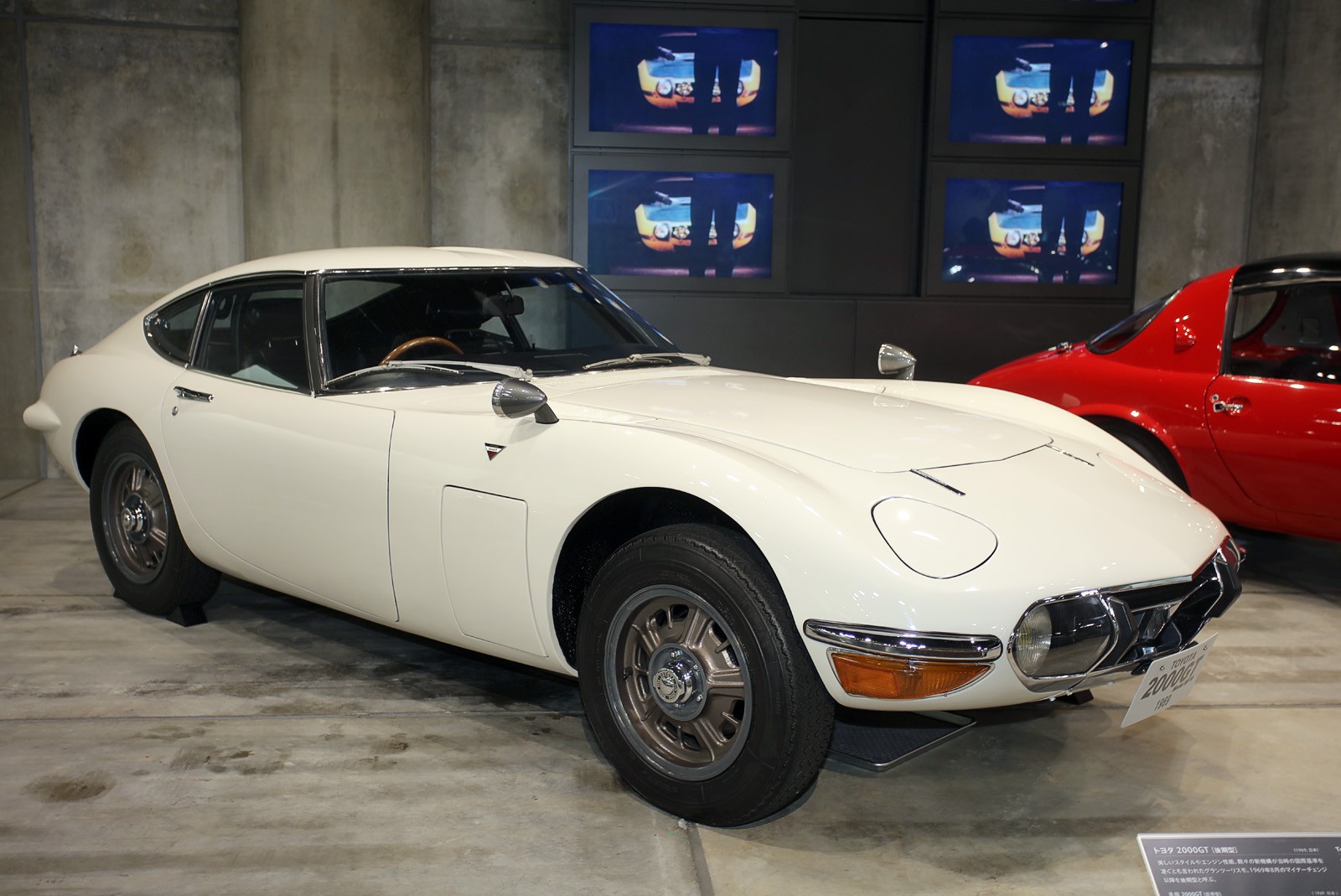
Most people think they know what a Toyota museum is. A shrine to Corollas. A hall of mirrors for Camrys. It’s a safe bet, sure. But step inside the Toyota Automobile Museum near Nagoya, and the vibe shifts instantly. It isn’t about the brand. It is about the machine. The car. The entire, chaotic, beautiful history of moving metal.
Located just 100 minutes from Tokyo via the Shinkansen, this place doesn’t just sell the Toyota story. It tells the global one. From Europe’s early experiments to America’s industrial might and Japan’s post-war rise. Two floors. Nearly 150 vehicles. It’s dense. It’s loud. And if you actually look at the displays, you realize the “sustainable future” timeline is just the end of a very long, strange chain.
They even built a Cultural Gallery recently. It holds toy cars and vintage posters. Little things. The artifacts that show how we obsessed over these machines long before we had the engineering to build them right.
But the cars are the main event. Let’s walk the floor.
Why the First Toyota Wasn’t Originally a Toyoda Car
Start in 1936. Look at the Toyoda Model AA. This is where the legend begins. Before Kiichiro Toyoda dreamed up automobiles, he was building automatic looms for textiles. The transition makes sense when you look at the precision. The AA wasn’t some homegrown invention. It borrowed heavily from American styles. Specifically the DeSoto Airflow. That aerodynamic, odd-looking American sedan? The AA wore its face like a mask.
Under the hood sat a 3.4-liter inline-six. Big for the time. Robust. But here is the twist that trips most visitors up. The car sitting in Nagoya isn’t original.
Only one genuine Model AA exists. It’s rotting in the Louwman Museum across the pond in the Netherlands. The version at Toyota’s museum? A replica. Built by reverse-engineering surviving plans. A ghost made solid again.
Engineering isn’t always about creating from scratch. Sometimes it is about remembering what was lost.
Which Early Cars Invented the Blueprint for Modern Driving
Skip backward. Way back. To 1899.
The Panhard et Levassor Type S2 sits in the “Dawn of the Automobile” section. It looks like a carriage with delusions of grandeur. But look closer at the chassis. Engine in front. Wheels pushing from the back. This layout seems obvious now. It was the revelation then. Panhard et Levassor gave the car its skeleton.
They also gave us the steering wheel. Before that? Tiller handles like boats. Ridiculous. They put a wheel on their 1891 4CV. It raced in Paris that year. To Rouen. It set the stage.
Did Steam Cars Have a Fighting Chance Against Gas?
Look next door. See that sleek, white beast? That’s a Stanley Steamer E2 from 1909 No gas. Just boiling water and pressure. The Stanley brothers came from photography plates, not mechanics. They sold out to Kodak to buy into this obsession.
They built things fast. In 1906 a Stanley rocketed past 127 mph. Land speed record holder. Silently. Smell of hot air, no oil burns.
Why did it die? Complexity. Refueling a combustion engine was messy, yes. But steaming up a boiler took twenty minutes. By then the internal combustion engines had caught up. The Stanleys folded in 1924, leaving behind these ghosts of steam and silence.
How Cadillac Solved the Cold Weather Startup Problem
Enter America’s money and electricity. 1912. Cadillac Model 30.
The electric starter motor changed everything. No hand-crank. No broken wrists. Just a button. Delco provided the juice. 24 volts to spin the engine over. 6 volts to light the lamps. It sounds mundane. Until you imagine a 1911 winter morning without it. The Model 30 didn’t just start; it stayed started. It made the car viable for the masses.
Where Did Luxury Go Wrong Before It Went Right
Finally, look up. Not at the price tag. At the brakes.
The Hispano-Suiza H6b from 1928. French. Arrogant in the best way. This car was considered one of the best in the world when new. Why? Because it applied airplane technology to the street. Servo brakes. All four wheels. And an aluminum 6.6-liter engine with overhead cams. Light. Fast. Expensive.
Then there is the Bugatti Type 35 B from 1927. The legend says it is the most successful racing car of all time. The museum lists it as a treasure. You walk past it, expecting a museum piece. Instead you feel a predator. It was built to win, not to park.
So yes, there are Toyotas here. They are the end goal. But the journey? It involves Dutch replicas, American loom-makers, steam-powered photographers, and French aviation tech.
It makes you wonder if any brand truly owns a category. Or if we are just rearranging the same wheels every century.
The exhibit closes when the clock says so. You can’t keep the history. But you can remember the Type 35. Or the Model AA. Or just the fact that we tried steam once, really tried, and let it burn out.


