America’s oldest automaker is in the red. The Great Depression drained the market and survival became less of a luxury and more of a necessity. In 1939, Studebaker panicked for the 1939 Studebaker Champion. This is more than just a model announcement. This is a desperate move towards lower prices.
Previous attempts to switch to high-end Studebaker President models failed. They lost the battle to Buick. That famous buyer has disappeared. Studebaker had to return to the tricky world of a budget. This is a dangerous practice. Most of the small car manufacturers are disappearing. But Studebaker understood the market better than anyone. they did their homework.
Solutions can come from unexpected places. Raymond Loewy. A passionate and well-known industrial designer. His mantra was simple but brutal: “Weight is your enemy.”
Loewy didn’t just draw lines. He engineered a philosophy. The result is a car that defies industry standards. It’s very light. This is very effective. Designed for long distance riding.
The 1939 Studebaker Champion didn’t just race. It gave real competition to Ford, Chevrolet and Plymouth. While others increased the chrome and volume, Loewy subtracted. He removed the unnecessary content. The result was a machine with a lot of mileage, which looked modern even before the start of the war.
“Weight is the enemy.”
It’s not just about style. This is a survival strategy. This champion proved that efficiency wins in recession. The Studebaker’s lights stayed on. Budget shoppers will find a new favorite. Industry is also paying attention.

164.3-cid L-head
Studebaker designed a special 164.3-cid six-cylinder engine for the lightweight champion. They want a live performance. They want a good economy. It worked.
Owners can get up to 25 miles per gallon. Top speed is 80 mph. This durable L-head was a factory staple until 1960.
Sales follow efficiency. Early announcements of lower fuel consumption contributed to the increase. Champion sold over 30,000 copies in the year of its release. Street vendors love this. This is a budget traveler. Studebaker had its best year since 1928.
1939 Business Coupe
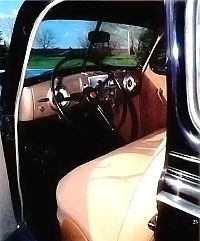
This 1939 Studebaker Champion is a business coupe. There are various unusual options. A pure white surface spreads. You can see the wheel trim ring. I have a real Philco radio. I installed the front bumper cover. The fender has an aftermarket rearview mirror.
Most buyers would not equip their masters with such complex equipment. They keep it simple. Accessories add to the appeal of this successful 1939 model.
Very handsome.
Studebaker’s 1939 value model just couldn’t survive the booming market; It is dominant. You can see the evidence of the mileage of the Derby mud. Often seen at speed racing tracks. The Ford drivers watched in silence. Chevrolet owner? They were having the breakfast of champions.
How Studebaker Captured the Value Segment in 1939
It was no secret that Studebaker was the value leader in 1939. This is a strategic imperative. The Great Depression left retailers with unsold inventory. Consumers’ wallets are empty. Studebaker understands that affordability is more than just the price tag. This is the entry point.
Other manufacturers are also hesitant. They worry about brand dilution. They worry about losing profits. Studebaker has lowered its prices. They remove the excess. They kept their nuclear technology strong. result? moving car.
Kilometer track Derby and speed competition
The Kilometer Derby is more than just a marketing gimmick. These are proofs of concept. The Studebakers escaped. They ran long distances. They ran very far. The driver of the Ford saw the odometer move and realized that his tourer was falling behind.
In speed races, the story is different. It’s not raw horsepower. But reliability is under pressure. The Studebakers stayed put. They didn’t collapse. Does not overheat. Ready.
Chevrolet is correct. Breakfast of champions. A nod to patience. But Studebaker has values. In 1939, values won.
Why Studebaker’s 1939 strategy matters today
We don’t just sell cars. It’s all about placement. Studebaker proves that value and performance are not mutually exclusive. they can coexist. Together they can succeed.
Ford is focused on sales. Chevrolet values brand loyalty. Studebaker focuses on the difference between the two. The average buyer lives in that gap.
1939 Studebaker Legacy
The 1939 Studebaker Value Leader set the precedent. This shows that even small manufacturers can compete. It’s not because of waste. But by tricking them.
Dealers noticed. Buyers noticed. The market has changed. It’s not overnight. But take it slow and steady.
Ford looked. Chevrolet continued eating his breakfast. Studebaker continued.
The road continues.