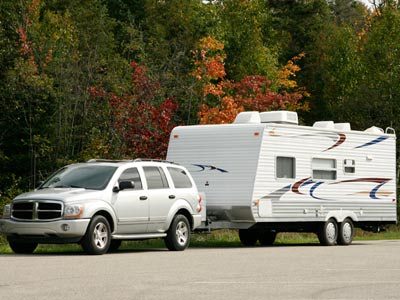
Forget the cubicle. The smell of pine needles and charcoal beats out stale office air any day. You load up the rig, grab the family, and head for the lake. It’s supposed to be a break. A reset.
But then the blue lights flash.
You didn’t get pulled over for speeding. You got hit with a ticket because your trailer clearance lights were off, or your hitch height violated a county ordinance in a state you barely noticed crossing. Or worse, you cause an accident because you ignored the braking distance required for a rig weighing more than your minivan.
Towing isn’t just about horsepower. It’s about compliance. And the compliance map of the United States is a minefield.
Why Trailer Towing Laws Vary by State
You might think driving from Alabama to Mississippi is a straight line. Legally? It’s a border crossing into a different jurisdiction of rules.
Speed limits drop. Width limits shrink. Weight thresholds for mandatory brakes shift.
Take a look at the border between Alabama and Mississippi.
In Alabama, your max towing speed might be one thing. Cross into Mississippi, and that limit drops by 10 mph (16 kph). Your trailer width, legal in one state, might exceed the Mississippi limit by six inches (15 centimeters). Suddenly, you’re non-compliant.
Weight limits aren’t static either.
The threshold for requiring trailer brakes can fall by 1,000 pounds across state lines. If you’re hauling a heavy camper, a setup that’s legal in Georgia might be a liability nightmare in South Carolina.
Even multi-trailer rules are a patchwork.
Hauling a camper and a Jet Ski behind it? That’s fine in South Carolina. Cross into Georgia, and you’re likely breaking the law.
This isn’t about being a jerk to law enforcement. It’s about physics. A trailer adds mass. Mass creates momentum. Momentum kills. The regulations exist because stopping distances increase exponentially with weight. If you don’t have the right brakes, you’re rolling a brick down a hill.
The Non-Negotiables: What Every State Requires
Before you worry about the nuances of interstate travel, you need the basics. These are the minimum standards for trailer towing laws by state that apply almost everywhere in the US.
Lighting and Visibility
If you can’t be seen, you shouldn’t be on the road.
* Taillights : Must be operable. Red lights for the rear.
* License Plate Light : Your plate must be illuminated. No flashlight duct-taped to a fender.
* Brake Lights : The trailer needs its own braking signals. Your tow vehicle’s lights are blocked by the trailer’s body. The driver behind you needs to know you’re slowing down before they crash into your bumper.
* Turn Signals : If the trailer obscures your vehicle’s indicators, you need separate lights on the trailer.
* Reflectors : Invaluable for night driving. They keep your large silhouette visible to oncoming traffic.
Safety Chains
This is common sense, but also a legal requirement in the vast majority of jurisdictions.
The chains must cross in an X shape. Why? If the hitch fails, the chains catch the trailer tongue. The X configuration prevents the tongue from hitting the road and causing a jackknife or spin-out. It keeps the trailer stable even in failure.
The “Checklist” Equipment
Some states demand more. These are the extra layers of protection you might need depending on where you drive.
- Breakaway Brakes : If the hitch detaches, a breakaway system applies the trailer’s brakes automatically. It’s a fail-safe for when you’ve lost control of the tow vehicle.
- Flares : Essential for clearing a section of the road after an accident. You need to mark the hazard.
- Tie-Downs : If you’re carrying gear—bikes, kayaks, generators—you need to secure it at multiple angles. Loose cargo becomes a projectile.
Dimensions and Speed: The Hard Limits
It’s not just about what’s attached. It’s about the size of the attachment.
Width :
Most states cap trailer width at 8 or 8.5 feet. Go wider, and you need special permits. Those six-inch differences between states add up fast.
Length :
The total rig length is often restricted. Some states limit the trailer itself to 35 feet (10.7 meters). The entire combination—truck plus trailer—might be capped at 53 feet (16 meters).
Height :
Typically capped between 12 to 14 feet (3.7 to 4.3 meters). Hit a low bridge because you ignored a height limit, and you’re looking at a very expensive tow and a very angry state inspector.
Speed :
Max towing speed is strictly enforced. In some states, the limit is as low as 45 mph (72 kph). Why? Aerodynamics and stability. A tall, boxy trailer acts like a sail. At higher speeds, crosswinds can push you into another lane. The physics don’t care about your itinerary.
The Braking Reality
Improper braking is the #1 mistake new tower make.
You’re used to stopping a 4,000-pound sedan. Now you’re pulling 8,000 pounds of trailer. The momentum is different. The stopping distance is longer.
Most states require trailer brakes if your rig exceeds a certain weight. That threshold can be as low as 1,500 pounds (680 kilograms). If you’re towing anything substantial, you need electric or surge brakes on the trailer axle.
Without them, your tow vehicle’s brakes do all the work. They overheat. They fade. You slide.
It’s not worth the risk. Install the brakes. Get the inspection. Obey the trailer towing laws by state.
Insurance: The Last Line of Defense
If you ignore the rules, you’re rolling the dice. But even if you follow every rule, someone else might hit you.
Accidents happen. When they do, you need coverage. Standard auto policies often don’t cover trailer damage or liability while towing. You need specific trailer towing insurance to cover the rig, the cargo, and the liability if your trailer causes an accident.
Don’t wait for a collision to find out your policy has a gap. Check your insurer. Ask about the specifics.
The road is open. The family is ready. Just make sure you’re legal.