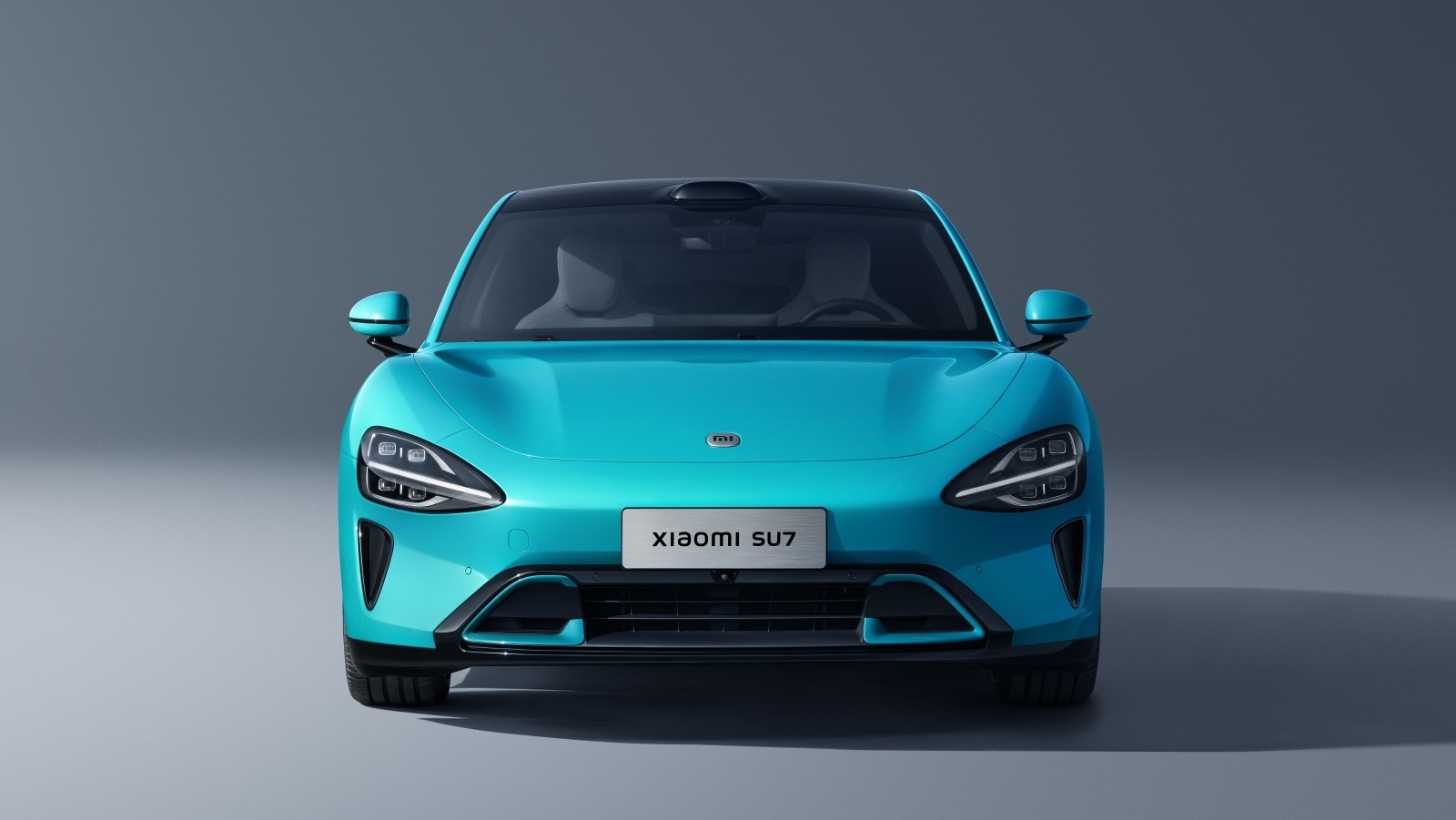
Customers hoping to get behind the wheel of a Xiaomi electric car are facing significantly shorter wait times. Two popular models, the SU7 Pro and SU7 Max, now boast delivery estimates between 6 to 9 weeks — a dramatic shift from the previous 30-week wait. This rapid turnaround likely signifies boosted production capabilities at Xiaomi’s factories or perhaps even a change in order volume.
This accelerated timeline means eager buyers who place orders today could potentially receive their vehicles before the end of the year, which may be advantageous given potential purchase tax incentives expiring for deliveries in 2026. Interestingly, the more basic SU7 standard model is still stuck with a delivery window of 29 to 32 weeks, highlighting an interesting discrepancy within Xiaomi’s production strategy.
The performance-oriented SU7 Ultra, based on the standard model, has maintained its consistently speedy 6 to 9 week delivery time since September. Meanwhile, another model, the Xiaomi YU7, continues to experience a longer wait of 32 to 38 weeks.
Production Ramp-Up Drives Deliveries
These revised delivery times follow reports from Sina in early November 2025 outlining Xiaomi Auto’s ambitious expansion plans. The company aims to shatter its current production capacity by unleashing a trio of new factories: Beijing Phase II, Beijing Phase III, and the Wuhan factory. Xiaomi’s goal? To surpass 1 million vehicles produced annually by 2026, with an eye on hitting 1.2 million units the following year.
This aggressive target is seemingly within reach given Xiaomi Auto’s current operational intensity. In earlier 2025 reports, the company highlighted its Beijing Phase I factory operating at a nearly unprecedented utilization rate approaching 200% — far exceeding industry standards. Designed for an annual output of 150,000 units, this factory has achieved significantly higher production through continuous double-shift operations. Adding to this capacity potential is the forthcoming Beijing Phase II factory, also with a 150,000 unit target, which will operate at the same intensified rate if everything goes according to plan.
Even more firepower is on the horizon: the Beijing Phase II Plus (Phase III assembly workshop) is primed to start rolling out vehicles post-Chinese New Year in 2026, and the Wuhan Phase I factory is slated to open in May 2026. With a projected monthly capacity of 35,000 units by October of that year, it signals Xiaomi Auto’s steadfast commitment to scaling up production. If these ambitious expansion plans materialize smoothly — coupled with any potential acquisition strategies — Xiaomi Auto could indeed hit its target of 1.2 million units annually.
These developments underscore the rapidly accelerating pace of China’s electric vehicle market, with newcomers like Xiaomi aggressively challenging established players and pushing the boundaries of production capacity. It remains to be seen whether these aggressive targets will translate into sustained success in a fiercely competitive sector.