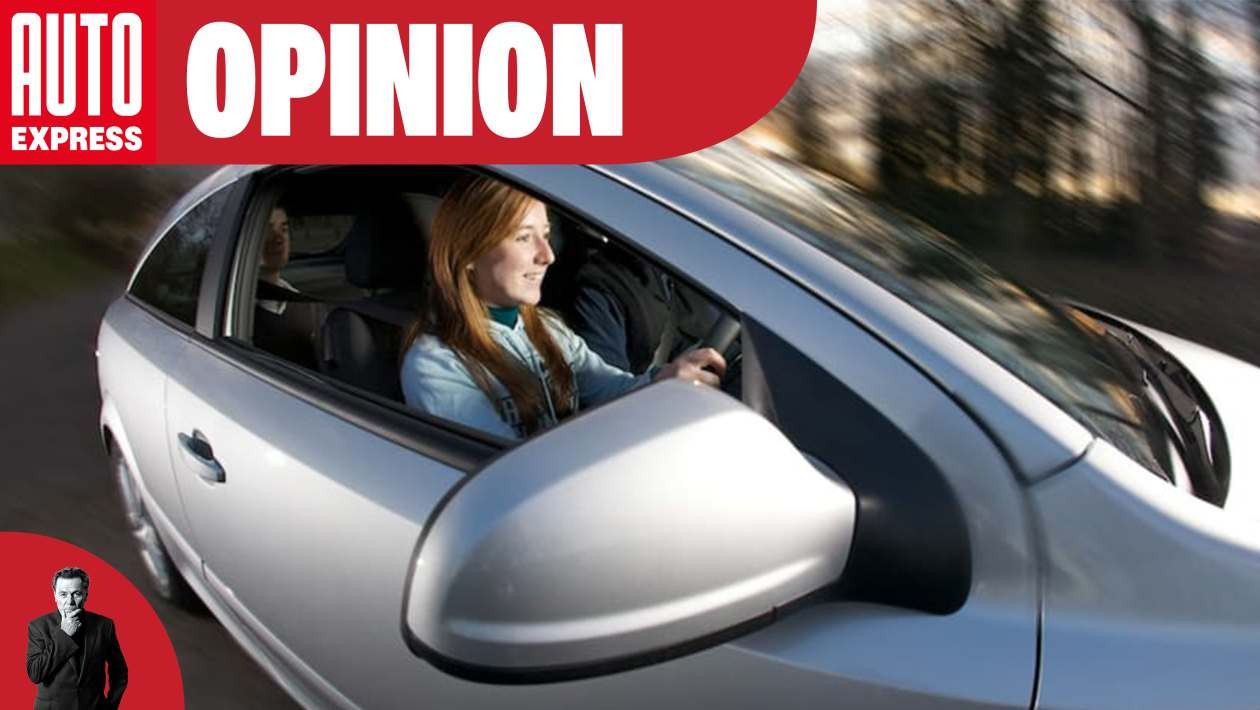
Driving is often romanticized as a simple rite of passage, but in reality, it represents a complex economic and social lifeline. For both the elderly seeking to maintain their dignity and young adults trying to launch their careers, the ability to hold a steering wheel is far more than a legal privilege—it is a fundamental component of personal autonomy.
However, this independence is under siege from two opposing directions. On one end, rising costs and physical decline are forcing experienced drivers off the road. On the other, financial barriers and complex licensing hurdles are preventing the next generation from ever getting behind the wheel.
The Crisis of the Mature Driver
For decades, holding a driver’s license has been synonymous with self-reliance for older adults. A fit, capable senior driver is not merely commuting; they are maintaining an active social life, accessing healthcare, and avoiding isolation. This is particularly critical for those in rural areas, where public transport infrastructure is often sporadic, unreliable, or non-existent.
Yet, a growing number of veteran motorists are being pushed out of their cars. While age-related factors—such as deteriorating eyesight, reduced confidence, and difficulties with night driving—play a role, the primary driver of this trend is economic.
- Soaring Costs: Inflation has drastically increased the price of fuel, vehicle maintenance, and insurance.
- Regulatory Pressure: Stricter motoring rules and heavy fines have made driving a more stressful and expensive endeavor.
When these financial pressures combine with physical limitations, the result is a loss of freedom. For many seniors, giving up the car is not a choice but a forced retirement from public life, severely compromising their quality of life and social connections.
The Barrier to Entry for Young Drivers
Conversely, young people face a steep climb just to enter the system. Passing a driving test is no longer just about demonstrating skill; it is a significant financial milestone that precedes other major life achievements, such as homeownership or career advancement.
The stakes are high because driving expands opportunities. A valid license allows young adults to:
1. Access jobs located outside of public transit networks.
2. Build wider social circles beyond their immediate neighborhood.
3. Explore parts of the country that trains and buses do not serve.
Despite these benefits, the path is fraught with expensive insurance premiums and rigorous testing standards. The result is a “car-ownership ladder” that is increasingly difficult to climb, leaving many young adults dependent on unreliable public transport or family members for mobility.
A Disconnect in Industry Dialogue
The conversation around driving is currently happening in silos, often disconnected from the everyday motorist. Recent events highlight this divide:
- The Mature Drivers’ Conference in Birmingham and the Young Driver Focus event in London are important discussions, but they tend to attract politicians, academics, and safety experts. Tickets are often expensive and limited, excluding the ordinary drivers who need practical, accessible advice.
- The British Motor Show in Farnborough offers a more inclusive alternative. By providing free entry for children accompanied by adults and offering supervised driving experiences, it bridges the gap between industry and the public. It serves as a rare space where practical advice on car design, maintenance, and driving is accessible to all ages.
Why This Matters
The decline in driving independence among seniors and the rising barriers for youth signal a broader societal shift. As driving becomes more expensive and less accessible, the gap between those who can afford mobility and those who cannot widens. This threatens to increase social isolation among the elderly and limit economic mobility for the young.
Conclusion
Driving remains a critical skill for adult life, offering freedom that no other mode of transport can fully replicate. However, without addressing the economic and structural barriers facing both new and experienced drivers, this essential form of independence risks becoming a luxury rather than a right.