Chinese automaker BYD, renowned for its electric vehicle (EV) dominance, is now integrating a flat-four boxer engine into its extended-range hybrid powertrains. This move is surprising given the company’s focus on electrification, but the unusual choice is driven by practical engineering advantages.
The Rise of Extended-Range Hybrids
BYD has been expanding its DM-i technology, which combines electric motors with gasoline engines for exceptional fuel efficiency and long driving ranges—over 620 miles (1,000 km) in some cases. The new boxer engine takes this further by functioning primarily as an on-board generator to recharge the battery, effectively extending the electric range.
Why a Boxer Engine?
While typically associated with brands like Porsche and Subaru, the boxer configuration offers key benefits:
- Lower Center of Gravity: The flat layout improves handling and stability.
- Compact Design: Dry-sump lubrication and optimized cooling systems reduce engine size and noise.
- Quiet Operation: BYD claims the engine produces only 1 decibel more noise than an electric motor at idle—making it nearly silent.
The 2.0-liter turbocharged boxer engine isn’t just a generator, though. It can also deliver 272 horsepower and 280 lb-ft of torque directly to the rear wheels under specific driving conditions, adding extra performance when needed.
The Yangwang U7: First Application
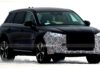
The boxer engine will debut in the Yangwang U7, a luxury sedan from BYD’s premium brand. Unveiled in China in early 2025, the plug-in hybrid version will start at around $88,500 (¥628,000). The U7 represents a shift towards higher-end vehicles for BYD, leveraging the unique combination of electric and combustion technology.
Implications for the Future
This development highlights a growing trend: automakers exploring hybrid solutions that bridge the gap between fully electric and traditional combustion vehicles. BYD’s boxer engine is a bold example, demonstrating that even established EV manufacturers are willing to experiment with unconventional powertrains to meet consumer demand for both efficiency and range.