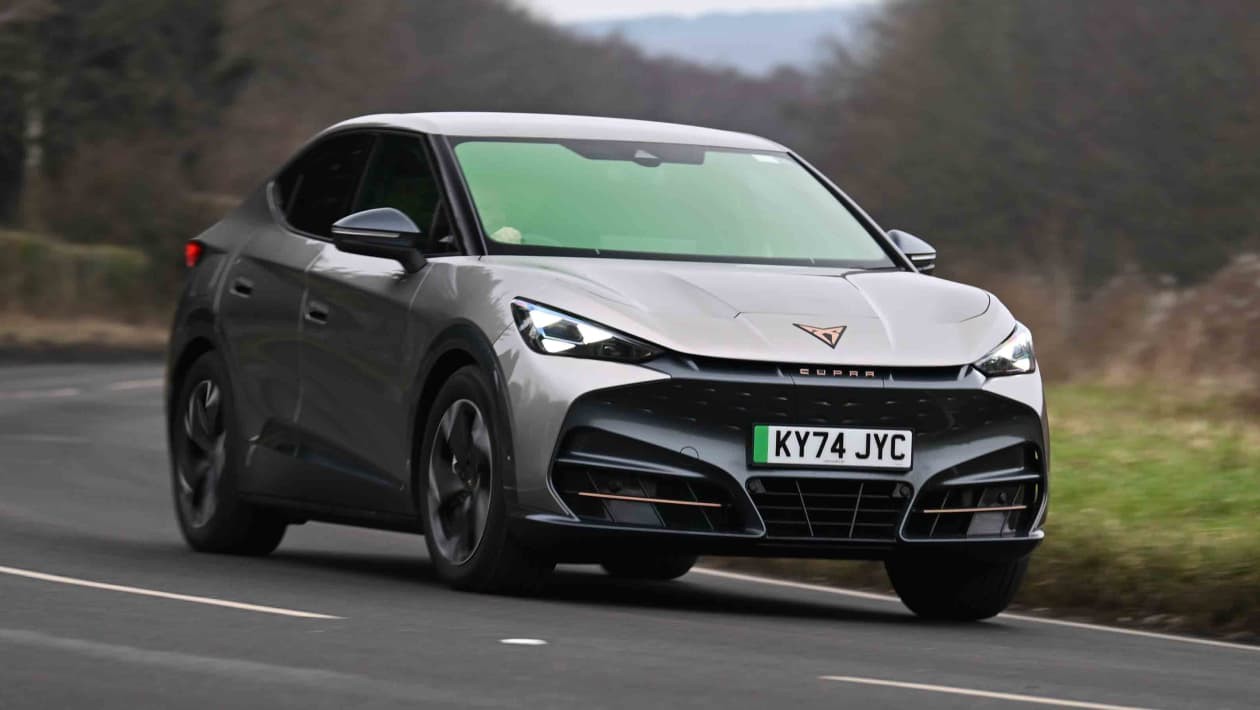
The Cupra Tavascan, an all-electric SUV manufactured in China, will be sold in Europe without facing additional import tariffs. This outcome follows a negotiated deal between Volkswagen Group and the European Union, potentially setting a precedent for other automakers – including MINI, Smart, and Volvo – who also produce vehicles in China.
The Tariff Issue and VW’s Deal
Under standard EU trade rules, Chinese-built electric cars are subject to a 20.7% countervailing duty on top of the usual 10% import tariff. This extra charge aims to offset subsidies provided by the Chinese government to its manufacturers. However, Volkswagen secured an exception. The EU approved VW’s request under two key conditions: an import quota and a minimum sales price.
The Tavascan now starts at €45,420 in Spain (roughly £40,000) – about €1,400 higher than last year’s price. In the UK, the model costs £47,350 while still only incurring the standard 10% tariff.
Why This Matters: Geopolitics and Trade
This deal highlights the growing tension between protecting domestic industries and facilitating global trade in the electric vehicle market. The EU’s willingness to negotiate suggests a pragmatic approach to securing supply chains while addressing concerns about unfair competition.
The EU justified the agreement by stating that VW’s minimum pricing “would not be injurious to EU industry” and that the company is committed to investing in European EV projects. This implies a trade-off: tariff relief in exchange for continued investment within the EU.
Implications for Other Brands
Several European brands, including Dacia, Polestar, Volvo, and Lotus, currently import vehicles from China. However, each case will be assessed individually. The situation is particularly complex for MINI, which paused plans to restart production of its electric hatch in Oxford. A tariff reprieve could make Chinese imports more profitable, but this may come with import quotas.
MINI’s ownership structure – a joint venture between BMW and China’s Great Wall Motors – complicates the EU’s assessment of its origin for tariff purposes. Volvo, Geely, and Mercedes (through its Smart brand) are also navigating similar issues, with some brands already relocating production to avoid tariffs. For example, Volvo’s EX30 is now made in Belgium, and Dacia’s Spring EV will be manufactured in Slovenia from 2026.
The Tavascan’s Production History
Volkswagen initially chose to build the Tavascan in China because its European factories were at capacity. According to Cupra CEO Markus Haupt, there were no tariff discussions when the decision was made. The company invested heavily in the Chinese facility, making a relocation impractical.
“Producing it in China was maybe our only opportunity to get this car,” Cupra CEO Markus Haupt said. “We went for it, because when we took the decision, there were no tariff discussions at that moment, and it was a profitable business case. But [then] we had some surprises.”
The Tavascan V1 boasts a 77kWh battery with a 337-mile range and accelerates from 0 to 62 mph in 6.8 seconds. It is also sold as the ID.UNYX in China.
In conclusion, the Cupra Tavascan tariff exemption underscores the EU’s willingness to negotiate trade terms with automakers that maintain investments within the region. This move sets a precedent for other brands producing cars in China, but individual cases will be evaluated based on unique circumstances, potentially reshaping the landscape of EV trade between Europe and China.