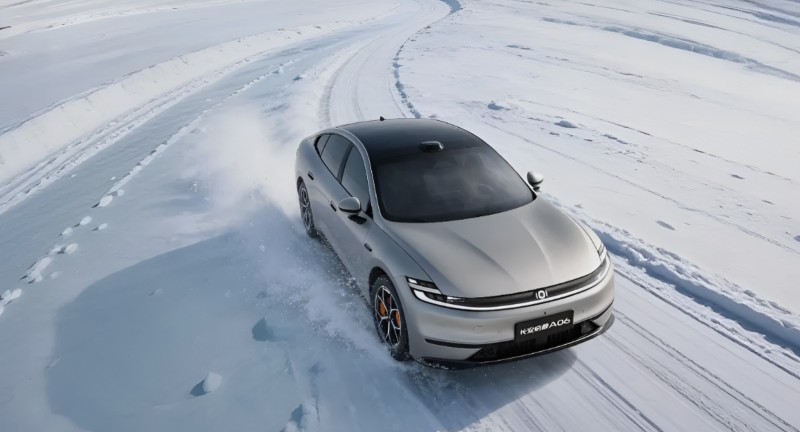
Chinese automotive giants CATL and Changan are ramping up development of sodium-ion batteries, with a focus on cold-weather performance. On February 5th, Changan will host a conference in Inner Mongolia to unveil its sodium battery strategy and showcase joint testing results with CATL. This push signals a serious effort to diversify battery technology beyond lithium, particularly as costs for lithium-based batteries continue to rise.
Sodium Batteries: A New Alternative
The move toward sodium-ion batteries is driven by both economic and performance factors. Sodium is significantly more abundant and cheaper than lithium, making it an attractive alternative for price-sensitive applications. More importantly, sodium-ion batteries retain capacity better in cold temperatures – a critical advantage for EVs in northern climates. CATL’s “Naxin” brand is already undergoing real-world winter testing in passenger vehicles, with models from Changan and other automakers (including GAC and JAC) joining the trials.
Why Now? The Lithium Price Factor
Rising lithium prices are a key driver behind this shift. While current sodium-ion batteries don’t match lithium iron phosphate (LiFePO4) in energy density, they offer cost stability and superior cold-weather performance. This makes them ideal for entry-level EVs and specialized vehicles where extreme temperature resilience is essential. CATL has already launched its Tianxing II series for light commercial vehicles, boasting an energy density of 175 Wh/kg and full compliance with China’s latest safety standards.
The 2026 Timeline: Mass Deployment on the Horizon
CATL plans large-scale sodium-ion battery deployment by 2026, across battery-swapping systems, passenger cars, commercial vehicles, and energy storage. The event in Yakeshi, a known cold-weather testing ground, underscores the urgency of this development. Chinese automakers are accelerating testing to meet this timeline, with sodium-ion batteries positioned as a complementary technology to lithium, rather than a direct replacement.
The collaboration between CATL and Changan is a clear indicator that sodium-ion batteries are poised to become a significant force in the EV market. Their focus on cold-climate performance addresses a key weakness of lithium-based batteries, while the lower material costs provide a competitive edge. This strategic move will likely reshape the battery landscape in China and beyond.