Caterham, the British manufacturer of the iconic Seven sports car, has announced a series of refinements for the 2026 model year. These updates include both visual enhancements and interior improvements, all while maintaining current pricing. The move comes as the automotive industry rapidly transitions towards electric vehicles, positioning the Seven as a timeless alternative for enthusiasts.
Exterior Refreshments
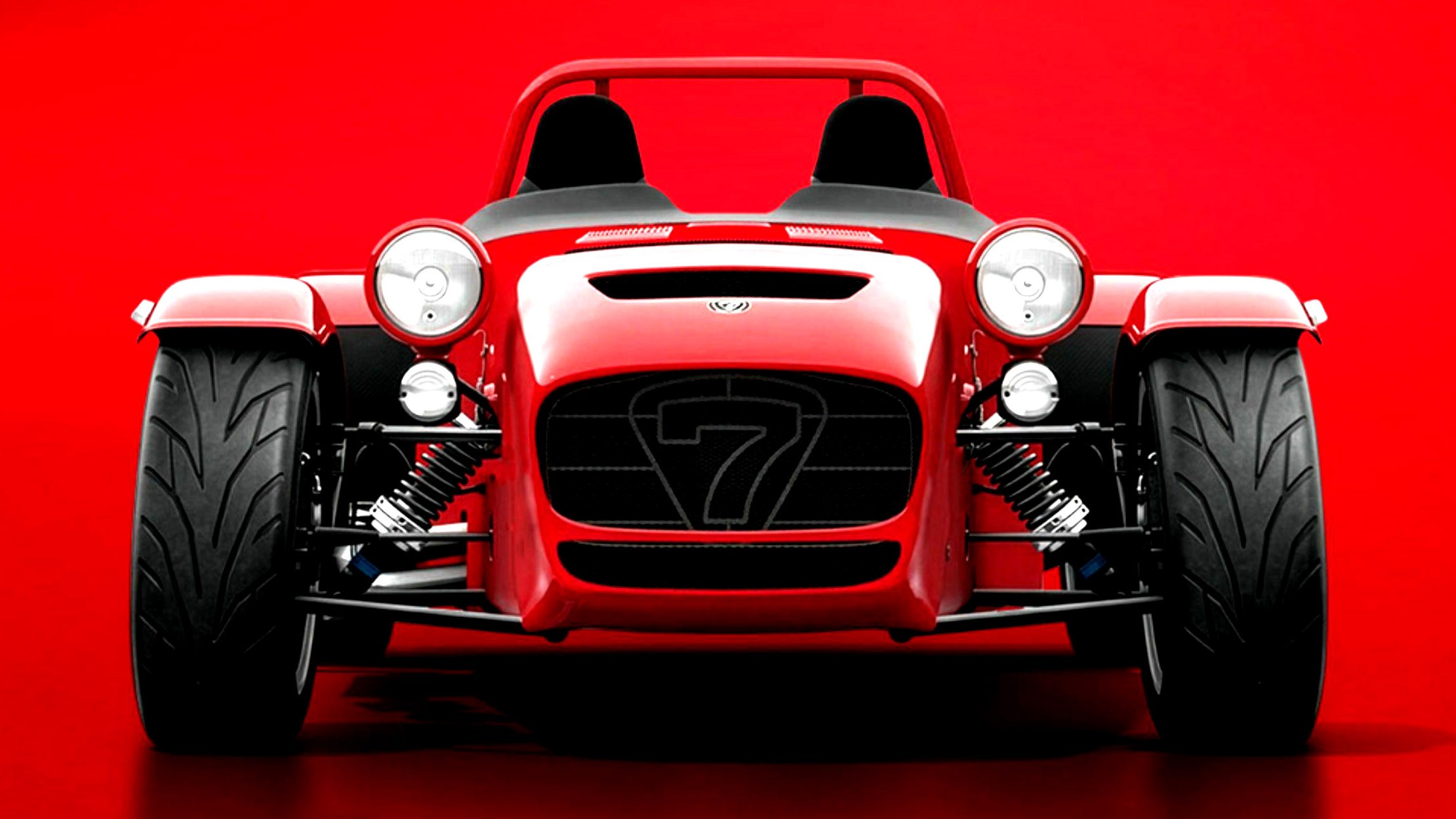
The updates primarily focus on modernizing the Seven’s appearance without sacrificing its classic identity. A new “Clear Lens Pack” gives the round headlights a cleaner, more contemporary look. The headlight casings and roll bar now come standard in body color instead of black, creating a more cohesive aesthetic.
Caterham has also expanded its color options to include eight new finishes. These range from standard shades like Poppy Red and Blacksmith to premium and exclusive colors such as Sunset Riot, Heritage Sage, Chainmail Silver, Viola Parsifae, and Ice Forest Green – the latter being previously showcased on the fully electric Project V concept.
Interior Improvements
Inside, the 2026 Seven receives upgraded seating. The S-pack trim now features new leather seats with “Seven” embroidery on the backrest (available as an option for the R-pack). Both S- and R-pack models also gain a standard black leather tunnel top, adding a touch of refinement to the minimalist cabin.
Customization Options
Caterham continues to offer a high degree of customization. Several no-cost options are available, including a sportier 620 nosecone for all variants, amber indicators, and choices between black or chrome headlight casings. Buyers can also select different finishes for the roll bar.
Powertrain Remains Unchanged
The engine lineup remains consistent, featuring the turbocharged 660cc Suzuki engine and the 2.0-liter Ford Duratec in naturally aspirated and supercharged forms. Output varies from 84 horsepower in the base Seven 170 to 310 horsepower in the flagship Seven 620.
Why This Matters: The continued development of the Caterham Seven demonstrates a commitment to preserving analog driving experiences in an increasingly digital automotive landscape. This is particularly relevant in Europe and Japan, where stricter emissions regulations recently forced the discontinuation of the higher-powered naturally aspirated models (Seven 485 and 485 CSR Final Editions). By keeping the Seven fresh, Caterham reinforces its niche appeal as a raw, engaging alternative to modern, tech-laden cars.
The Seven’s enduring popularity reflects a demand for authentic driving pleasure, something many manufacturers are leaving behind in the pursuit of electrification.
These updates ensure the Caterham Seven remains a relevant and desirable option for enthusiasts who value simplicity, performance, and a connection to automotive history.