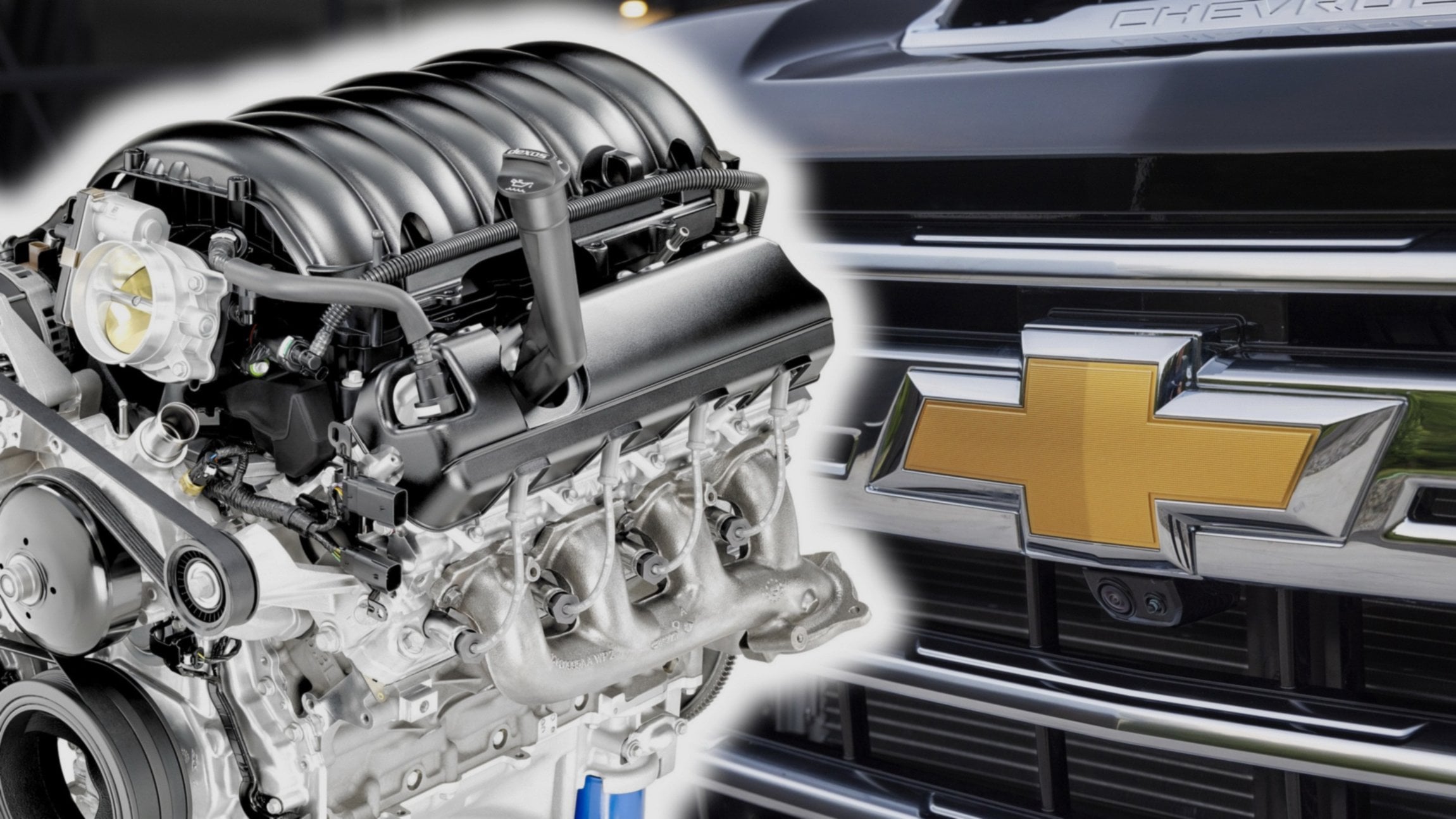
General Motors has quietly updated its oil specification for the L87 V8 engine – the same engine at the heart of a major recall and a string of customer lawsuits. The company is now instructing dealers to switch from Mobil 1 Supercar 0W-40 to Mobil 1 FS 0W-40 for vehicles undergoing inspection as part of the ongoing recall process.
Recall Background and Customer Complaints
The change comes after GM recalled approximately 600,000 vehicles in the U.S. following a federal investigation spurred by tens of thousands of owner complaints. The core issue centers around potential rod bearing contamination and crankshaft defects that can lead to engine failure. Vehicles failing inspection receive full engine replacements, while those passing get an oil change as a temporary fix.
This situation highlights a broader trend: manufacturers facing significant quality control issues often adjust procedures incrementally rather than implementing sweeping changes. The sheer volume of complaints made even minor updates subject to intense scrutiny.
Why the Oil Switch? Cost and Availability
According to industry sources, the shift from Supercar to FS is primarily driven by cost and supply chain logistics. Supercar 0W-40 is more expensive and harder to source consistently, while FS 0W-40 offers a readily available and cheaper alternative.
Despite the change, both oils meet the 0W-40 viscosity standard. However, key differences exist in their intended applications.
Supercar vs. FS: Performance vs. Durability
Mobil 1 Supercar is explicitly marketed for high-performance vehicles like Corvettes and Camaros, designed to withstand aggressive driving and even track use. Its formulation prioritizes peak performance under extreme conditions. The FS blend, conversely, is positioned as a more versatile option suitable for a wider range of engines, emphasizing long-term durability under “mild to extreme” conditions.
The FS blend reportedly contains slightly higher levels of phosphorus and zinc (ZDDP), key anti-wear additives that form a protective film on metal surfaces. This suggests it may offer marginally better protection under heavy loads, even though the difference is likely small.
What This Means for Owners
GM’s decision to switch oils doesn’t fundamentally alter the core engine problems. It’s a cost-optimization move made while the company continues to address the underlying issues through recalls and replacements. While the oil change itself won’t prevent failures, it does signal that GM is prioritizing efficiency in its remediation process.
The bigger question remains whether the recall and oil change are enough to restore customer confidence in the L87 V8. The lawsuits and ongoing complaints suggest that trust has been severely damaged, and resolving this will require more than just a lubricant adjustment.