BYD is aggressively expanding its Shark 6 plug-in hybrid (PHEV) ute lineup, introducing two new configurations designed to capture different segments of the utility vehicle market. The expansion includes a budget-friendly cab/chassis model for commercial users and a high-output Performance variant aimed at heavy-duty towing and enthusiasts.
Expanding the Range: The Dynamic Cab/Chassis
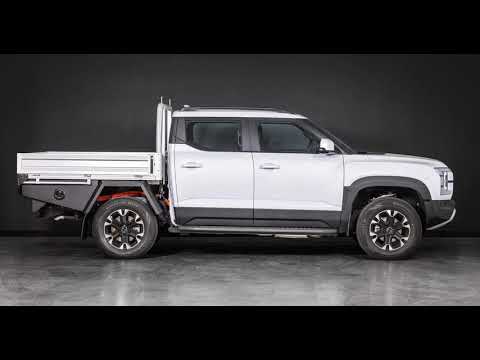
To appeal to tradespeople and fleet buyers, BYD has launched the Dynamic cab/chassis. This entry-level option is priced at $55,900 (before on-road costs), sitting $2,000 below the existing Premium model.
While it retains the core hybrid powertrain, the Dynamic trim offers fewer luxury features to keep costs down:
– Smaller Infotainment: The screen is reduced from 15.9 inches to 12.8 inches.
– Reduced Amenities: It lacks premium features such as a head-up display, ventilated seats, and rain-sensing wipers.
– Customization: BYD is partnering with Ironman 4×4 to offer an optional heavy-duty alloy tray equipped with lockable storage and tie-down points, though pricing for this accessory is yet to be confirmed.
Pushing Limits: The New Performance Variant
Arriving in May, the Performance model is positioned as the flagship of the range, priced at $62,900 (before on-road costs). This variant is specifically engineered to compete with established heavy-hitters like the Ford Ranger PHEV.
Key upgrades in the Performance model include:
– Increased Power: A larger 2.0-litre turbocharged engine boosting output to 350kW and 700Nm.
– Enhanced Towing: The braked towing capacity jumps from 2,500kg to 3,500kg, a critical metric for serious utility users.
– Improved Speed: A 0–100km/h sprint time of just 5.5 seconds.
– Efficiency: Despite the power bump, fuel consumption is projected at 1.3L/100km (with a battery charge above 25%).
Advanced Off-Road Capability
BYD is also introducing a new Crawl Mode via an over-the-air software update later this year. Designed to complement the existing Mountain Mode, Crawl Mode limits the vehicle to 20km/h and continuously adjusts torque to navigate rocks, deep ruts, and steep inclines without wheel slip.
Notably, the Shark 6 utilizes double-wishbone independent suspension both front and rear—a sophisticated setup rarely seen in the ute segment, which typically relies on leaf springs for load carrying.
Market Context: A Rising Challenger
The expansion comes on the heels of BYD’s massive success in the Australian market. Last year, BYD moved 18,073 units of the Shark 6, significantly outselling rivals like the GWM Cannon Alpha and Ford Ranger PHEV. This volume helped the Shark 6 become Australia’s 18th best-selling vehicle overall.
By introducing a “workhorse” cab/chassis and a “powerhouse” Performance model, BYD is attempting to transition from a single-model niche player to a comprehensive competitor across the entire utility vehicle spectrum.
Summary: BYD is diversifying the Shark 6 lineup with a budget-friendly cab/chassis for work and a high-performance 3,500kg-towing variant to challenge established leaders in the PHEV ute market.