A recall isn’t just a polite suggestion. This happens when a manufacturer or government safety agency discovers a defect that could compromise safety. The clock doesn’t matter. It doesn’t matter where you are. If you buy a new or used car, the manufacturer has a legal obligation to solve any problems free of charge. Repairs must be carried out by a franchised dealer. It doesn’t matter if the vehicle was bought elsewhere or has a second owner. The liability is based on the car, not the sale.
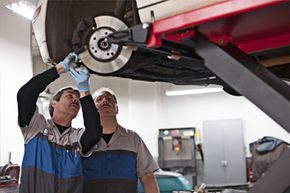
Contact the service of your local dealer. Make an appointment. They may not welcome you with open arms. It costs money and time to recall repairs, but there is no profit. Don’t let this hesitation stop you. By law, they have to do the work for free.
But there’s a problem. If you have just bought or are considering buying a used car, you may have noticed some scary details. Some recalls involve catastrophic failures. These repairs cannot be postponed. The National Highway Traffic Safety Administration (NHTSA) is tracking these issues, and the stakes are high.
How to check for pending recalls
You need to know if your particular vehicle has any pending safety work. The Vehicle Identification Number (VIN) is the key. Enter it into a service like NHTSA’s recall check tool or CARFAX. CARFAX reports that one in six cars on the road has an open recall. This makes up a large part of the used market.
You can also visit the manufacturer’s website. Call dealer service. Include the VIN number as well as the make, model and year. This information will give you accurate information.
If you buy a used car from a dealer affiliated with the manufacturer, there shouldn’t be any outstanding recalls when the car enters the market.
When shopping at brand-affiliated retailers, the inventory must be clean. If there are recalls remain, ask them to complete the work before signing. There is no legal requirement to address or disclose these matters before selling the car. But eventually these problems can be solved. It is in their interest to be transparent. Dealing with problems early can avoid problems later.
Used car dealers operate differently. They are not subject to the same strict recall procedures as new cars. This means that known defects can be left unattended. This is why you need to verify the VIN yourself. Don’t just take the seller’s word for it. Verify it.
There are also minor recalls. A loose clip. Software error. Others are major. Airbags that fail to deploy. Fuel lines that leak. The difference is obvious. It’s annoying to ignore small problems. Ignoring a major one is dangerous.
The process is simple. Find your vehicle identification number. Check the Road Safety Agency’s database. Contact your dealer. Get the repair done. It takes more time, but the alternative is risking your safety. Why gamble with a known defect? The manufacturer’s warranty always covers these repairs. You have nothing to lose but your caution.
Things changed when I went to the service center with the recall notice. You aren’t asking for a favor. You demand what you are legally owed. Dealerships know this. They can delay. Persistence pays off. Show up. Ask for the status. Get it done.
The used car market is full of hidden issues. Recalls are just one layer. But they are the most urgent. Please fix them first. Then worry about the rest.