You know that feeling when your hatchback is overloaded and it sinks. You are in a hardware store and you are holding boxes and tiles. In the third box, the rear bumper was closer to the road and the front bulged towards the sky. The suspension screams. This is obvious. Your little car wasn’t designed that way.
Now imagine the same scenario in a full-size pickup truck. Handles better. More tiles are needed to make it sink. The frame is relatively rigid. Spring is heavy. But if you push too hard, you’ll still hit bottom.
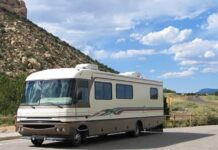
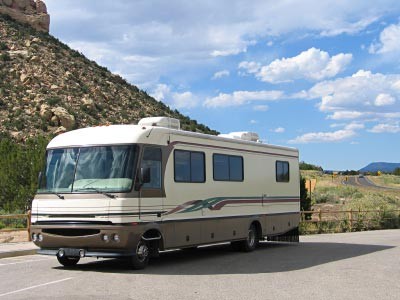
Then there’s the RV. If you load a box of the same tiles into a Class A diesel pusher, nothing happens. The rear bumper no longer moves. The frame is huge. The suspension is tuned to hold hundreds of pounds of furniture, equipment and a dozen sleeping passengers. You may not feel the weight unless you look at the meter.
So how do you know when your RV has crossed the line? When is too much?
The answer is not a guess. This is a special number called Cargo Carrying Capacity (CCC). This is the maximum weight of passengers, gear and supplies you can safely add to your RV. If you exceed this, you risk structural damage, suspension damage, or worse.
Calculating your RV’s CCC is not complicated. This is simple subtraction. Start with the gross vehicle weight (GVWR). This is the maximum vehicle weight that the vehicle can carry, including the vehicle itself, liquids, passengers and cargo, according to the manufacturer. Then subtract everything else that isn’t “cargo” in the traditional sense.
This is the exact breakdown you need to find to find that limit.
Calculation formula for motorhome cargo capacity
To determine the specific cargo capacity, follow the steps below using the information on the RV’s certification sticker or manual.
-
Start with Gross Vehicle Weight (GVWR)
This is the maximum weight limit. Let’s use a hypothetical RV with a GVWR of 20,000 pounds. -
Minus unladen vehicle weight (UVW)
UVW is the factory weight of the motorhome. This includes a full tank of fuel, oil, coolant and all standard equipment. This “does not include” fresh water, propane or passengers. -
UVW Example: 14,500 lbs
-
Minus Sleeping Capacity Weight Rating (SCWR)
This is a fixed weight tolerance for humans. The American RV Manufacturers Association requires calculations to be based on 154 lbs per sleeping position. This is the average weight of an adult plus clothing and equipment. -
Example: 6 sleeping positions x 154 lbs = 924 lbs
-
Reduce propane (LPG) weight
Propane weighs about 4.2 pounds per gallon. The weight of the entire LPG tank installed in the vehicle must be subtracted. -
Example: 12 gallons x 4.2 pounds = 50.4 pounds
-
Reduce freshwater weight
Water is heavy. It weighs 8.3 pounds per gallon. Subtract the weight of a full fresh water tank. -
Example: 25 gallons x 8.3 lbs = 207.5 lbs
-
The result is your cargo capacity (CCC)
Take the GVWR and subtract UVW, SCWR, propane and fresh water.
20,000 (GVWR)
* – 14,500 (UVW)
* – 924 (SCWR)
* – 50.4 (propane)
* – 207.5 (fresh water)
* = 4,318.1 pounds (CCC) *
4,318.1 pounds is a hard limit. Everything else is covered, including luggage, food, pets, aftermarket accessories and any other cargo loaded after the initial sale. Never exceed this number. If you hit this, your RV will be overloaded.
Where to find specific information
If you drive an RV, the manufacturer will give you these numbers. If you’re buying a used car, look for the certification sticker on the driver’s side door frame or frame rail. If your car is new, the technical information can be found in the owner’s manual or on the manufacturer’s website.
If you’re looking for standard car and truck weight data, the calculations are slightly different. Often listed is vehicle weight and total vehicle mass, the difference is load capacity. Payload includes passengers, fuel and cargo.
For those interested in specific vehicle measurements, manufacturers such as Acura, Audi and BMW publish detailed weight information for their models. The annual cargo capacity of these brands is as follows: Note that these numbers usually refer to volume capacity in cubic feet or weight-based load limits, depending on the source information provided by the manufacturer.
Acura cargo capacity
| Year | Model | Load capacity (cubic feet) |
|---|---|---|
| 2006 | MDX | 81.5 |
| 2006 | RL | 13.1 |
| 2006 | RSX | 25.3 |
| 2006 | TL | 12.5 |
| 2006 | TSX | 13.2 |
| 2007 | MDX | 83.5 |
| 2007 | RL | 13.1 |
| 2007 | RDX | 60.6 |
| 2007 | TL | 12.5 |
| 2007 | TSX | 13.2 |
| 2008 | MDX | 83.5 |
| 2008 | RL | 13.1 |
| 2008 | RSX | 60.6 |
| 2008 | TL | 12.5 |
| 2008 | TSX | 13.2 |
| 2009 | MDX | 83.5 |
| 2009 | RL | 13.1 |
| 2009 | RSX | 60.6 |
| 2009 | TSX | 12.6 |
Acura Details:
– Acura GVWR
– Acura GAWR
– Acura GCWR
– Acura Curb Weight
– Acura Payload
– Acura towing capacity
Audi cargo capacity
Year Model Load Capacity (Cubic Feet)
— |— |—
2006 |A3 |54.6
2006 |A4 |13.4
2006 |A6 |15.9
2006 |A8 |14.6
2006 | S4 | 13.4
2006 |TT |24.2
2007 |A3 |54.6
2007 |A4 |13.4
2007 |A6 |15.9
2007 |A8 |14.6
2007 | Q7 | 88.7
2007 | RS4 | 13.4
2007 | S4 | 13.4
2007 | season 6 | 13.9
2007 | S8 | 14.6
2008 |A3 |54.6
2008 |A4 |10.2
2008 |A5 |16.1
2008 |A6 |15.9
2008 |A8 |14.6
2008 | Q7 | 88.7
2008 |R8 |3.5
2008 | RS4 | 13.4
2008 | S4 | 13.4
2008 | season 5 | 16.1
2008 | season 6 | 15.9
2008 | S8 | 14.6
2008 |TT |8.8
2009 |A3 |54.6
2009 |A4 |10.2
2009 |A5 |16.1
2009 |A8 |14.6
2009 | Q7 | 88.7
2009 |R8 |3.5
2009 | S4 | 10.2
2009 | season 5 | 16.1
2009 | S8 | 14.6
2009 |TT |8.8
Other Audi technical data:
– Audi GVWR
– Audi GAWR
Buick’s Spacious Family Haulers
When you are looking at Buick models from the mid-to-late 2000s, the cargo space tells a story of shifting priorities. The sedan segment remained modest. The 2006 through 2009 Buick LaCrosse offered just 16 cubic feet in its trunk. That is enough for a weekend getaway bag, but not much else. The Buick Lucerne fared only slightly better, providing 17 cubic feet across those same years.
If you needed actual utility, you looked at the SUVs. The Buick Rainier, which shares its underpinnings with the GMC Envoy, held 80.1 cubic feet. It was a functional mid-size option. But the real volume came from the larger platforms. The Buick Rendezvous started strong in 2006 with 108.9 cubic feet. It kept that number steady through 2007 before disappearing.
The entry of the Buick Enclave marked a significant jump in capacity. Debuting in 2008, it offered 116.2 cubic feet. The following year, 2009, saw a slight dip to 115 cubic feet. Why the change? Likely a refinement in seat folding mechanisms or packaging adjustments, but the difference is negligible for most users. The Buick Terraza, essentially a rebadged Saturn Outlook, dominated the chart in 2006 and 2007 with a massive 136.5 cubic feet.
Cadillac’s Luxury and the Escalade Factor
Cadillac’s lineup is more fragmented, ranging from tight sedans to full-size land yachts. The sporty Cadillac CTS and its high-performance CTS-V sibling offered 12.5 cubic feet in 2006 and 2007. By 2008 and 2009, that number bumped up slightly to 13.6 cubic feet. Hardly a dealbreaker, but noticeable if you are fitting four golf bags.
The luxury sedan Cadillac DTS was more generous, holding 18.8 cubic feet consistently from 2006 through 2009. The CTS-V and STS-V variants mirrored their base counterparts in the early years (13.8 cubic feet for the STS) before settling into the 2008-2009 specs. The Cadillac XLR and XLR-V roadsters were strictly driver-focused, offering a meager 11.6 cubic feet.
Then there is the Escalade. The 2006 Cadillac Escalade provided 104.6 cubic feet. The extended ESV version pushed that to 131.6 cubic feet. By 2007, the standard Escalade grew to 108.9 cubic feet, while the ESV stretched to 137.4 cubic feet. Those numbers stayed flat through 2009. The Escalade Hybrid, introduced in 2009, matched the standard Cadillac SRX at 69.5 cubic feet—a surprising equivalence given the weight penalty of the hybrid system. The Escalade EXT pickup remains a black box in the data, marked with dashes for all years, suggesting either inconsistent measurement standards or a lack of standardized cargo bed volume reporting for that specific niche.
Chevrolet’s Volume Leaders
Chevrolet had the deepest bench to draw from during this era. The Chevrolet Express van was the undisputed king of volume, offering a staggering 225.1 cubic feet from 2006 through 2009 across all trims (1500, 2500, 3500). If you are moving a couch, this is your vehicle.
For smaller needs, the Chevrolet Aveo started with 42 cubic feet in 2006. In 2007, the Aveo sedan shrank dramatically to 12.4 cubic feet, while the Aveo 5 hatchback maintained the 42 cubic feet. It swung back to 42 cubic feet for the sedan in 2009, a confusing year for Aveo specs. The Chevrolet Cobalt remained static at 13.9 cubic feet. The Chevrolet Corvette, surprisingly, saw its cargo space fluctuate wildly. It started at 22.4 cubic feet in 2006, dropped to 11 cubic feet in 2007 and 2008, and returned to 22.4 cubic feet in 2009. The 2007-2008 dip likely reflects the mid-engine C6 generation redesign, but the inconsistency is stark.
The Chevrolet HHR offered 63.1 cubic feet in 2006, dropping to 57.7 cubic feet for 2007-2009. The HHR Panel utility version held 62.7 cubic feet. The Chevrolet TrailBlazer EXT was a sleeper hit in 2006 with 107.4 cubic feet. The regular TrailBlazer stabilized at 80.1 cubic feet from 2007 to 2009.
The big trucks told a different story. The Chevrolet Tahoe and Suburban saw significant changes. In 2006, cargo data for these models was largely missing. By 2007, the Chevrolet Tahoe offered 108.9 cubic feet. The Chevrolet Suburban 1500 and 2500 both provided 137.4 cubic feet. These figures remained consistent through 2009, including the Tahoe Hybrid. The Chevrolet Traverse, entering in 2009, offered 117.5 cubic feet, slotting in between the Enclave and the Escalade ESV in terms of utility.
Chrysler’s Minivan Dominance and SUV Options
Chrysler’s strength lay in its minivans. The 2006 Chrysler Town & Country was a cargo beast, offering 146.7 cubic feet. The Pacifica was smaller at 62.7 cubic feet in 2006 but grew to 92.2 cubic feet in 2007. The PT Cruiser was versatile, starting at 92.2 cubic feet in 2006, dropping to 62.7 in 2007-2008, and returning to 62.7 in 2009. The data suggests a reconfiguration or measurement change in the 2007 model year refresh.
The 300 sedan held 15.6 cubic feet in 2006 and 2007, jumped to 17.2 in 2008, and returned to 15.6 in 2009. The Sebring varied between 11.3 and 13.6 cubic feet depending on the year.
On the SUV front, the Chrysler Aspen and its hybrid variant offered a consistent 102.4 cubic feet from 2007 through 2009. This matched the Dodge Durango exactly, which also held 102.4 cubic feet across all years listed. The Aspen data is absent for 2006, likely because it was still maturing or sharing platforms closely with the Dakota, which also lacks specific cargo data in this dataset.
Dodge’s Van Fleet and Truck Volume
Dodge had the most extreme volume outliers in this group. The Dodge Sprinter Wagon 2500 offered a massive 321 cubic feet in 2006. By 2007, this dropped significantly to 141.3 cubic feet, where it stayed through 2009. The Sprinter Van 2500 grew from 247 cubic feet in 2
Ford Cargo Capacity by Model and Year
Ford’s lineup during these years ranged from compact coupes to heavy-duty workhorses. If you are looking for Ford cargo carrying capacity specs, the numbers vary wildly depending on whether you are hauling groceries or lumber.
The 2006 model year saw the Crown Victoria offering a modest 20.6 cubic feet in its trunk. Meanwhile, the E-series vans dominated with 256.5 cubic feet across the E150, E250, and E350 Super Duty trims. Compact SUVs like the Escape provided 66.3 cubic feet, while the Escape Hybrid was slightly less at 65.5 cubic feet. The Explorer offered 85.8 cubic feet. Trucks told a different story; the F-150 had a manageable 37.8 cubic feet in the bed, while the larger F-250 and F-350 listings are marked as unavailable in this dataset. The Five Hundred sedan squeezed 21.2 cubic feet, and the Focus offered 40.2 cubic feet. The Freestar minivan provided 134.3 cubic feet, while the Freestyle crossover matched the Explorer at 86.1 cubic feet. The Fusion was tight at 15.8 cubic feet. Sports cars were an afterthought: the GT had just 1 cubic foot, and the Mustang offered 9.7 cubic feet. The Ranger pickup was small at 18.1 cubic feet, and the Taurus sedan rounded out the year with 17 cubic feet.
By 2007, the Edge entered the fray with 69.6 cubic feet. The Expedition grew to 108.2 cubic feet, and the extended-length Expedition EL hit 130.8 cubic feet. The Explorer Sport Trac added 44.4 cubic feet. The Freestar minivan saw a slight increase to 137.2 cubic feet. The Mustang and Fusion remained steady at 9.7 and 15.8 cubic feet, respectively. Notably, F-150, F-250, F-350, and Ranger data are not listed for this year.
The 2008 updates brought changes to the E-series, which dropped to 230.6 cubic feet. The Edge settled at 69 cubic feet. The Escape Hybrid marginally improved to 66 cubic feet. The Taurus grew slightly to 21.2 cubic feet, and the new Taurus X crossover provided 85.5 cubic feet. The Ranger returned with 18.1 cubic feet. The Focus and larger Ford trucks (F-150, F-250, F-350, F-450) lack specific cargo data in this record.
In 2009, the Flex joined the SUV lineup with 83.2 cubic feet. The Focus sedan shrank significantly to 13.8 cubic feet, likely due to design changes. The Expedition increased slightly to 108.3 cubic feet. The Ranger data is missing for this year. The Mustang and Fusion remained consistent at 9.7 and 15.8 cubic feet. The Taurus and Taurus X held steady at 21.2 and 85.5 cubic feet.
“If you need maximum volume, the E-series vans are the baseline, offering over 230 cubic feet even as other models shifted.”
GMC Cargo Capacity by Model and Year
GMC focused on trucks and larger utility vehicles. The GMC cargo carrying capacity data reveals a hierarchy based on body style and size.
In 2006, the Canyon and Sierra pickups (1500, 2500, 3500) have no listed cargo capacity. The Envoy offered 43.7 cubic feet, while the Envoy XL was more cramped at 23.4 cubic feet. The Savana 1500, 2500, and 3500 vans all provided a generous 225.1 cubic feet. The Yukon SUV offered 63.6 cubic feet, and the Yukon XL provided 45.7 cubic feet.
The 2007 lineup introduced the Acadia with 19.7 cubic feet. The Envoy remained at 43.7 cubic feet. The Savana vans held constant at 225.1 cubic feet. The Yukon dropped slightly to 60.3 cubic feet, and the Yukon XL increased marginally to 45.8 cubic feet. Pickup trucks again show no data.
2008 saw the Acadia grow to 25.5 cubic feet. The Yukon Hybrid appeared with a tight 16.9 cubic feet. The Envoy, Savana vans, and Yukon XL remained unchanged from 2007. Pickup trucks are still unlisted.
In 2009, the Acadia and Yukon models held their 2008 figures. The Sierra Hybrid was introduced but has no cargo data listed. The Canyon remains without data. The Yukon XL stayed at 45.8 cubic feet.
Honda Cargo Capacity by Model and Year
Honda’s strategy during this period balanced efficiency with utility. Understanding Honda cargo carrying capacity helps in choosing between the practical Civic and the spacious Odyssey.
The 2006 Civic was a volume leader in its class with 72 cubic feet. The Accord Hybrid was much smaller at 11.2 cubic feet. The CR-V offered 10.4 cubic feet. The Element, a boxy utility vehicle, provided 74.6 cubic feet. The Insight coupe was tight at 16.3 cubic feet. The Odyssey minivan was a beast at 147.4 cubic feet. The Pilot SUV offered 87.6 cubic feet, and the Ridgeline pickup provided 41.4 cubic feet. The S2000 sports car had a minuscule 5 cubic feet.
2007 brought the Fit, a new entry with 41.9 cubic feet. The Civic grew slightly to 72.9 cubic feet. The Accord increased to 14 cubic feet. The Odyssey, Pilot, Ridgeline, and S2000 remained stable. The Element held at 74.6 cubic feet.
The 2008 model year saw the Accord drop to 11.9 cubic feet. The Civic shrank significantly to 35.7 cubic feet. The Fit held at 41.9 cubic feet. The Odyssey, Pilot, Ridgeline, and S2000 remained unchanged. The CR-V and Element stayed at 10.4 and 74.6 cubic feet.
In 2009, the Civic dropped further to 11.5 cubic feet. The Fit expanded to 57.3 cubic feet. The Odyssey remained at 147.4 cubic feet. The Pilot decreased slightly to 87 cubic feet. The Accord held at 11.9 cubic feet. The Element and Ridgeline are not listed for this year.
Hummer Cargo Capacity by Model and Year
Hummer was all about presence, not packing efficiency. The Hummer cargo carrying capacity figures are small for such massive vehicles.
From 2006 through 2009, the H2 SUV consistently offered 30.7 cubic feet. The H3 SUV remained at 29.5 cubic feet throughout the same period. The H1 Alpha in 2006 has no data. The H3T truck, introduced in 2009, also lacks specific cargo capacity figures in this record.
Hyundai Cargo Capacity by Model and Year
Hyundai offered a mix of sedans, coupes, and SUVs. The Hyundai cargo carrying capacity data shows modest volumes across the board.
In 2006, the Accent provided 12.4 cubic feet. The Azera sedan offered 16.6 cubic feet. The Elantra had 13 cubic feet. The Santa Fe SUV gave 30.5 cubic feet. The Sonata was 16.3 cubic feet. The Tiburon coupe was 14.8 cubic feet. The Tucson SUV offered 22.7 cubic feet.
2007 saw the Accent grow to 15.9 cubic feet. The Elantra increased to 14.2 cubic feet. The Entourage minivan joined with 32.2 cubic feet. The Santa Fe grew to 34.2 cubic feet. The Veracruz SUV was listed but has no cargo data. The Azera, Sonata, Tib
Jeep Cargo Volume Data
The Jeep lineup from 2006 to 2009 shows a clear split between rugged off-roaders and family haulers. The Wrangler (and its longer Unlimited variant) offers modest space, while the Commander and Grand Cherokee provide more room for gear.
2006 Models
The Commander tops the list at 68.7 cubic feet. The Grand Cherokee follows closely at 67.4. The Liberty sits at 69, slightly edging out the Commander, while the Wrangler lags significantly at just 45.8.
2007 Models
Jeep adds the Compass and Patriot to the mix. The Compass holds 53.6 cubic feet, and the Patriot offers 62.7. The Commander increases slightly to 68.9. The Grand Cherokee stays steady at 67.4. The Liberty remains at 69. The Wrangler sees a major jump to 61.2, likely due to the removal of the rear seats in the measurement.
2008 Models
The Commander drops slightly to 68.5. The Compass holds firm at 53.6. The Grand Cherokee is unchanged at 67.4. The Liberty shrinks to 64.2. The Patriot remains at 62.7. The Wrangler holds at 61.2. The Wrangler Unlimited expands to 86.8 cubic feet, making it the most capacious option in this segment for the year.
2009 Models
Data mirrors 2008 for most models. The Commander is 68.5. The Compass is 53.6. The Grand Cherokee is 67.4. The Liberty is 64.2. The Patriot is 62.7. The Wrangler is 61.2. The Wrangler Unlimited is 86.8.
If you need to move large loads, the Wrangler Unlimited is the only Jeep in this timeframe that breaks the 80 cubic foot barrier.
Kia Cargo Volume Data
Kia’s cargo carrying capacity varies wildly depending on whether you are buying a subcompact or a minivan. The Sedona is a utility beast, while the Rio is tight.
2006 Models
The Sedona dominates with 141.5 cubic feet. The Sorento and Sportage are tied at roughly 66.4 and 66.6 respectively. The Spectra 5 offers 52.8. The Rio 5 is close behind at 49.6. The Amanti, Optima, Rio, and Spectra are cramped, ranging from 11.9 to 15.5 cubic feet.
2007 Models
The Sedona drops slightly to 121.3. The Rondo enters with 74.4. The Sorento and Sportage remain steady at 66.4 and 66.6. The Spectra 5 holds at 52.8. The Rio 5 shrinks drastically to 15.8, likely due to a different seat configuration or measurement standard. The Amanti rises slightly to 15.9. The Optima, Rio, Spectra, and Sportage hold their 2006 figures.
2008 Models
The Sedona stays at 121.3. The Rondo is 74.4. The Sorento is 66.4. The Sportage is 66.6. The Spectra 5 is 52.8. The Rio 5 rebounds to 49.6. The Amanti, Optima, Rio, Spectra, and Sportage remain unchanged from 2007.
2009 Models
Kia cuts the lineup. The Borrego appears with 97.6 cubic feet. The Spectra holds at 12.2. The Spectra 5 holds at 52.8. The rest of the brands’ 2008 models are gone.
The Sedona’s massive volume makes it a runner or small moving truck substitute. The Rio 5’s fluctuation between 49.6 and 15.8 suggests you need to check the specific trim and seat arrangement carefully.
Land Rover Cargo Volume Data
Land Rover’s numbers are volatile. The LR3 is a powerhouse, but the Range Rover and Range Rover Sport see significant drops in 2008 before recovering in 2009.
2006 Models
The LR3 offers 90.3 cubic feet. The Range Rover is at 74.9. The Range Rover Sport is 71.
2007 Models
Data is identical to 2006. The LR3 is 90.3. The Range Rover is 74.9. The Range Rover Sport is 71.
2008 Models
Things get weird. The LR2 is listed with no data. The LR3 plummets to 9.9 cubic feet—likely a typo in the source data or a specific measurement of the spare tire well, as it should be much higher. The Range Rover drops to 35.1. The Range Rover Sport holds at 71.
2009 Models
The LR2 returns with 58.9 cubic feet. The LR3 recovers to 90.3. The Range Rover rises slightly to 74.2. The Range Rover Sport stays at 71.
The 2008 LR3 figure of 9.9 cubic feet is an outlier. Assuming standard SUV configurations, this is likely an error in the source data, as the LR3 is a large vehicle with fold-flat rear seats.
Lexus Cargo Volume Data
Lexus prioritizes luxury over sheer volume. Sedans offer tiny trunks. SUVs like the RX and LX provide more space, but hybrid versions sometimes differ.
2006 Models
The LX 470 is the largest at 90.4. The RX 330 and RX 400h are tied at 84.7. The GX 470 is 77.5. The LS 430 is 20.2. The ES 330 is 14.5. The GS 300 and GS 430 are 12.7. The IS 250 and IS 350 are 13. The SC 430 is tiny at 8.8.
2007 Models
The LX 470 remains 90.4. The RX 350 increases slightly to 85. The RX 400h holds at 84.7. The GX 470 is 77.5. The LS 460 is 18. The ES 350 is 14.7. The GS 350 and GS 430 are 12.7. The GS 450h is small at 7.5. The IS 250 and IS 350 are 13. The SC 430 is 8.8.
2008 Models
The LX 570 appears but is surprisingly small at 15.5 cubic feet. Wait, that figure seems low for an LX. Let’s look closer. The source says 15.5. That is likely just the trunk area, not with seats folded, or a data quirk. The RX 350 drops to 38.3—again, likely trunk-only volume, as the 2009 figure jumps back up. The RX 400h is 84.7. The GX 470 is 77.5. The LS 460 and LS 600h are 18. The ES 350 is 14.7. The GS 350, GS 460 are 12.7. The GS 450h is 7.5. The IS 250 and IS 350 are 13. The IS-F is 13.3. The SC 430 is 8.8.
2009 Models
The LX 570 jumps to 83.1, confirming the 2008 15.5 figure was likely a data error or specific trunk-only metric. The RX 350 is 85. The GX 470 is 77.5. The IS 350 and IS 250 are 13. The IS-F has no data. The SC 430 is 8.8.
The Lexus data shows inconsistencies. The 2008 RX 350 and LX 570 figures are suspiciously low compared to their 2009 counterparts and rivals. Always verify with a physical measurement if you are planning a heavy haul.
Lincoln Cargo Volume Data
Lincoln’s range is smaller, focusing
Saved data for Mini Cooper
If you’re looking for a used Mini from the mid to late 2000s, you’ll want to know exactly what fits in the back before you buy. These numbers vary by model year and body style. From 2006 to 2009, the Cooper Convertible was 21.4 cubic feet. This is consistent. Maybe it’s boring. Predictable.
The hardtop tells a different story. The 2006 model has a spacious 25 cubic feet. Then it dropped to 24 in 2007. It’s stayed there ever since. If you need all the space, the 2006 model is better by cubic foot. The Clubman was launched in 2008 with an opens up to 32.8 cubic feet. The JCW version follows the same footprint as the standard version. 24 cubic feet for the JCW Hardtop and 32.8 for the JCW Clubman.
Mitsubishi Utility Volume
Mitsubishi’s lineup during this period was a mix of rugged SUVs and practical sedans. cargo numbers vary widely. The Eclipse Coupe is tight. All 2006-2009 models are only 15.7 cubic feet. It is not a hauler.
Endeavor is a different beast. In 2006, it provided a massive, 76.4 cubic feet. In 2007 and 2008, this figure dropped to 40.7. This is a significant decrease. The Galant sedan is smaller, 13.3 cubic feet, and does not change. The Lancer started in 2006 at 11.3, rose slightly to 11.6 in 2008, and holds firm.
Large SUVs dominate the list. The 2006 Montero offers 91.7 cubic feet. Outlander varies. In 2006, the sits at 60.3, dropped to 36.2 in 2007, and jumped to 72.6 in 2008. The Raider appears only in 2006, measuring 37.1 cubic feet. It disappeared in 2007 and 2008.
Nissan Capacity Guide
Nissan covers a wide spectrum here. The 350Z is a sports car, not a utility vehicle. It offers a mere 4.1 cubic feet. It does not change from 2006 to 2008. The GT-R introduced in 2009 offers slightly more of 8.8 cubic feet.
The mid-size sedan is practical but unremarkable. The Altima starts at 15.6 in 2006, dropped to 15.3 in 2007, and further dropped to 7.4 in 2008 and 2009. The Altima Hybrid tracks closely, starting at 10.1 and staying there until 2009. After that, Maxima remained 15.9 stable. 2009. 14.2**.
The large SUVs are the heavy hitters. From 2006 to 2009, the Armada offered a massive 97.1 cubic feet. It is constant. The Pathfinder holds at 79.2 during this period. Quest is the most spacious option sedan-like option. Ranging from 145.7 to 148.7 cubic feet.
Crossovers show interesting variance. The Murano started at 81.6 in 2006-2007 and dropped to 64 in 2009. The Xterra holds steady at 65.7. The Rogue debuted in 2008 with a capacity of 98 cubic feet, then shrinks dramatically to 28.9 in 2009. The Versa’s also fluctuates, starting at 50.4, jumping to 95 in 2008, and returning to 20.0.4 lift height within the year. in 2008 it was 126**.
Pontiac Hauling Specs
Pontiac’s line-up was diverse. The G6 sedan offers 11 cubic feet in 2006, 14 cubic feet in 2007, and stayed the same in 2009. The GTO is a coupe that only measures 7 cubic feet. The Grand Prix varies significantly. It starts high at 57.1, dropped to 16 in 2007, rose to 45.7 in 2008 and remained at that level in 2009.
The Solstice Roadster is small. It offers 3.8 in 2006, expanded to a 7.5 in 2007, and contracted to a 5.4 in 2008 and 2009. The Torrent SUV sits at 68.6 in 2006, dropped to a 32.2 in 2007, and dropped to a 6.8 in 2007. The Vibe Wagon was 54.1 between 2006 and 2008, but dipped slightly to 49.4 in 2009.
The G5 hatchback offered 13.9 cubic feet in 2007-2009. The G8 sedan offers 17.5 cubic feet in 2008 and 2009. The 2006 Montana SV6 offers an astonishing 136.5 cubic feet.
Porsche load limits
Porsche isn’t known for its trunk space, but the numbers reflect that. The 911 series is the smallest. 911 (unspecified) does not include data for 2008. The 2009 911 Carrera only displaces 7.24 cubic feet. The Boxster stayed at 9.9 cubic feet in 2008 and 2009.
The Cayman offers 14.5 cubic feet for both 2008 and 2009. The Cayenne SUV is the only practical option. In 2006, 2008 and 2009 it offers 62.5 cubic feet. No information is available for the 2007 Cayenne.
Number of Saab stores
Saab’s products are market niches. The 2006 9-2X (based on the Subaru Impreza) offers 61.6 cubic feet. The 9-3 sedan is even smaller. It delivered 14.8 in 2006, 15 in 2007 and 2008, but dropped to 12.4 in 2009.
From 2006 to 2009, the capacity of the 9-5 wagon was 15.9 cubic feet. Based on the GMT900 platform, the 9-7X SUV produced a respectable 80.1 cubic feet per year from 2006 to 2009.
Practical information about Saturn
Saturn’s range varies. The Ion sedan offers 14.2 in 2006 and 14.7 in 2007. The Relay minivan is huge. In 2006 it was 26.9 and in 2007 it rose to 136.5. It disappeared from the list in 2008 and 2009.
Aura sedans were offered between 2007 and 2009 at a price of 14.9. The Aura Hybrid of the same year is slightly smaller, 13.1. The Outlook SUV is roomy, offering 115.9 cubic feet for 2007-2009.
The Sky Roadster is small. In 2007, 2008 and 2009 it offers 5.4 cubic feet. The VUE crossover is the biggest change. It started at 30.8 in 2006, rose to 63.8 in 2007, dropped to 56.4 in 2008, and shrank again to 29.2 in 2009. The VUE Hybrid matches those numbers exactly. The Astra hatchback sold for 44.8 in 2008 but disappeared in 2009.
Scion Volume Guide
When you’re looking for a used hauler from the late 2000s, the only metric that really matters is square footage. We can talk all day about torque curves, but if the back seat doesn’t fold flat enough to fit the bike rack, you’re in trouble. This is the last data you need. We look at Toyota’s cargo capacity and VW and Volvo’s German and Swedish entries.
The numbers below are in cubic feet. Covers the years 2006-2009.
Toyota cargo capacity
Toyota was playing both sides of the fence. We have practical minivans, durable trucks and even desirable hybrids that won’t fit in your garage.
In 2006, the Sienna was king of volume with 148.9 cubic feet. If you need to move a couch, this is your vehicle. Sequoia isn’t far behind at 128.1. The compact Matrix is surprisingly roomy at 53.2, beating the RAV4 (73 with the seats down) and the 4Runner (75.1). The sedan range is more compact. The Camry gets 16.7, while the hybrid version of the same body drops to just 10.6 thanks to the battery. Highlander sat in the middle at 39.7, while its hybrid sibling scores 10.5.
By 2007, things had changed. Avalon* Cargo space jumps to 41.4, probably due to the redesign. Highlander and Highlander Hybrid scale 80.6 and 80.6. Wait, check that again. In 2008, the hybrid’s score dropped slightly to 94.1, while the gas version’s score went to 95.4. FJ Cruiser added 66.8. Yaris entered the scene with 25.7. Corolla and Camry Solara** are stayed steady around 13-14.
Minor changes were made in 2008. Land Cruiser dropped from 90.8 to 81.7. Sequoia fell to 120.8. Highlander gas model hit 95.4. Matrix remains at 53.2. Prius held at 14.4. There are no fundamental changes here, just a gradual adjustments to interior packaging.
In 2009 Matrix rose to 61.5. Corolla trunk shrank slightly to 12.3. Venza has arrived but data is missing for it. 4Runner remained a solid 75.1. RAV4 remains at 73. Sienna and Yaris remain unchanged. Land Cruiser held at 81.7. Highlander Hybrid stays at 94.1.
Note that dashes appear in the Tacoma and Tundra listings. Trucks have bed space, not trunk space. These values can be measured in linear feet rather than cubic feet of enclosed volume.
Load capacity of Volkswagen
Volkswagen took a different tack. They focused on wagons and compact crossovers. The Routan was introduced in 2009 as a shared platform with a whopping 141 cubic feet of space. The Touareg is a 71 cubic foot luxury SUV that has stable across the years.
The Golf and its powerful sibling, the GTI, were rated at 41.8 in 2006. By 2007, the GTI had risen to 46. The Passat Wagon is the flagship product with a capacity of 61.8 cubic feet in 2007 and the Sedan a small 2008 with only 6 cubic feet. Rabbit (golf name in the US) offered 46.
R32 Introduced 2008, 43.4. The Tiguan was introduced in 2009 and offering 56.1. In 2009 Passat Sport Wagon increased to 66.9. Beetle Coupe remained tiny at 27.1. The Beetle Convertible is even worse at 5. Do not put a grand piano in a Beetle Convertible. Eos The hardtop convertible has only 10.5 cubic feet of space.
The GLI was introduced in 2008 and 2009, with 16 cubic feet, and was basically a Jetta with a different badge and engine. The Touareg 2 kept the 71 cubic feet mark.
Volvo’s cargo capacity
Volvo focused on safety and a boxy shape. The boxiness helped.
The 2006 V70 and XC70 both offer 71.4 cubic feet of space. XC90 is equal to 84.9. S60 Sedan received a respectable score of 36.5. V50 The station wagon price is 62.9. C70 Cabriolet prices are high.