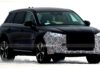
Volkswagen is set to significantly expand its plug-in hybrid (PHEV) offerings in Australia, introducing the Tiguan eHybrid and Tayron eHybrid ranges starting in the second quarter of 2026. These new models represent a major shift in the brand’s electrification strategy, offering considerably more accessible PHEV options compared to the previously sole offering, the high-end Touareg R.
Pricing and Variants
The Tiguan eHybrid will begin at $64,590 before on-road costs, while the Tayron eHybrid will be even more affordable at $62,390. Both models will be available in 150TSI eHybrid Elegance and 200TSI eHybrid R-Line trims. The pricing positions them competitively against other PHEV options, with the base Tiguan representing a $3,000 premium over its petrol-only counterpart.
Powertrain and Range
Both vehicles combine a 1.5-liter TSI four-cylinder petrol engine with an electric motor, delivering either 150kW (150TSI) or 200kW (200TSI) of total system output. They share a 19.7kWh battery, providing an electric-only driving range between 113km and 117km depending on the variant. Charging is supported at up to 11kW AC and 40kW DC. Volkswagen estimates combined fuel consumption between 1.6 and 1.8L/100km, though real-world figures may vary.
Model Distinctions: Tiguan vs. Tayron
The Tayron is a slightly larger vehicle, though the eHybrid version will only be available as a five-seater. It offers 705 liters of cargo space, significantly more than the Tiguan’s 490 liters. Both models include a high level of standard equipment in the 150TSI Elegance variant, such as leather upholstery, heated/ventilated/massaging front seats, and a 15-inch touchscreen infotainment system.
Optional Extras
Volkswagen will offer a range of optional upgrades, including metallic paint ($800-$1100), a panoramic sunroof ($2100), and a Black Style Package for the R-Line models ($1500). The Tayron 150TSI eHybrid Elegance will also have a Sound & Vision Package available for $4200, though the exact contents are still unconfirmed.
Market Context
The arrival of these PHEVs is a strategic move by Volkswagen to lower the barrier to entry for electrified vehicles in Australia. The current market includes competitors like the BYD Sealion 6, Mitsubishi Outlander PHEV, Mazda CX-60, and the upcoming Skoda Kodiaq PHEV.
The introduction of more affordable PHEV options reflects a broader industry trend towards greater accessibility and consumer choice in the electric vehicle market. With order books opening soon, Volkswagen is poised to capture a larger segment of Australian buyers seeking efficient and eco-conscious vehicles.