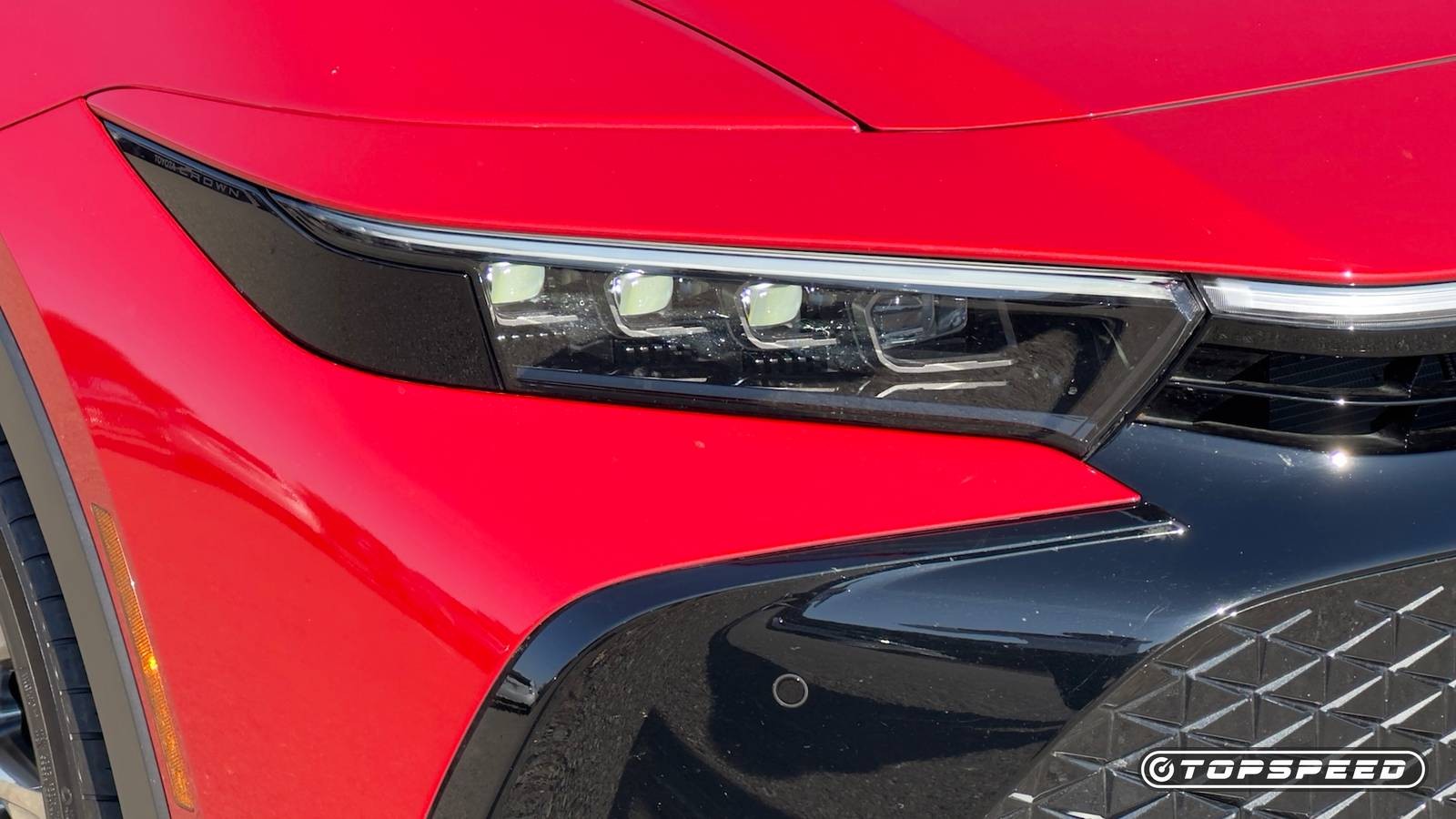
The luxury car market is dominated by brands that command high prices and often deliver questionable value. Depreciation hits hard, reliability lags, and maintenance costs can quickly erode any initial prestige. Enter the 2026 Toyota Crown—a vehicle quietly challenging the established order by offering Mercedes-Benz-level luxury at a significant discount.
The Price of Prestige
Mercedes-Benz has long defined the executive sedan segment, but their pricing reflects that dominance. The 2026 E-Class starts at $63,900 before options. Toyota, meanwhile, caps the Crown at $54,990, making it an immediate value proposition for buyers unwilling to overpay for a badge. This difference isn’t just about sticker price; it speaks to a broader shift in how consumers perceive luxury.
The E-Class: Engineered for Excellence, Priced Accordingly
Mercedes-Benz doesn’t just sell cars; it sells an experience. The E-Class, positioned between the C-Class and the S-Class, is a showcase of refinement. The German automaker prioritizes sensory comfort—a “digital sanctuary” with features like the massive MBUX Superscreen, heat-insulating glass, and premium materials. Decades of engineering legacy underpin this approach; the W124 E-Class (1984-1995) remains a benchmark for build quality.
The modern E-Class carries that spirit forward, integrating AI-driven comfort systems into a cabin designed for silence and material excellence. However, this comes at a cost.
Toyota’s Crown: Luxury Without the Markup
Toyota isn’t reinventing luxury; it’s democratizing it. The Crown is positioned as the brand’s flagship sedan, inheriting the role of the Avalon while aiming for buyers who want prestige without the premium price tag. Unlike Mercedes-Benz, which relies on expensive upgrades, Toyota delivers a comprehensive luxury experience as standard.
This means leather seats, digital gauges, and wireless smartphone integration come standard on the base XLE trim ($41,440). Higher trims add features like panoramic sunroofs, premium audio systems, and advanced parking assistance, but even the entry model doesn’t feel stripped down.
Sales Figures Tell a Story
The Crown isn’t a volume seller for Toyota. In 2025, it moved just 12,309 units, a 37.1% year-over-year drop. This is partly because it exists in a niche segment, often overshadowed by Toyota’s Lexus division. Mercedes-Benz doesn’t disclose E-Class sales individually, lumping it with other models under its “Core Segment” umbrella. The Crown’s modest numbers don’t diminish its appeal; they underscore its position as a quiet disruptor.
Performance and Efficiency: The Hybrid Advantage
The Crown offers two powertrain options. The base 2.5-liter hybrid delivers 236 horsepower and 42 MPG, costing around $1.98 to drive 25 miles. The turbocharged 2.4-liter engine in the Platinum trim bumps output to 340 horsepower, reaching 60 MPH in 5.7 seconds. Fuel economy dips slightly to 30 MPG, but remains competitive.
All models benefit from Toyota’s TNGA-K platform and refined suspension, providing a balanced ride. The Platinum trim adds Adaptive Variable Suspension for even greater comfort.
The Verdict: A Smart Alternative
The 2026 Toyota Crown isn’t just a cheaper Mercedes-Benz alternative; it’s a compelling luxury sedan in its own right. It delivers comparable features, fuel efficiency, and driving experience at a lower price. For buyers who prioritize value over prestige, the Crown offers a smart, sensible, and surprisingly luxurious option.