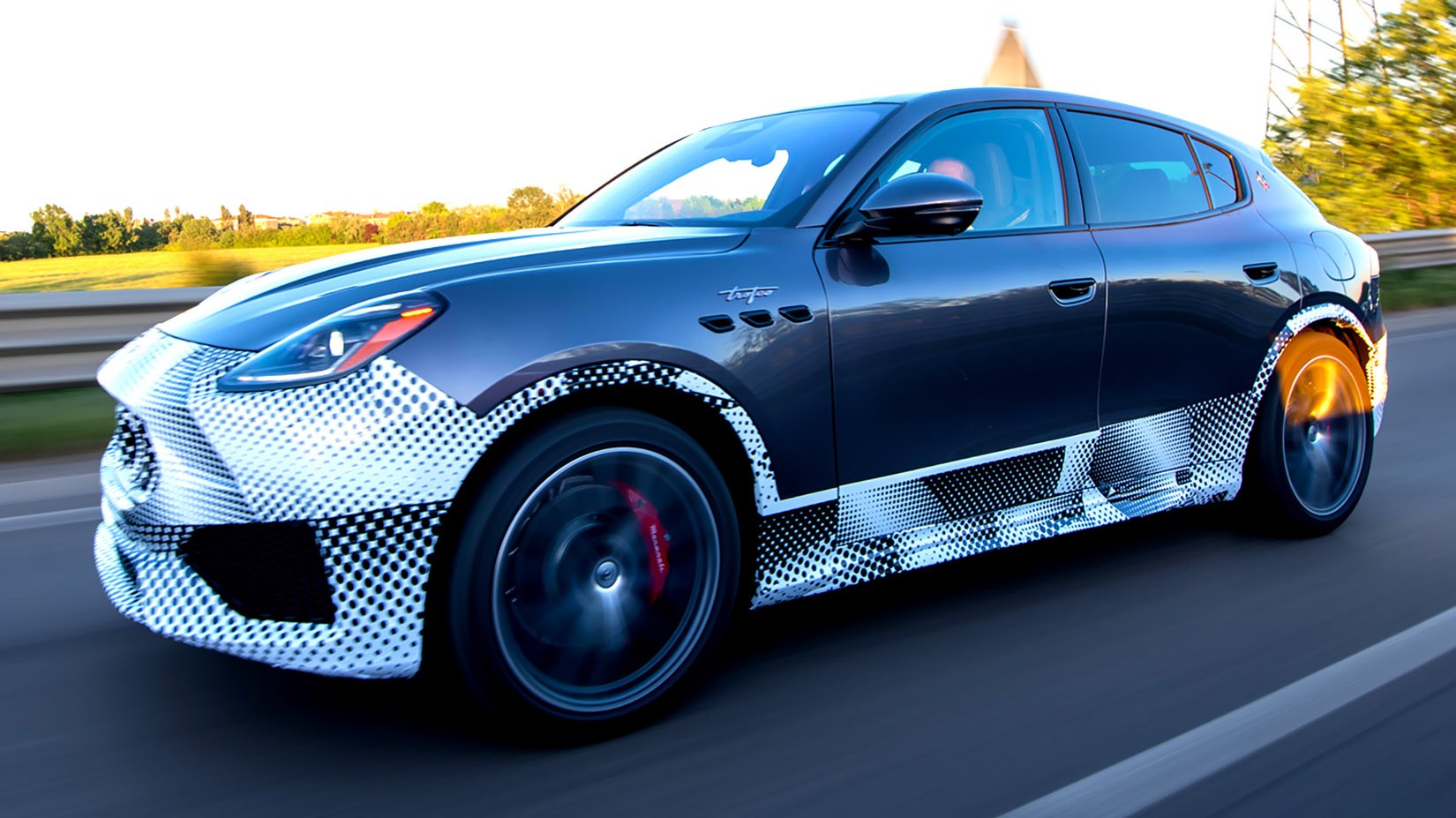
Maserati is facing a stark reality: despite its storied heritage, the brand’s sales have plummeted. In response, the Italian luxury automaker has unveiled official images of facelifted versions of its three core models—the GranTurismo, GranCabrio, and Grecale.
The strategy is straightforward but arguably risky: refresh the existing lineup with minor aesthetic updates in hopes of reigniting consumer interest. While Maserati has released official photographs, the changes appear to be primarily cosmetic, raising questions about whether superficial tweaks are enough to reverse the brand’s declining fortunes.
The Strategy: Testing the Waters in Modena
Before the public reveal, Maserati conducted rigorous testing in the Modena area. The brand noted that these drives covered a diverse range of conditions, including city streets, hilly roads, and high-speed motorways.
“The drives are aimed at collecting essential data and information to ensure the optimal final fine-tuning of the vehicles.”
This focus on “final fine-tuning” suggests that while the exterior changes are visual, the engineering team is likely addressing subtle handling or comfort issues to improve the overall driving experience. However, the official imagery remains somewhat ambiguous, leaving many details to speculation.
GranTurismo and GranCabrio: Aggressive Updates
The facelifted GranTurismo (coupe) and GranCabrio (convertible) are receiving a more aggressive front fascia. Key visual changes include:
– A larger front grille for a more imposing stance.
– Revised air intakes to enhance aerodynamics and cooling.
– A new rear bumper design.
Internally, the cabin remains largely unchanged. The current interior is still considered modern, featuring:
– A 12.2-inch digital instrument cluster.
– A 12.3-inch infotainment system.
– An 8.8-inch climate control display.
Performance Specs Remain Strong
Maserati has not announced changes to the powertrain specifications, meaning buyers can still choose from three distinct performance tiers:
1. V6 Turbo (Standard): 483 hp (360 kW) and 442 lb-ft of torque.
2. V6 Turbo (Trofeo): 542 hp (404 kW) and 479 lb-ft of torque.
3. Folgore (Fully Electric): The most powerful option, delivering 751 hp (560 kW) and 995 lb-ft of torque. This enables a 0-60 mph sprint in just 2.6 seconds and a top speed of 202 mph (325 km/h).
Grecale: Subtle Tweaks to the SUV
The Grecale, Maserati’s compact luxury SUV, receives similarly minor updates. The most noticeable changes are:
– New front bumper and air intakes.
– Carryover grille design.
– Updated rear bumper and diffuser.
– Side skirts that echo the aggressive styling of the current Trofeo model.
Spy photographers have captured interior shots suggesting minimal changes, possibly limited to a redesigned dashboard-mounted digital clock.
Powertrain Options
The Grecale continues to offer a choice between internal combustion and electric power:
– V6 Turbo (Standard): 385 hp (287 kW) and 368 lb-ft of torque.
– V6 Turbo (Trofeo): 523 hp (390 kW) and 457 lb-ft of torque.
– Electric Version: 542 hp (404 kW) and 604 lb-ft of torque.
Why This Matters: The Challenge of Brand Relevance
Maserati’s decision to focus on facelifts rather than all-new platforms highlights a critical challenge in the luxury automotive market. As competitors like Porsche, BMW, and Mercedes-Benz roll out fully redesigned models with cutting-edge technology, Maserati is betting that brand prestige and aesthetic refinement are still sufficient selling points.
However, the effectiveness of this strategy is uncertain. In an era where buyers increasingly prioritize technological innovation and sustainability, a “new bumper” approach may not be enough to attract new customers or retain existing ones. The upcoming models will serve as a litmus test for whether Maserati’s legacy can sustain it without significant product reinvention.
Conclusion
Maserati’s facelifted GranTurismo, GranCabrio, and Grecale represent a cautious attempt to stabilize sales through cosmetic updates and minor refinements. While the performance credentials remain impressive, the lack of substantial innovation raises questions about the brand’s long-term competitiveness in a rapidly evolving luxury market.