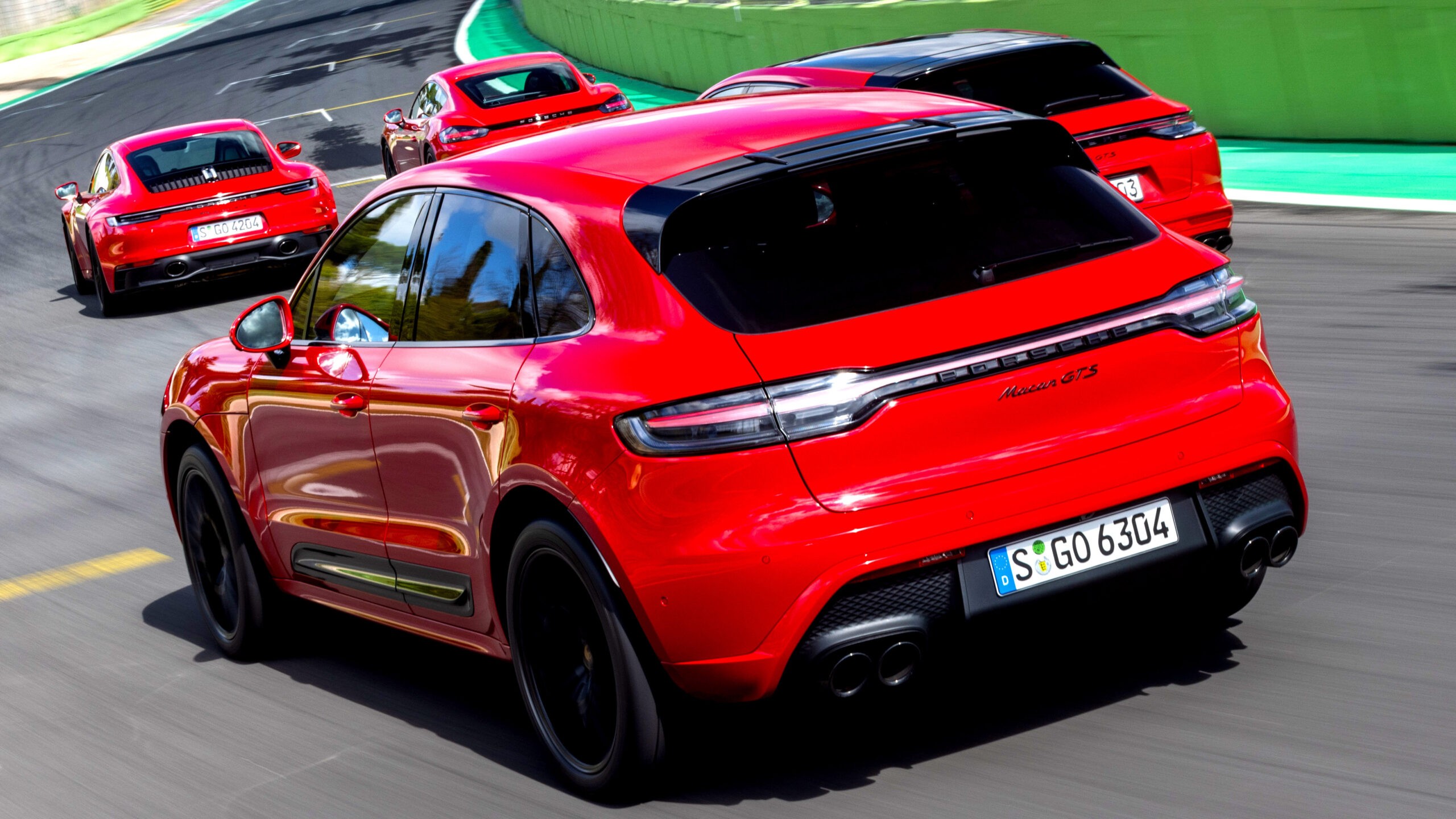
Porsche is approaching a strategic crossroads. The company has announced plans to end production of the internal combustion engine (ICE) Macan by summer 2026, a move that creates a significant tension between the brand’s electric future and current consumer demand.
The Production Timeline and the “Supply Gap”
According to Porsche CFO Jochen Breckner, the company intends to maximize production during its final months before the shutdown. However, several hurdles remain:
– Manufacturing Limits: Production capacity at the Leipzig plant is a primary constraint.
– Supply Chain Issues: Securing necessary parts for older combustion technology may become increasingly difficult as the industry shifts toward electrification.
While production ends in 2026, some markets may see deliveries of the gas Macan through 2027. However, once the factory stops, buyers will be limited to existing dealership stock, losing the ability to customize their vehicles to specific preferences.
A Miscalculation in Market Demand
The decision to phase out the gas Macan was based on the assumption that the all-electric Macan would seamlessly take over the mantle. Recent sales data suggests that this transition is proving more difficult than anticipated, particularly in the United States.
The shift in consumer sentiment is highlighted by recent sales figures:
– Macan Electric: 8,079 units sold in the first three months of the year.
– ICE Macan: 10,130 units sold in the same period.
This gap is largely attributed to a cooling EV market in the U.S., exacerbated by the conclusion of $7,500 federal EV incentives last fall. While the electric version is the future, the gas version remains the current preferred choice for many American enthusiasts.
Why the Macan Matters to Porsche’s Bottom Line
The Macan is not merely a secondary model; it is a volume driver. While high-end sports cars maintain Porsche’s prestige and brand image, the Macan provides the scale necessary to sustain the company’s financial health.
The stakes are high, as Porsche is currently navigating a period of financial tightening:
– First-quarter deliveries dropped by nearly 15%.
– Automotive revenue fell by 5.6%.
– Operating profit saw a significant decline of 23.8%.
The 2028 Problem
Porsche has already signaled a pivot to address this mismatch by approving a new combustion and hybrid Macan, reportedly based on the Audi Q5 platform. However, this new model is not expected until 2028 at the earliest.
This creates a two-year “void” between the end of current production and the arrival of the next gas-powered generation. During this window, Porsche must rely on its electric Macan inventory and existing gas stock to bridge the gap—a challenging task given that the electric version is currently lagging behind in demand.
Porsche is attempting to balance a long-term commitment to electrification with the immediate reality that their most profitable customer base still prefers internal combustion engines.
Conclusion
Porsche is navigating a difficult transition period where its technological roadmap is out of sync with consumer preferences. The company must now manage a multi-year gap in its most critical model line, hoping that the electric Macan can gain traction before the next generation of gas engines arrives in 2028.