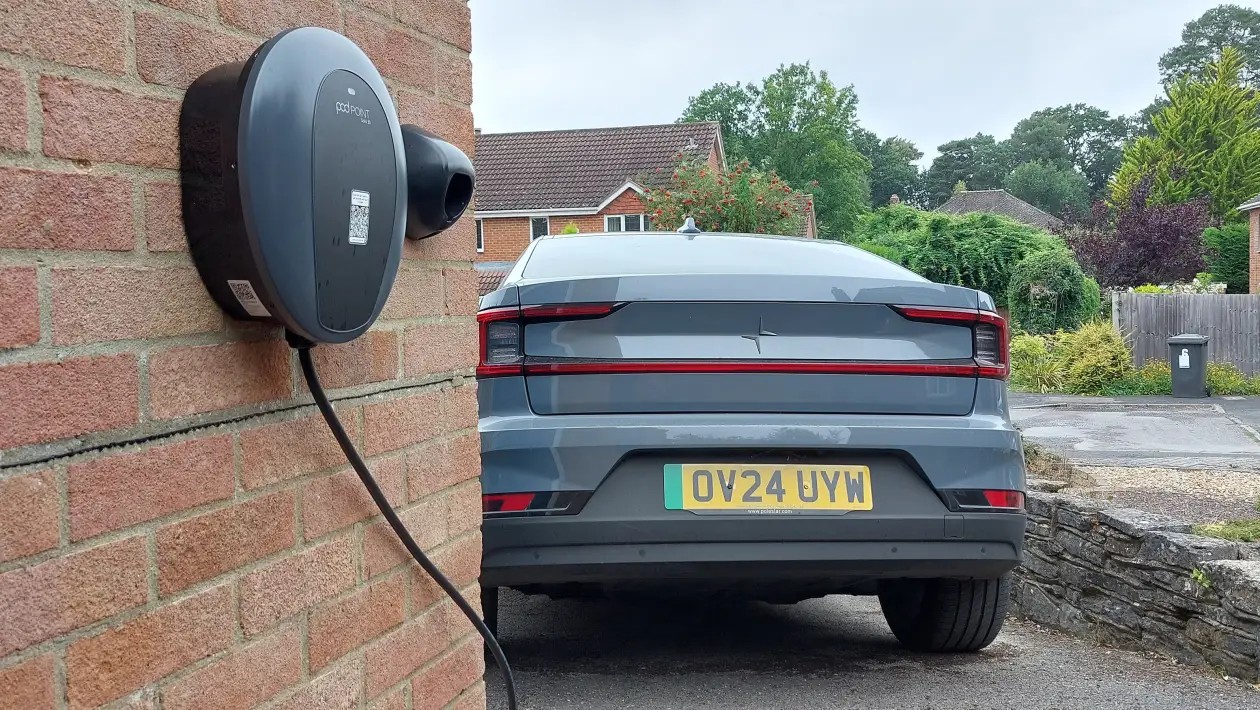
The UK government has raised its Electric Vehicle (EV) Chargepoint Grant by £150, now offering up to £500 towards the installation of home EV chargers. While this boosts financial support, the grant remains largely inaccessible to the majority of homeowners due to strict eligibility criteria.
Eligibility Restrictions Hinder Widespread Adoption
The grant is primarily available to renters, business owners, flat owners, and those without dedicated off-street parking. This excludes a significant portion of UK households—roughly 55 to 58 percent—who have driveways or other private parking spaces. The Department for Transport (DfT) acknowledges this limitation, stating the funding will run for one final year, ending in spring 2027, with no current plans for extension.
This funding gap matters because uneven access to charging infrastructure slows EV adoption, particularly for those without private parking. Without convenient home charging, consumers may hesitate to switch to electric vehicles, despite government incentives for purchasing EVs themselves.
Government Support Extends to Vehicle Costs
Alongside the chargepoint grant, the Electric Car Grant (ECG) continues to offer up to £3,500 off eligible new electric vehicles. Models like the Citroen e-C5 Aircross and Nissan Leaf qualify for the maximum discount, while others, including the Cupra Born and Hyundai Kona Electric, receive £1,500. These combined incentives aim to make EVs financially competitive with petrol and diesel cars.
Public Charging Costs Remain a Barrier
Industry experts, like Jarrod Birch from ChargeUK, emphasize that home charging grants don’t solve the wider affordability issue. Public charging costs are disproportionately high, with standing charges surging 462 percent since 2021. The imbalance between home and public charging prices creates a disincentive for EV ownership, especially for those reliant on public infrastructure.
VAT Ruling Could Lower Public Charging Rates
A recent First-Tier Tribunal ruling may offer some relief. Deloitte and Charge My Street successfully argued that public EV charging under 1,000 kWh per month should be subject to the lower five percent VAT rate, aligning it with domestic electricity. The government’s response to this ruling—whether to appeal or implement the change—remains unclear. This legal win could reduce public charging costs if applied broadly, but its impact is uncertain.
In conclusion, while the increased home charger grant is a step forward, structural barriers continue to limit EV accessibility. The government must address both charging infrastructure gaps and the cost disparities between home and public charging to accelerate the transition to electric vehicles for all drivers.