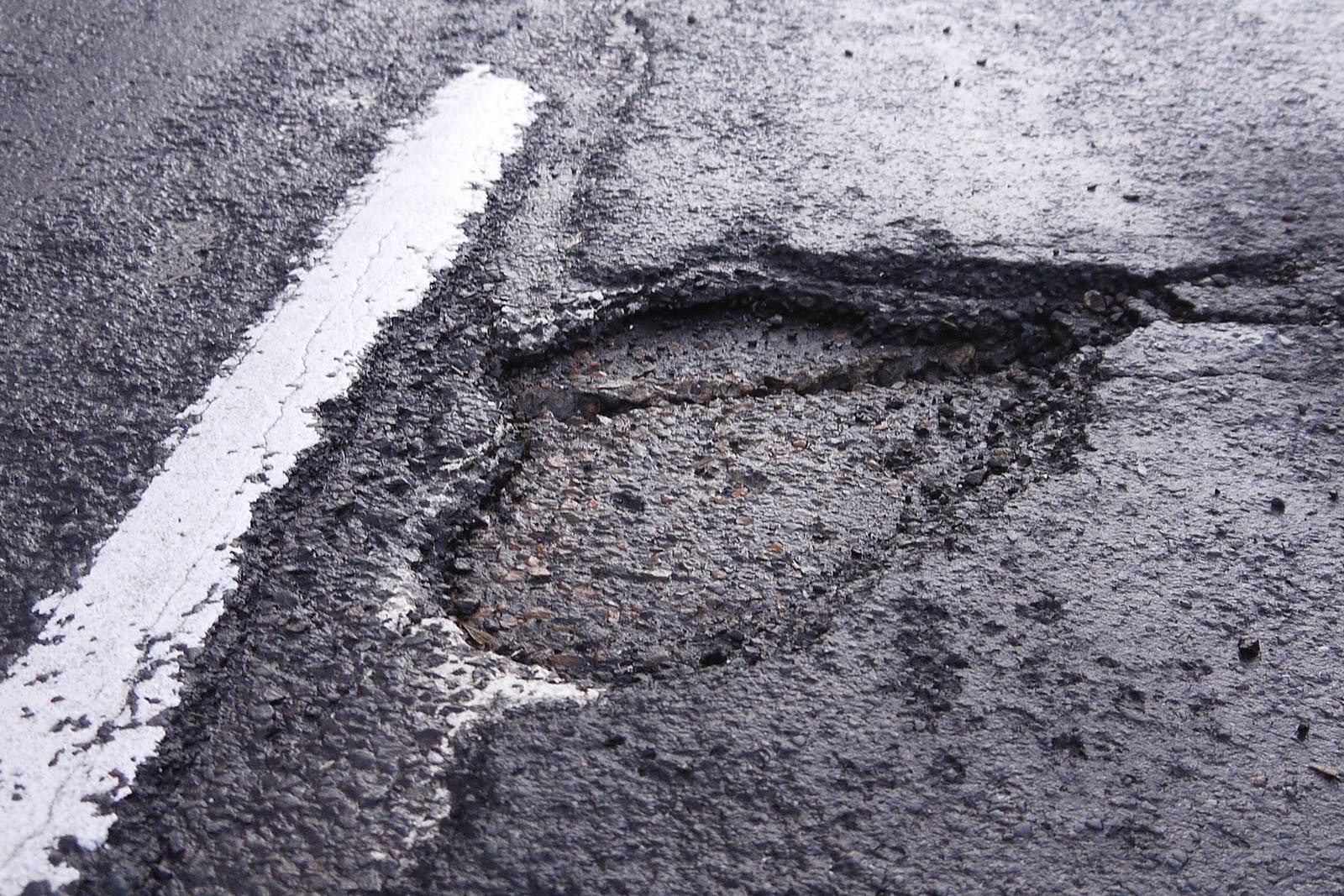
Despite massive injections of government funding, British motorists are facing a growing crisis of deteriorating road surfaces. While the UK government has allocated significant sums to highway maintenance, the results on the ground tell a different story: potholes are increasing, vehicle damage is surging, and insurance claims are skyrocketing.
The Funding Gap: Budget vs. Results
The scale of the financial commitment is substantial. For the 2025/26 financial year, the UK government provided local councils with an additional £1.6 billion for highway maintenance, with a further £7.3 billion pledged over the next four years.
However, the Asphalt Industry Alliance’s latest Annual Local Authority Road Maintenance survey suggests that this 17% budget increase has failed to produce meaningful improvements. The issue appears to be not just a lack of money, but how that money is being spent. According to the Department for Transport, only 16 out of 154 local authorities in England are utilizing these additional funds effectively.
Mismanagement and Inefficient Repairs
Industry experts point to a fundamental flaw in how many councils approach road maintenance. Instead of investing in long-term preventative measures, many authorities are trapped in a cycle of “reactive” maintenance—using expensive, short-term fixes that do little to address the underlying cause of road decay.
Ben Rawding, general manager of JCB and member of the Pothole Partnership, highlights several systemic inefficiencies:
- Contractual Inconsistencies: Many councils rely on complex layers of contractors and sub-contractors, leading to wasted resources.
- Lack of Accountability: A widespread absence of key performance indicators (KPIs) makes it difficult to measure the success or quality of repairs.
- Scale Issues: Poor economies of scale and varying contract terms prevent many authorities from getting value for money.
In contrast, councils—particularly in the north of England—that manage roadwork directly tend to show higher levels of efficiency.
The Rising Cost to Motorists
The failure to maintain roads is having a direct, measurable impact on drivers and the automotive industry. The consequences are manifesting in three key areas:
1. Increased Breakdown Rates
The AA reported 137,000 pothole-related incidents in January and February alone—an increase of 25,000 compared to the same period last year.
2. Mechanical Damage
The RAC noted a dramatic spike in call-outs for damaged wheels and suspension systems. In February, these incidents averaged 225 per day, compared to just 66 per day the previous year. This surge is partly attributed to extreme weather; 26 areas across the UK experienced their wettest month on record, with heavy rain concealing deep potholes.
3. Insurance Surges
The financial burden is also shifting to the insurance sector. Admiral Insurance reported that pothole-related claims have risen by 75% so far this year, with February seeing a staggering 144% year-on-year increase.
The Role of Drainage and Long-term Planning
A critical factor often overlooked in the “pothole debate” is water management. As the RAC noted, “Water is the enemy of the roads.” When drainage systems fail, water sits on the surface, seeps into the road structure, and accelerates the breakdown of the asphalt. Without prioritizing improved drainage, even the most frequent patching will remain a temporary and costly fix.
To combat this, the Pothole Partnership is advocating for a major shift in industry standards, calling for all non-emergency pothole repairs to be backed by a five-year warranty.
Conclusion: The UK’s pothole crisis is driven less by a lack of funds and more by inefficient spending, reactive repair strategies, and poor drainage management. Until councils shift from short-term patches to long-term preventative maintenance, the financial and mechanical burden on motorists will continue to rise.