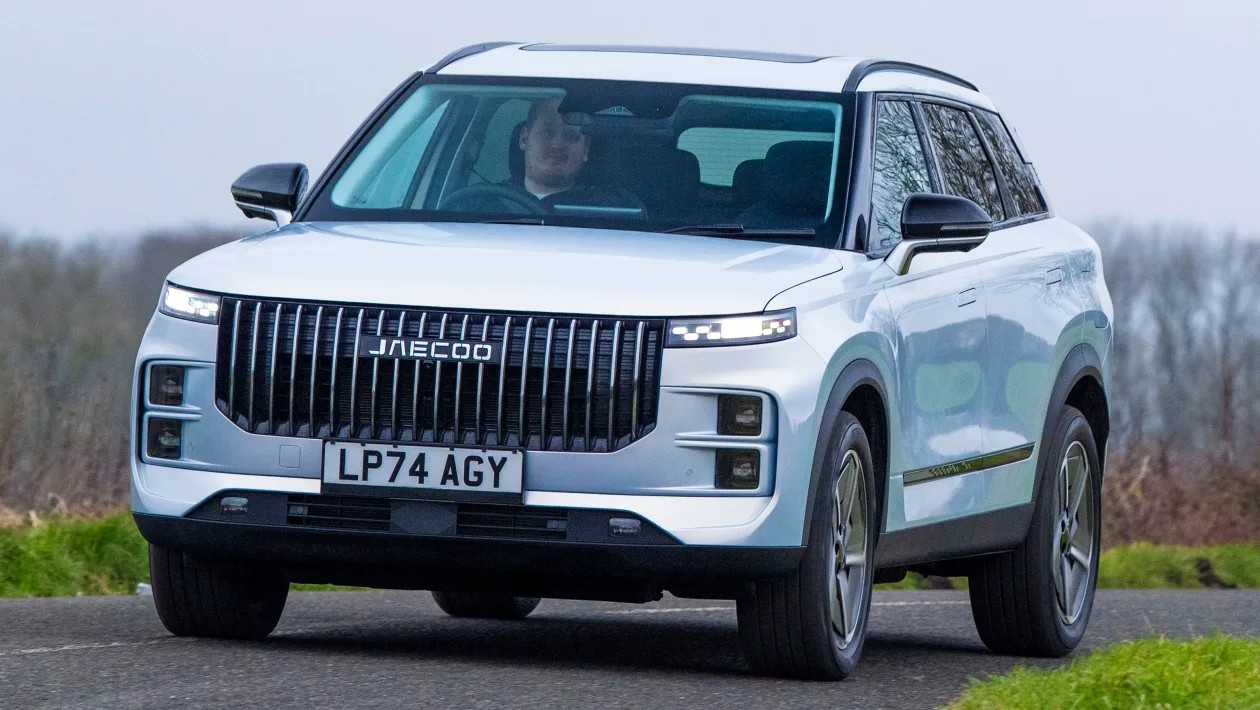
Jaecoo has announced a recall impacting approximately 7,500 Jaecoo 7 SUVs sold in the UK, addressing a defect in the vehicle’s electronic system. The issue centers around an improperly secured wiring harness clip connected to the Engine Control Unit (ECU). This flaw can trigger engine warning lights and, in some cases, lead to unexpected engine stalling.
The Problem and Affected Vehicles
The recall affects vehicles manufactured between April and December 2025, representing roughly 26% of all Jaecoo 7 units sold in the UK last year. The issue is isolated to models equipped with the 1.6-liter TGi petrol engine; the plug-in hybrid variant is not affected. Notably, the closely related Omoda 5, which shares the same powertrain, is currently excluded from the recall.
How Owners Will Be Notified
Jaecoo UK plans to notify affected owners through multiple channels, including direct communication via Customer Relationship Management (CRM) systems and through authorized dealerships. Customers will be offered free inspections and repairs to rectify the wiring harness issue.
Safety and Production Fixes
The recall is not classified as a “stop-drive” order, meaning owners can continue operating their vehicles while awaiting repair appointments. Jaecoo has confirmed that the production process has been updated to prevent recurrence of the defect in future models. This is the first major recall for Jaecoo since its UK launch last year.
Context: Rapid Growth and Quality Control
The recall comes as Jaecoo experiences rapid sales growth in the UK market, surpassing established brands like Honda, Citroen, and SEAT. In 2025, combined sales of Jaecoo and its sister brand Omoda exceeded those of Dacia and Tesla.
The recall highlights the importance of stringent quality control in the automotive industry, particularly for rapidly expanding brands. While not immediately dangerous, the issue demonstrates that even successful new entrants can face common manufacturing challenges.
The incident serves as a reminder that even high-performing brands must prioritize product reliability to maintain consumer trust.