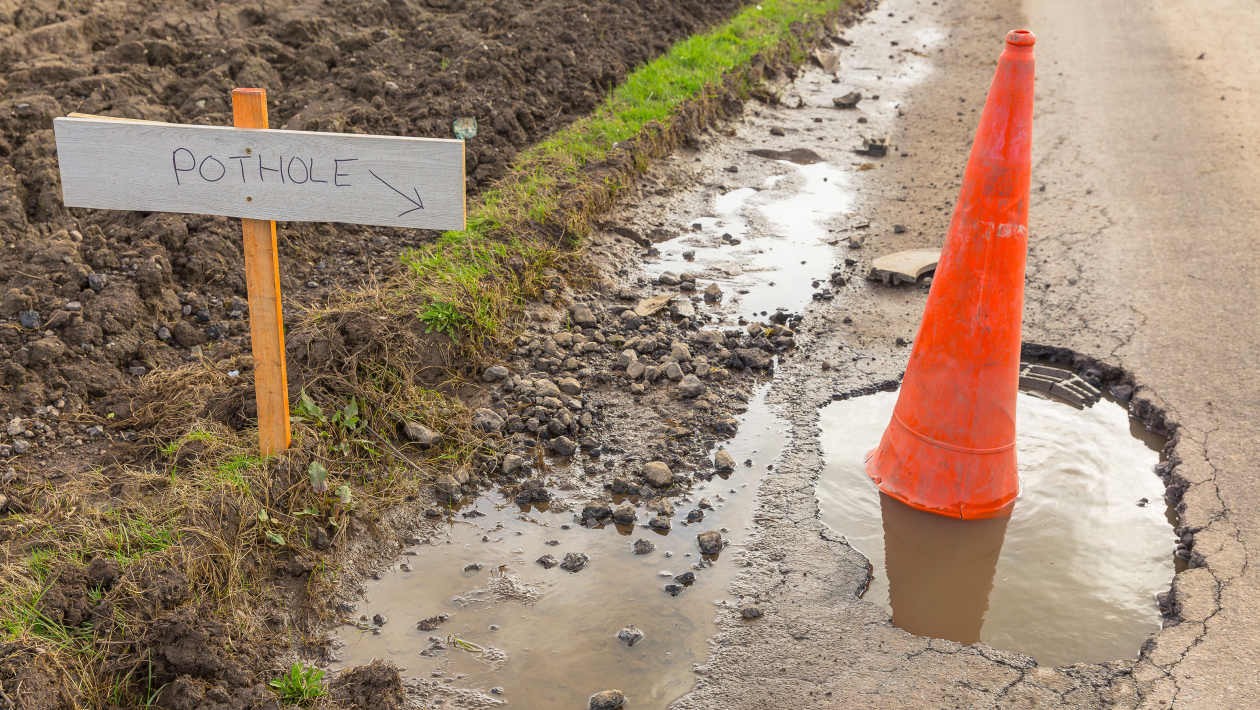
The state of roads in England and Wales has deteriorated to the point of being called a “national disgrace” by the Asphalt Industry Alliance (AIA), with a repair backlog now exceeding £18.6 billion. This represents an 11% increase from the previous year, outpacing inflation, and highlighting a systemic failure to adequately maintain infrastructure.
Deteriorating Infrastructure: A Rapid Decline
Roughly half (49%) of all roads have less than 15 years of structural life remaining, with one in six roads needing major work within the next five years. The AIA estimates that approximately 20,000 miles – about 10% of the network – will require significant repairs within the next 12 months. This isn’t just a matter of inconvenience; roads degrade naturally, and deferred maintenance exponentially increases the eventual cost of repair.
“The £18.6 billion backlog represents an 11 per cent increase on last year – that’s running ahead of inflation. The real issue is that roads naturally deteriorate and so while they aren’t maintained, they will therefore cost more to put right.”
– Malcolm Simms, AIA President
Government Response and Funding Gaps
The Labour government recently pledged £7.3 billion for road maintenance over four years, which surpasses the £8.3 billion promised by the previous Conservative administration over eleven years. While this is a step forward, industry experts argue that a frontloaded investment would be more effective. By addressing the issue immediately, authorities could demonstrate early improvements and secure long-term funding commitments.
Despite the increased funding, disparities remain in how resources are allocated. Classified roads (major routes like the A140) receive preferential treatment, while unclassified roads (rural and residential streets) are often neglected for decades. This creates a two-tiered system where high-traffic areas are maintained while others fall into disrepair.
The Human Cost: Breakdowns and Deterioration
The impact on drivers is already evident. Pothole-related breakdowns have increased dramatically, with the RAC reporting a tripling in incidents during February of 2026 following heavy rains. While the number of roads in “good” condition has slightly increased (to 51%), this improvement is unevenly distributed, leaving many drivers to contend with deteriorating surfaces.
Innovation Stalled by Lack of Investment
The industry possesses the potential for innovation in pothole prevention and road durability, but these advances are hampered by insufficient funding for research and development. The current situation prioritizes reactive repairs over proactive solutions, meaning that long-term improvements will remain elusive without significant investment.
The ongoing neglect of UK roads is not just an infrastructural issue; it’s an economic and safety concern that demands immediate attention. Without sustained, strategic investment, the backlog will continue to grow, and the consequences will become increasingly severe for drivers, businesses, and the overall economy.