Electric vehicle (EV) adoption is reshaping the automotive industry, but manufacturers are still figuring out the best way to integrate EVs into their lineups. The question isn’t if they should electrify, but how —through dedicated sub-brands or by electrifying existing models. Some approaches clearly work better than others.
The Legacy Approach: Electrifying Familiar Names
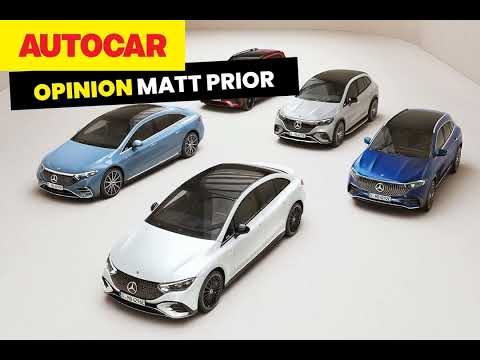
Many established automakers, like Stellantis (Peugeot, Vauxhall) and Mercedes-Benz, are opting to electrify existing models rather than creating entirely new EV-only brands. This strategy has a key advantage: flexibility. Manufacturers can build one vehicle platform and adapt it for petrol, diesel, hybrid, or electric powertrains. This minimizes risk, as production can shift based on consumer demand.
This approach acknowledges that customers often prioritize the car first (e.g., a Peugeot 208 or Vauxhall Astra), with the powertrain being a secondary consideration. If EV demand rises, factories simply produce fewer combustion engine versions.
The Rise of Electric-Only Sub-Brands
Conversely, some automakers are betting big on dedicated EV sub-brands, like Hyundai’s Ioniq line or Renault’s revival of the iconic Renault 5 as an EV-only model. These brands have proven surprisingly successful, suggesting that a clean slate can attract customers eager for a fully electric experience.
The key difference? Brand identity. Ioniq, for example, positions itself as a forward-thinking, EV-focused brand, while Mercedes-Benz’s EQ sub-brand has struggled to gain the same traction.
Internal Contradictions: Volkswagen’s Shifting Strategy
Even within large automotive groups, there’s no clear consensus. Volkswagen, initially pushing its ID sub-brand aggressively, is now backtracking, integrating EV models into its core lineup (e.g., the likely rebranding of the ID Polo as simply the Polo). This suggests that familiarity and brand recognition may be more important than a separate EV identity.
The Core Question: Why the Discrepancies?
The success of an EV sub-brand hinges on several factors:
- Brand positioning: Does the sub-brand offer a compelling, unique identity?
- Market timing: Was the sub-brand launched when EV demand was high enough to sustain it?
- Consumer loyalty: Do customers trust the manufacturer’s legacy brand more than a new EV-only label?
Ultimately, the industry is still experimenting. Some automakers are betting on dedicated EV brands, while others prefer to electrify existing models. The long-term winners will likely be those who best understand how to balance innovation with customer preference.
The question remains open: will the future of EVs be defined by bold new brands or the evolution of established names? The answer will shape the automotive landscape for years to come.