


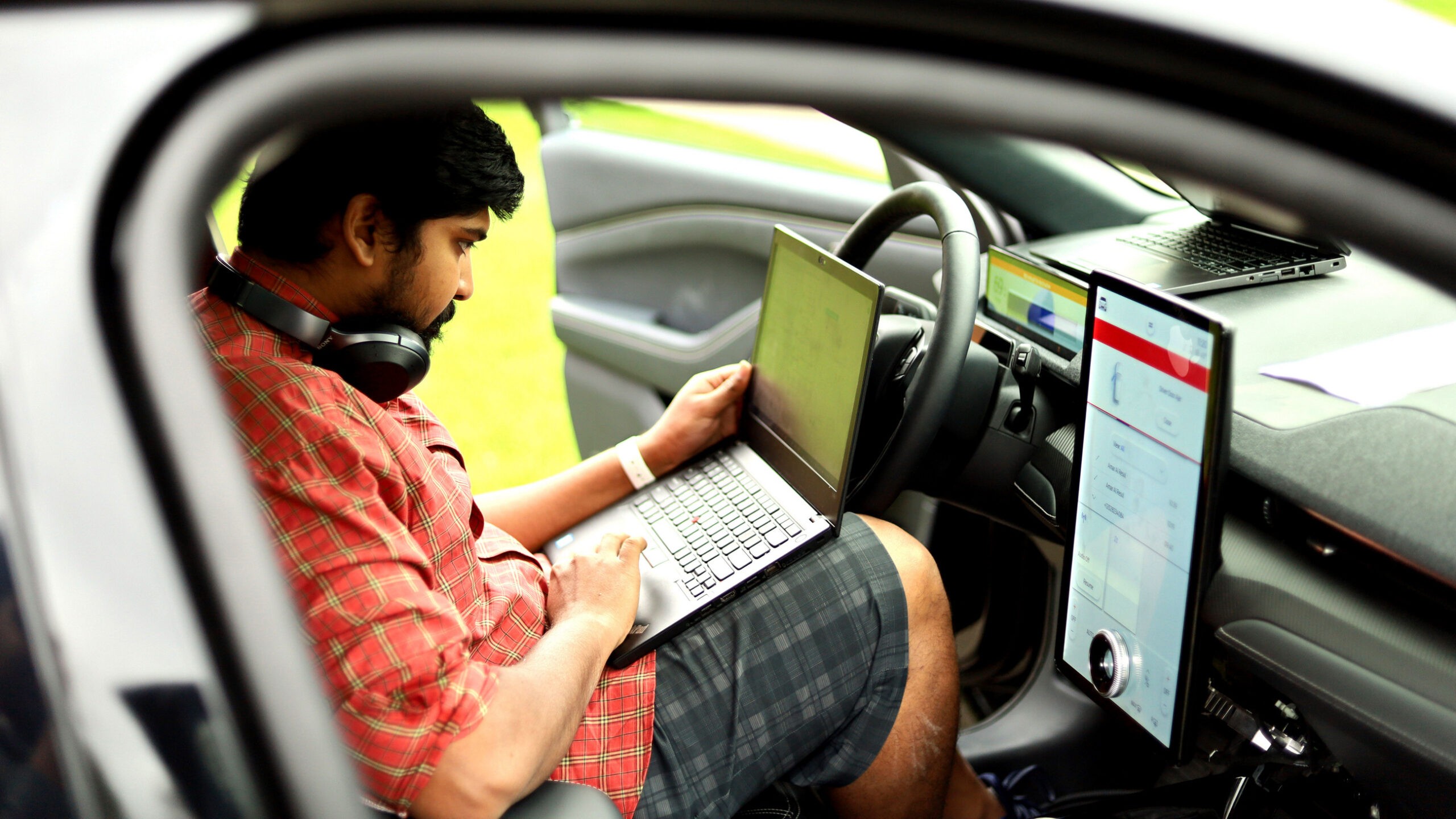
Over-the-air (OTA) updates are supposed to be the future of driving. Clean. Efficient. Seamless. Yet they’ve triggered a genuine panic in a sector that usually prefers chrome over code. Almost every new car sold today connects to the internet. Security experts hate that. Why? Because if bad actors get in, the consequences are messy. But before you start sweating about someone steering your sedan into a lake, take a breath. The threat is real, just not the cinematic nightmare Hollywood sold us.
The Shift To Connected Vehicles
This isn’t a new problem. It’s just a new scale. A decade ago, OTA updates were a Tesla flex. Now? It’s the industry standard. Manufacturers use it to patch bugs, sharpen features, and add functions without you ever stepping foot in a dealership. That convenience is nice. Security is better.
Automakers use these same pipelines to squash vulnerabilities. That matters. A patch deployed overnight fixes holes that could otherwise stay open forever. Convenience is a feature. Safety is the foundation.
Where The Actual Risk Lies
CNBC recently ran a report highlighting the vulnerabilities. It’s technically possible for connected vehicles to be targeted. By hackers. By hostile governments. The Norwegian investigation into Chinese-built electric buses showed this clearly. Manufacturers kept remote access to vehicle systems via cellular connections. That sparked reviews in the UK and Denmark.
Analysts warn that internet-connected cars are prime targets for espionage and large-scale attacks. Those concerns aren’t imaginary. But they are often misunderstood. We see a hacker in a hoodie. We don’t see the infrastructure.
Hollywood Versus The Hardware
Picture this: A person types commands. Your car veers into a ditch. It’s a scary image. But modern vehicles aren’t built for that level of control. Yes, they have ECUs. Yes, those control steering, braking, and acceleration. Yes, they’re connected. But getting from a laptop to the brakes is hard.
It’s not impossible. But it’s multi-layered. An attacker would have to bypass security after security to reach critical systems. And even then? They couldn’t drive the car like a human. Not really. They’d be guessing. Fumbling. The danger isn’t loss of control in the moment. It’s scale. It’s inoperability.
The actual danger here is scale and in operability.
The Kill Switch Threat
Look back at that Norwegian bus case. Authorities weren’t scared the buses would be driven around by Chinese agents. They were worried the engines wouldn’t start at all.
Imagine police cars refusing to ignite. Delivery fleets grounded. Electric vehicles stuck at chargers. Critical data siphoned quietly from millions of units. That’s the economic havoc. That’s the real threat. No one needs to grab the wheel. They just need to hit the off button.
The silver lining? That same OTA pipeline is the lock. Automakers can slam the door shut. They push fixes to millions of cars overnight. But it’s an arms race. There’s no finish line. Every new feature is a new door to guard. And automakers only have to leave one unlock


