


The electric vehicle debate used to be an endless loop about range. That’s history now. The real friction point is shifting. It’s no longer just how far you can go; it’s how fast you can refuel. With infrastructure stepping up to deliver power levels that were previously science fiction, charging speed is poised to become the single biggest market transformer. Porsche started this shift with their 800-volt architecture. Audi followed suit. Now, the hardware is catching up to the vehicles.
ABB’s 1.2 MW M-Series: Breaking the 350 kW Barrier
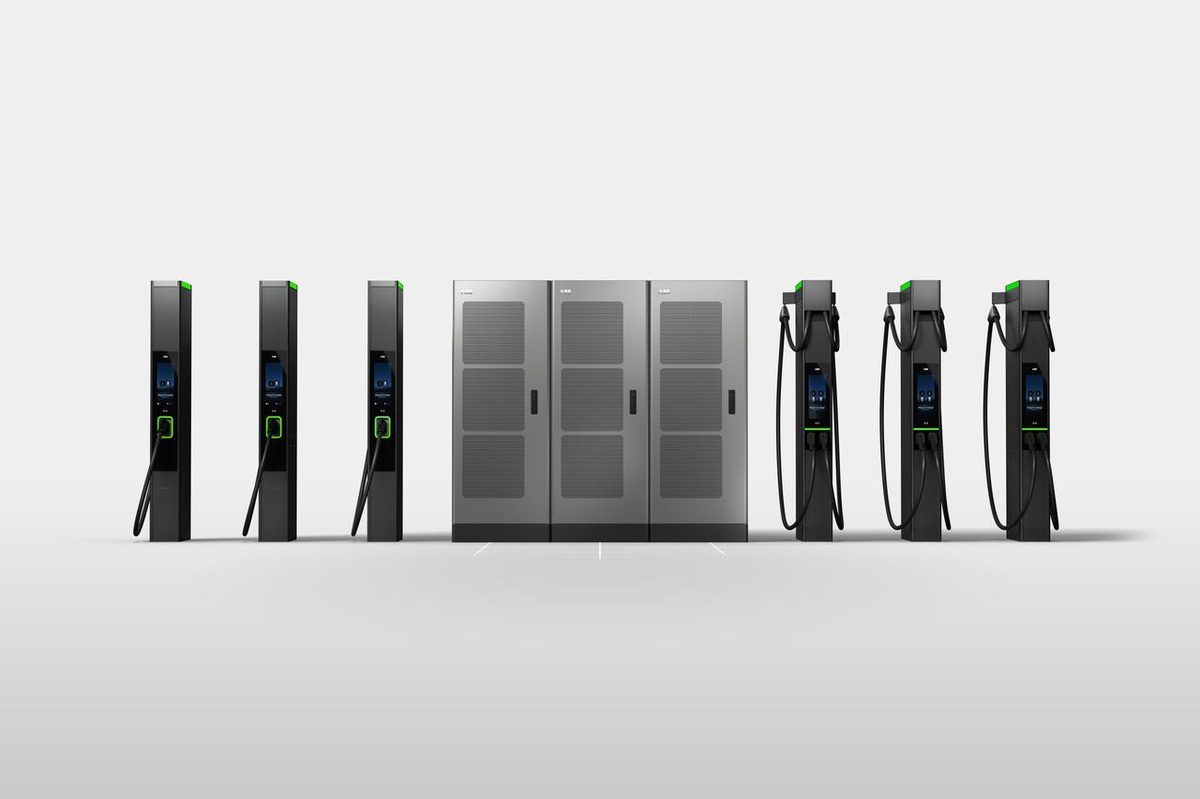
ABB just unveiled the next generation of ultra-fast chargers. They call them the OM M-Series. The headline number? 1.2 megawatts.
Let’s put that in perspective. The fast chargers you see at most highway rest stops today—like Ionity stations or Tesla Superchargers—max out around 150 to 350 kW. We are talking about a massive jump. At these power levels, refueling stops shrink from “ten-minute coffee breaks” to literal minutes. But there is a catch. The cars need to be able to accept that kind of current. Most current EVs will throttle way back before hitting those peaks.
The M-Series doesn’t just blast power. It uses smart architecture to distribute energy dynamically. If one car is ready to swallow 1.2 MW, it takes it. If multiple cars are plugged in, the system splits the load intelligently. The goal isn’t just to show off a max number on a screen. It’s to optimize the actual energy delivered to the battery.
MCS: The Standard Above 1,000 Volts
This hardware is paving the way for the Megawatt Charging System (MCS). This isn’t just an incremental upgrade. It’s a new standard designed to handle over 3,000 amps and 1,250 volts. That equals multiple megawatts. It’s built for a future where “fast charging” means something entirely different than it does today.
Why Trucks Lead the Charge
You might wonder why we aren’t seeing 1.2 MW chargers at your local grocery store yet. The answer is economics and physics. Right now, these mega-powerful stations are targeted at heavy-duty trucks.
Tesla’s Semi is a prime example. Electric semis have batteries exceeding 600 kWh. To stay competitive with diesel trucks on long-haul routes, they need to top up quickly. A 350 kW charger would take too long for a 600 kWh pack. You need that megawatt-scale power to make electric logistics viable. The infrastructure is being built for the rigs first. But the ripple effect will eventually wash down to passenger cars. Once the grid and the stations are upgraded to handle that load, the tech trickles down.
The shift is happening. The question is no longer if the cars can charge faster. It’s whether the grid can keep up.
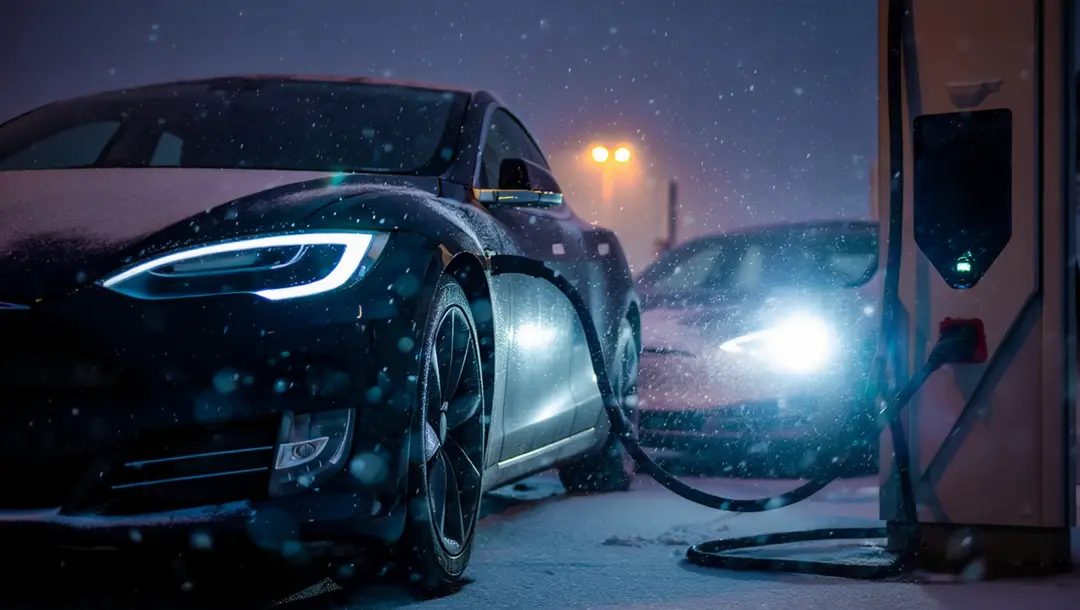

The line between heavy-duty industrial trucks and consumer passenger cars is blurring faster than anyone predicted. We are no longer just talking about faster home chargers. We are looking at hardware capable of delivering up to 800 kW to compatible vehicles. But the real shift isn’t just about speed. It’s about a fundamental change in how we think about energy storage.
The old logic was simple: if you want more range, build a bigger battery. This approach has limits. Physical space, weight, and cost eventually bite back. The new paradigm flips this. Instead of obsessing over battery size, the industry is pivoting to slash charging time. The goal is to make stopping for fuel feel like stopping for coffee.
Imagine plugging in and gaining 300 to 400 kilometers of range in the time it takes to grab a sandwich. For long-haul drivers, range anxiety doesn’t just decrease; it becomes nearly irrelevant. The vehicle doesn’t need to carry a massive energy reserve if it can refill that reserve almost instantly.
The Hardware Gap and Grid Strain
This vision is compelling. It solves the biggest psychological barrier to electric vehicle adoption. But we are still stuck in the engineering weeds. The current fleet of electric cars simply isn’t built to handle that kind of power draw.
Yes, 800-volt architectures are already here. Some luxury and performance models use them to charge faster than older 400-volt systems. But megawatt-level charging? That’s a different beast entirely. The thermal management, the cable thickness, the connector durability—it all needs a complete overhaul. We are asking standard passenger car components to operate in industrial territory.
Then there is the grid. A single 1 MW charger consumes power equivalent to hundreds of households running their ACs and ovens simultaneously. You cannot just plug a megawatt charger into a standard street connection and expect the lights to stay on.
Deploying this infrastructure at scale requires massive capital investment. It demands a sophisticated grid management system that can balance load in real-time. If every EV on a highway ramp tries to charge at full speed during peak hours, the local transformer blows. It’s an engineering puzzle that hasn’t been fully solved.
The Cost Barrier
Technology is only half the battle. The other half is economics. Right now, ultra-fast charging tech is expensive. It’s reserved for fleet operators, logistics hubs, and pilot projects. The hardware costs more. The installation is more complex. The maintenance is higher.
For the average consumer, this gap matters. If the public charging network remains premium-only or limited to specific corridors, the promise of “anywhere, anytime” charging rings hollow. We are moving from a race for autonomy to a race for time. But without affordable, accessible infrastructure, that race stops at the starting line.
Still, the direction is clear. The industry is done chasing bigger batteries. It’s betting on speed. If the grid can keep up and the cars can survive the heat, the electric vehicle becomes as convenient as a gas car. Maybe even more so. The question isn’t really if this will happen. It’s whether we can build the grid fast enough to make it practical for everyone, not just the early adopters with deep pockets.
For now, we wait.


