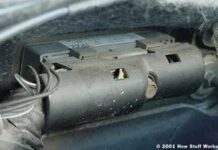
Cars are no longer just metal boxes on wheels. These are closed systems designed to capture vapors circulating in the air. It is not only an environmental sin. It’s all about efficiency, compliance and keeping the engine clean. A key factor in this invisible war is the evaporative emission control system, specifically the charcoal canister.
The hidden problem of gasoline
Gasoline is volatile. Even if you park your car and turn off the engine, the fuel in the fuel tank will still evaporate. In the past, this smog went directly into the atmosphere. This is a waste of money and the biggest cause of smog. The rules have been tightened. Manufacturers needed a way to capture these fumes without the inside of the car smelling like a gas station forecourt.
Enter the charcoal canister. This is a small, usually plastic or metal container filled with activated carbon. Activated carbon has a very large surface area compared to its size. This structure acts like a hydrocarbon sponge. When the fuel vapor leaves the tank, it is trapped inside the canister’s porous material.
How the system works step by step
This process is passive and invisible until needed. The order is:
- Refueling: When the tank is refueled, displaced vapors is routed to the canister. Charcoal absorbs hydrocarbons.
- Parked: Steam is generated when the car is parked. They are still stored in the canister.
- Engine Start: When the engine starts and reaches operating temperature, the system switches modes. The purge valve is open.
- Purging Cycle: The engine vacuum sucks the stored vapor from the charcoal canister into the intake manifold. The engine burns them as if they were came from the fuel injectors.
This cycle prevents smog from escaping. It also recovers fuel that would otherwise be wasted. Modern cars are hermetically sealed in order for this process to run efficiently. A leak in any vapor line can break the vacuum and cause the check engine light to come on.
Why Charcoal? It’s not just about the smell
You may think that the canister is just a filter to block odors. That’s not all. The main goal is to reduce evaporative emissions in accordance with EPA standards. But there is also a side benefit: better fuel economy. The system ensures that every drop of liquid gasoline moves or is contained by capturing and reburning the vapors.
Without the canister, you’d be throwing your money away. This allows you to comply with environmental regulations while maintaining system integrity. The charcoal itself does not deteriorate quickly. Designed to extend the life of your vehicle under normal conditions.
Common failures
Although the system is simple, it can fail. The most common problem is not that the carbon itself is consumed. This is the purge valve or vent valve. If the purge valve stays open, the engine will runs too rich. You may notice a gas smell or a decrease in performance. If you leave it closed, vapor will build up inside the tank. The pressure can cause problems with the fuel pump or, in extreme cases, a crack the tank.
Other defects include broken vapor lines and damaged fuel cap. The fuel cap is a one-way pressure relief valve. If it doesn’t seal, the system cannot withstand pressure. check