December 1997. Tokyo. The Kyoto Protocol was being drafted, a heavy-lifting diplomatic event where nations agreed that carbon emissions were a problem worth solving. It was the moment the global spotlight swung toward energy consumption. Drivers already knew the truth: burning fossil fuels in sedans and trucks was cooking the planet. We needed a shift in technology, not just in policy.
A few months prior to that summit, Toyota dropped a bombshell on the Japanese domestic market. It wasn’t a flashy supercar. It wasn’t a rugged off-roader. It was the Toyota Prius. Sales were modest at launch—around 18,000 units. A niche curiosity. But that initial hesitation masked what would become the most recognizable hybrid car in history.
Why The Prius Dominates Hybrid Conversations
When you bring up electrified vehicles, the Prius name drops every time. It’s not just a model name anymore. It’s a category. While the broader auto industry stumbled through the lean years, the Prius kept moving forward. The Latin root “prius” literally means “to go before.” Toyota leaned into that. They weren’t just building a car; they were signaling the future.
Most competitors are still playing catch-up with their own gas-electric systems. Toyota? They are preparing to release the third generation of the vehicle. The U.S. government set a target of 24 miles per gallon (MPG) for all manufacturers by 2020. The Prius has been crushing that benchmark for years. It doesn’t just meet standards. It ignores them.
“The Prius has been surpassing that [fuel economy] milestone for several years.”
Consumer satisfaction ratings don’t lie either. The Prius consistently tops those charts. Enthusiasts and daily commuters alike report high levels of contentment. But why? How does a compact sedan achieve such staggering efficiency? What specific engineering choices separate it from the pack?
The Design Philosophy Behind The Hybrid
We are looking at the foundations. Not just the hybrid mechanics, but the physical shape that allowed Toyota to market this thing as a viable alternative to traditional combustion engines. The design wasn’t an afterthought. It was the hook.
Let’s dissect what made the early iterations so compelling.

The Shape of Efficiency
Toyota’s been pretty conservative with the Prius look over the years. From its debut in Japan to its American launch, it just looked like a standard compact car. Sleeker as time went on though. The body got more aerodynamic. Air flows faster over the top. Less drag.
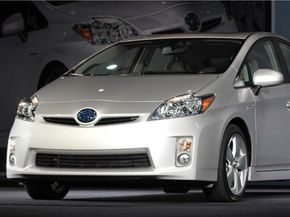
The 2010 model, third gen, changed things up slightly. Influential changes. Toyota kept the general silhouette because recognition matters for a hybrid icon. But small tweaks added up.
Body stretched about four inches (10 cm) longer. An inch (2.5 cm) wider. Sharper corners. Carefully designed lines for air release. It looks more modern now.
Wind resistance dropped. Drag coefficient (Cd) sits at 0.25. Down from 0.26 in 2009. Sounds small. It isn’t. That fractional drop boosts miles per gallon significantly.
Energy Awareness
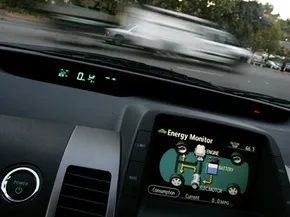
Every Prius generation comes with an energy monitor. Big draw for fuel-conscious buyers. The multi-function display (MFD) tracks energy flow. In and out. Engine to battery. Battery to engine.
Regenerative braking info shows up too. Battery levels. Real-time stats. Aware drivers can watch their consumption. Pay attention and it encourages better habits. Digital gauges show speed. RPMs. Vital stats.
They sit high up on the dash. Centrally located hood. Hard to miss.
Under the Hood
Looks aside. What makes it run? We’ll get to the specs next.
Toyota Prius Specs
How the Series-Parallel Hybrid Drivetrain Actually Works
Parallel hybrids give you choices. You can drive on electric power alone. The gas engine can take over entirely. Or both can fire up simultaneously. Series hybrids are simpler but fundamentally different. The internal combustion engine never touches the wheels. It just acts as a generator to charge the battery. The electric motor does all the driving.
Toyota broke the mold with the Prius. It didn’t choose one path. It built a series-parallel hybrid. This requires a specific mechanical component: the power split device. Introduced in the second generation, this unit merges the gas engine, electric motor, and generator into a single, cohesive gearbox.
The magic happens inside a planetary gear set. An electric motor connects directly to a ring gear. This setup transfers torque to a reduction gear unit linked to the final drive. But the planetary gear set does more than just move the car forward. It features a smaller sun gear and a cluster of planet gears. These components rotate in concert. They propel the vehicle while simultaneously spinning the generator.
There is a hard limit to pure electric driving. Once the sun gear hits its maximum rotational speed, the system switches tactics. The internal combustion engine kicks in. This design prioritizes efficiency. It keeps the electric motor and generator running for as long as possible before burning fuel.
Third-Generation Power and Efficiency Gains
The third generation Prius changed the game with its engine size. They bumped the displacement from 1.5 liters to 1.8 liters. Horsepower jumped from 110 to 160. This addresses the common complaint that hybrids feel sluggish.
You don’t need to plug this car in. The generator constantly replenishes the battery. The target fuel economy for the 2010 model was a staggering 50 mpg (21.3 km/L) combined. That’s a significant leap from the 46 mpg (19.6 km/L) of the 2009 model. Previous iterations struggled to hit 41 mpg (17.4 km/L).
Toyota didn’t just tweak numbers. They re-engineered the flow of energy. The result is a car that doesn’t feel like a compromise.