When Hyundai releases a new model, it gets lost in marketing conversations. But the Ioniq 5 N is more than just a brand. It was an intentionally offensive remark. The Korean brand is struggling in the small hatchback segment. They declare war.
While the N version stands out with piece-specific hardware, the rest of the Ioniq 5 series has been quietly updated. This is more than just a facelift. This is a technology shift that benefits everyone. The tuning of the platform has been improved. Get a brand new interior. Yes, overall battery health has improved.
N Performance is real
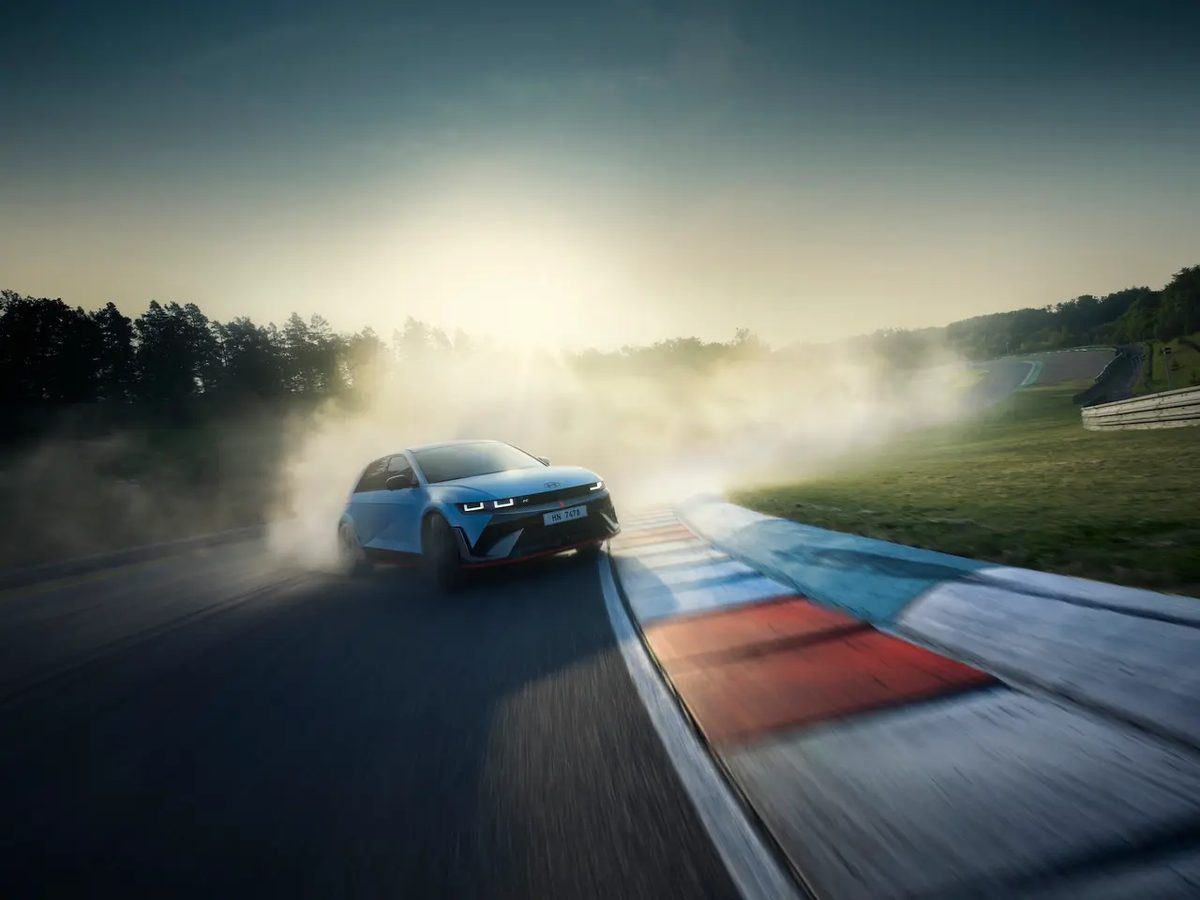
Let’s talk about the elephant in the room. Ioniq 5 N. Hyundai wanted to give the car a sporty feel. It’s not a sporty “eco-car with a sport button.” Very sporty.
It’s not just about adding horsepower. It’s all about driving dynamics. The N version introduces a larger battery. This is important. Not only does this reduce anxiety in the area; It’s about maintaining performance. Power transmission is key when hitting the track or pushing hard down canyon roads. The required energy reserve does not decrease quickly even after three hard accelerations.
The frame has been restored. The geometry of the suspension has been modified. target? It makes a heavy electric SUV feel lighter. let me dance This is a tall car. Gotta drip. Hyundai claims this is not the case.
Handles standard Ioniq 5
The rest of the Ioniq 5 series is not far behind. This year, the standard model has undergone a unique development. It’s less flashy and more practical than the N. But don’t mistake practicality for boring.
The update focuses on two main areas. body and interior.
Chassis improvements provide a smoother ride. Improves machining accuracy. The standard Ioniq 5 has always been nice. It’s sharper now. Better feedback from the steering wheel. The suspension absorbs shocks without sagging. This is a subtle change. I feel it more than I see it.
Interior updates refresh the cabin. New material. Better ergonomics. The infotainment system has been overhauled. Reduce clutter. More features. This is a welcome change for a car that is already a pioneer.
The battery revolution
This is the most important thing. The large battery of the Ioniq 5 N extends beyond the N to other areas as well. This is a strategic move. Hyundai is standardizing larger batteries.
Why is this important? Range is no longer the primary concern of many electric car buyers. It’s all about versatility. The bigger the battery, the more power it can use. This (in theory) means faster loading possibilities. This means you can ride hard without worrying about charge levels.
This change is indicative of a broader trend. Electric vehicles are becoming more efficient. The line between “daily driver” and “weekend toy” is blurring. The Ioniq 5 N goes above and beyond. The rest of the lineup is as follows.
Why is this important now?
The electric car market is crowded. to everyone
The Genesis of a Hot Hatch
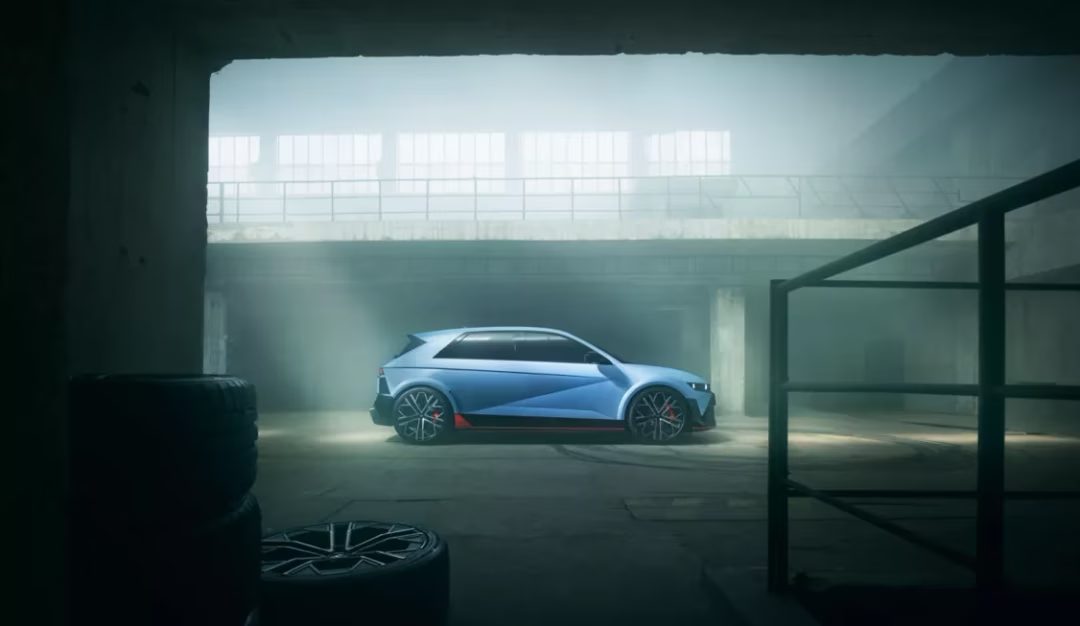
Ioniq 5 N is more than just a badge-engineered afterthought. This was born out of a certain, almost obsessive desire by Hyundai’s engineering team to prove that electric hatchbacks can really entertain you on the track. This requires a massive and synchronized effort worldwide.
Korea laid the foundation. Europe brought expertise in driving dynamics. The US is responsible for software integration and performance tuning. The result? It’s a version of the regular Ioniq 5 that feels more like a weaponized daily driver than a grocery getter.
Drift mode and N e-Shift
The main feature is Drift Mode. It’s not a gimmick. When activated by turning the dial, the car oversteers on purpose. The rear motor applies the torque and breaks traction, and the front motor corrects the slip. It’s chaotic. It’s fun. You have to respect physics, but cars help you live on the edge.
Then there is the N e-Shift. This system simulates shifting gears. Obviously, there is no physical gearbox. This is software. However, it mimics the kick of the clutch and the torque interruption during upshifts. The tachometer on the dashboard rises and falls. It adds a layer missing from pure instantaneous torque.
Track Mode and Performance Specs
Under the hood, or rather under the floor, is a dual-motor setup. The power figures are amazing.
- Peak power: 650 horsepower in boost mode.
- Torque: 775 lb-ft.
- 0-60 mph: About 3.25 seconds.
But the specs are only half the story. The cooling system is designed for track use. It has separate radiators for the battery and powertrain. When driving on the street, the car controls the heat passively. On the track, you can activate Track Mode. This pre-cools the system and adjusts the throttle mapping for maximum consistency.
The sound of speed
Hyundai spent millions of dollars to develop N Active Sound Plus. They didn’t just sample a Ferrari. They worked with engineers to create a synthetic soundtrack that responds to driving. Acceleration adds aggression. Applying the brakes increases the mechanical bite. This is not an actual engine sound, but provides audio feedback to help judge speed and effort. This is controversial. Some purists hate it. But a silent EV require a feedback loop.
Why this matters to electric car enthusiasts
Most electric cars are point-to-point appliances. The Ioniq 5 N changes the equation. It forces you to think about momentum. About braking points. About managing power delivery.
Collaboration between global teams brings more than just horsepower. It adds soul. The car feels alive. It fights back. It rewards skill.
Is it the ultimate electric driver’s car? The debate is still raging. But for those who miss the smell of gasoline and the vibration of a manual powertrain, the Ioniq 5 N offers a glimpse into a future that isn’t entirely silent.
The track is waiting. The battery is charged. It’s up to you to decide if you’re ready to drive it like it’s built to be driven.
The engineering team behind this machine has an internal nickname: N-génieurs. It’s an interesting nod to their heritage, but the work required to add the soul of a sports car to an electric sedan is anything but fun.
This is not the Ioniq 6. This is a completely different beast. The streamlined grand tourer focuses on range and efficiency. The Ioniq 5 N focuses on cornering agility. It wants to bite into apexes. It makes you want to scream on the track.
To achieve this, Hyundai has made adjustments that go beyond software. They went in a structural direction. Engineers added more welds to strengthen the frame. The steering column has been updated to reduce flex and improve feedback. These are not minor tweaks. These are fundamental changes designed to stabilize the car when pushed hard.
The reality of powertrains and batteries
Underneath the metal is a larger and more powerful battery pack. We’re talking about an 84kWh unit.
Why is this important? Because it increases the nominal WLTP range to 448 kilometers. That’s impressive for an electric car that weighs about the same as a light truck. But the real story is how that energy plays out.
The battery powers the powerful inverters for the front and rear electric motors. result? A combinatorial result that violates physical principles.
In N Grin Boost mode, the Ioniq 5 N produces 650 horsepower.
That number isn’t just for show. This is a direct challenge to the current king of the grocery crossover segment, the Tesla Model Y Performance.
Numbers Game: Ioniq 5 N vs. Competition
Let’s look at the rankings. Because although horsepower is the benchmark for electric vehicle performance, the 0-100 km/h time is the only truth.
- Hyundai Ioniq 5 N: 650 hp. Acceleration from 0-100 km/h takes about 3.4 seconds.
- Tesla Model Y Performance: 421 HP. Acceleration from 0-100 km/h takes only 3.7 seconds.
Hyundai didn’t just beat Tesla. That’s an insult. The Ioniq 5 N fires faster and retains much more energy in the tank.
But the Model Y isn’t the only competitor. Audi is in the chat with the RS e-tron GT.
- Audi RS e-tron GT: 598 hp. Acceleration from 0-100 km/h takes only 3.3 seconds.
Audi still has a slight advantage in acceleration statistics. It is a stylish and expensive 4-door coupe, much more expensive than the Hyundai. The Ioniq 5 N undercuts Tesla’s price, but beats Tesla in speed. For the rest of the industry, this is a cruel situation.
Synthetic soundscapes and digital participation
One factor that separates enthusiasts here is the noise.
Electric motors don’t naturally rumble like internal combustion engines, so Hyundai engineered the soundscape. This is no fake V8 grunt. It’s close to the whine and rumble of the Le Mans prototypes. Changes depending on Accelerator and brake input
3.4 seconds. This is the time it takes the Ioniq 5 N to reach 100 km/h from a standstill.
It’s fast. Exponential. Top speed? 260 km/h.
But speed is only half the story. The braking system (called N Brake Regen ) provides a steady 0.6G of deceleration. It was as if an invisible hand was pulling the car backwards. This is more than just a technical exercise. Hyundai drives this car hard. More than 10,000 km on the Nürburgring.
result?
The Nordschleife lap time was 7 minutes 45 minutes 59 seconds. The fastest modern car ever.
This number is important. This shows that batteries do more than just store energy. Heat is generated. And heat degrades performance.
Adjust for long distance driving
Hyundai has given us a model to deal with this madness.
- N Race Sprint: Unleash all your power. There are no restrictions.
- Endurance: Maximize range.
Which one you choose depends on how long you plan to stay in the mountains.
However, it’s not just N that attracts attention.
The standard Ioniq 5 will be updated in 2024. This is a light improvement. No big deal. But the details matter.
Technology update
The biggest change is under the floorboards. 84 kWh battery. The same unit is also available in the N model.
Why is this important to you?
Because the frame has changed. Increased agility. Sound insulation of the rear axle has been improved. Less noise. Focus more.
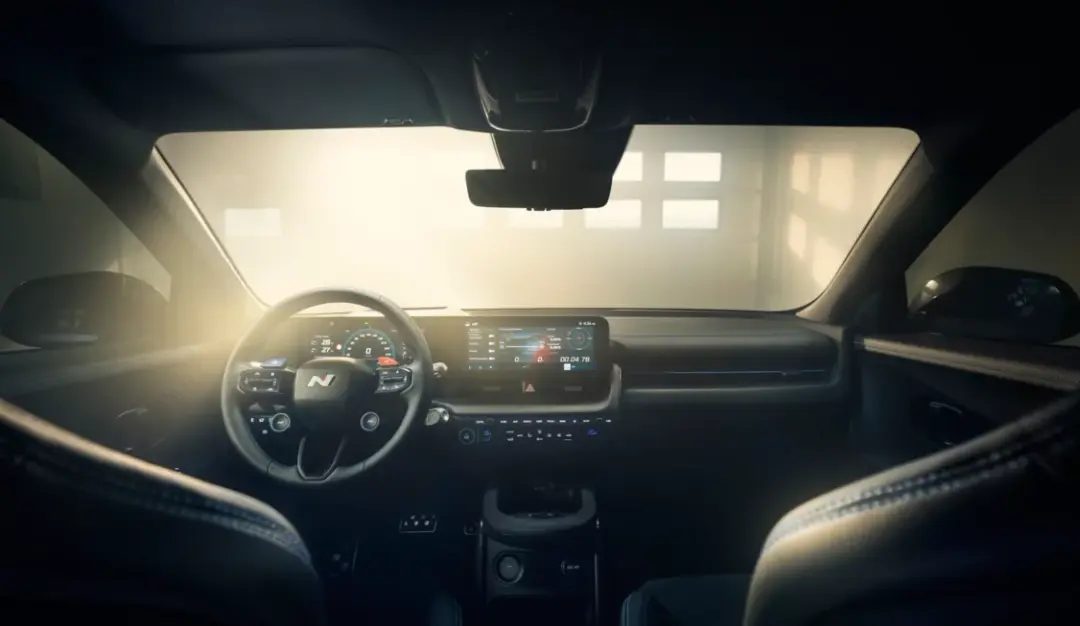
A new row of buttons has been added inside the dashboard. A modern-looking steering wheel was installed in place of the old one. For those who want to see lap times without displaying them, we’ve added the N Line cut to the list.
A sporty look. Normal driving dynamics.
This is a compromise.
But again, not everyone needs a 7 minute 45 second lap time.