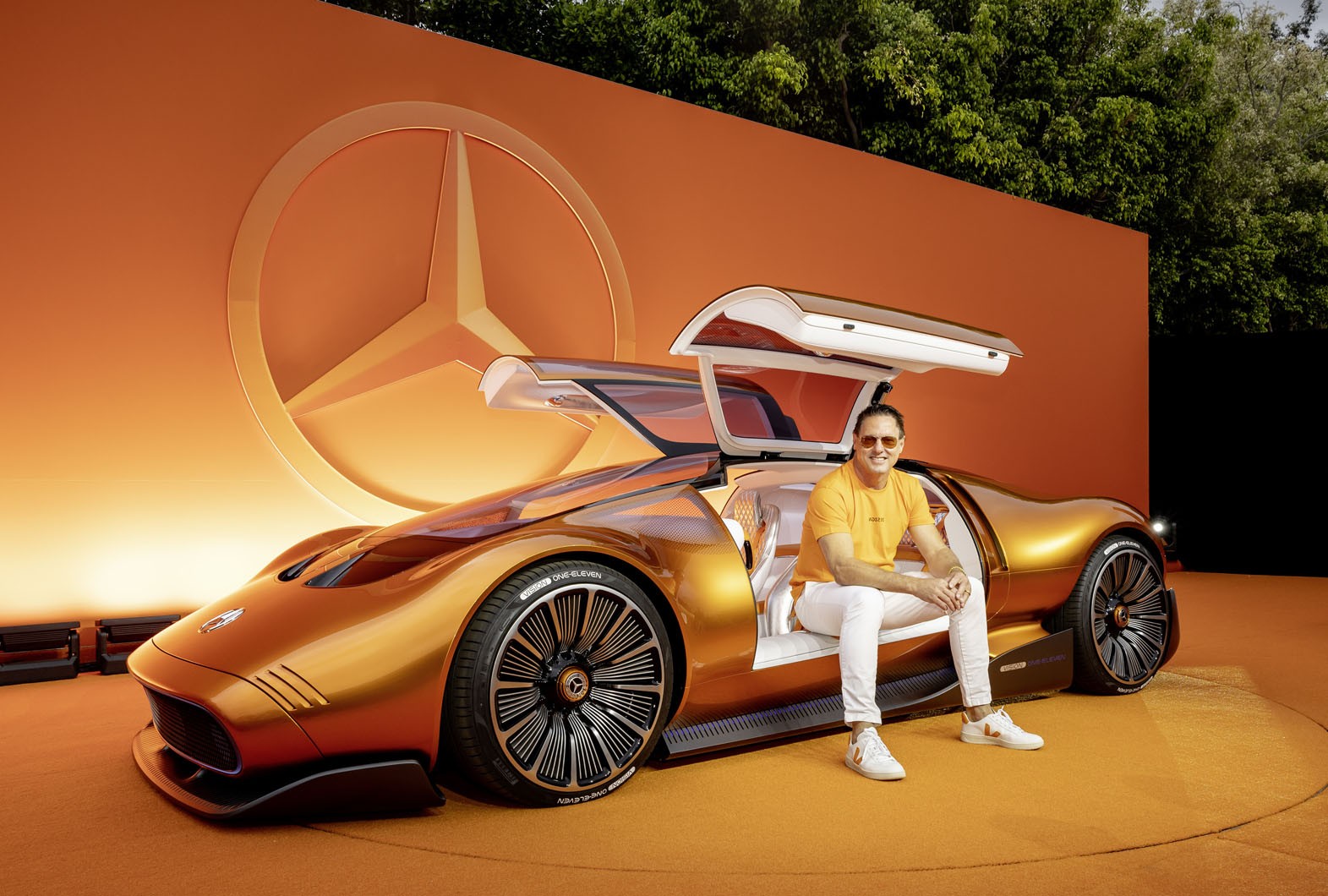
Dopo quasi tre decenni al timone, l’influente capo del design di Mercedes-Benz, Gorden Wagener, lascerà l’azienda a gennaio. This marks the end of an era defined by a dramatic shift in the brand’s aesthetic, moving from conservative engineering-focused styling to the more emotive and sculpted designs that characterize today’s Mercedes lineup.
### Un’eredità di “purezza sensuale”
Wagener joined Mercedes-Benz in 1997 and rose to lead global design in 2008, becoming one of the automotive industry’s youngest-ever chief designers. Ha ereditato un dipartimento di design che lotta per bilanciare la tradizione con le tendenze moderne. His solution was a philosophy he termed “sensual purity,” unveiled in 2009. This approach prioritized clean lines, sculptural forms, and reduced detail – a sharp contrast to the angular, heavily ornamented designs of previous decades.
“We don’t want to be conservative any more,” Wagener stated in 2019. “Mercedes has to be emotional. You have to fall in love with the car before you even sit in it.”
### L’evoluzione del design Mercedes
Prima di Wagener, i progetti Mercedes erano in gran parte dettati da requisiti ingegneristici, risultando in un’estetica funzionale ma spesso banale. His influence is visible across the entire Mercedes range, with the AMG GT sports car being a standout example of his “sensual purity” philosophy. Lo stesso Wagener considera la GT la sua creazione più amata, incarnando pura emozione e fascino.
Il passaggio non è stato immediato. Il predecessore di Wagener, Peter Pfeiffer, preferiva un approccio più tradizionale e guidato dall’ingegneria. Il cambiamento richiedeva un cambiamento culturale interno tanto quanto un perfezionamento estetico.
Prospettive future
Il successore di Wagener sarà Bastian Baudy, attualmente responsabile del design delle auto ad alte prestazioni AMG. Wagener’s last project before departure was the Vision Iconic concept car, previewing the bold new design language slated for future electric models like the C-Class and E-Class, due in 2026 and 2027.
Wagener’s departure signals a turning point for Mercedes-Benz design, but his legacy of prioritizing emotional appeal over pure functionality will likely shape the brand’s aesthetic for years to come. The move underscores the increasing importance of design in the automotive industry, where visual identity can make or break a brand in a competitive market.