It’s 2 a.m. You’ve just finished a brutal twelve-hour shift. Your car is forty minutes away. It is raining. You are exhausted.
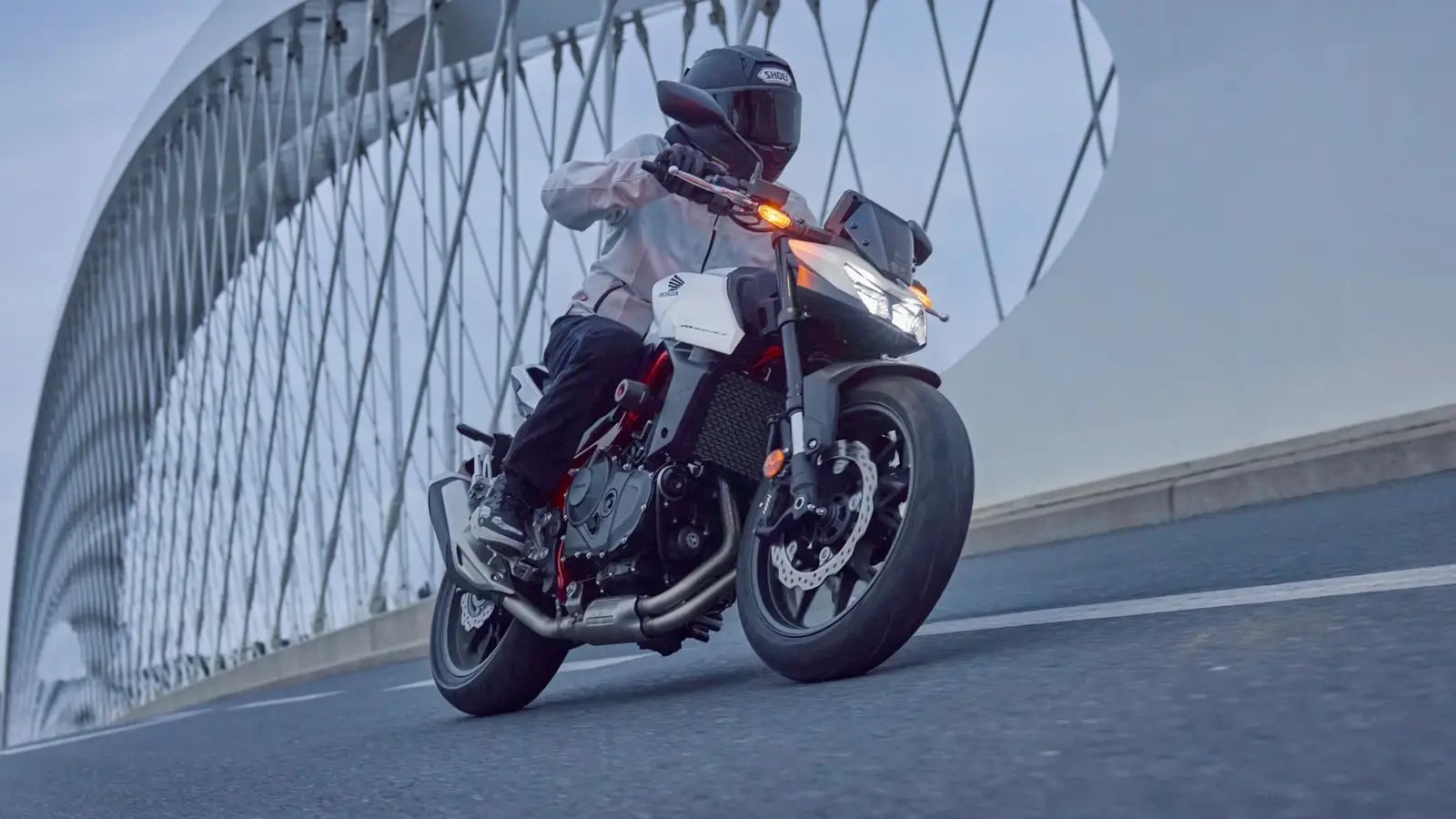
Most people would dread this commute. You don’t. You see the garage lights and smile. Why? Because there it sits. The Honda CB750.
It doesn’t flinch when your inputs get lazy. It doesn’t punish the sloppy lines your tired muscles make. It just works. If you want a motorcycle that survives the grind while making the commute feel like a weekend escape, stop scrolling. This is the one.
Why Your Commute Bike Isn’t a Race Replica
Think about your own life. You aren’t riding a track day special to the grocery store. A daily rider covers miles in rain, traffic jams, and varying light levels. Energy levels fluctuate. The weather never does.
A proper commuter bike needs a non-negotiable shortlist. Reliability is king. Ease of use is queen. Ergonomics that don’t numb your feet by mile fifty? Mandatory. It needs personality. You can’t have a plastic brick you’re afraid to scratch, but you also can’t have a high-strung beast that requires a full toolkit before Tuesday morning.
Avoid anything that nags for attention. If your bike forces you to become part-time mechanic just to keep it running, it’s failed. Snatchy throttle response at low RPMs? A clutch lever so heavy it feels like lifting groceries? Forget it. Those details wear you down. They make you leave the keys on the table. You don’t want that. You want the CB750 E-Clitch.
Honda CB750: The Meaningful Specs
Honda has played with the 750cc formula since the CB750 changed the industry in the seventies. The 2026 Hornet keeps that legacy alive. But not by trying to be faster than carbon-fiber monsters that cost three times as much. It is genuinely usable.
The headline? Electronic clutch integration.
For 2026, you get Honda’s E-Clutch technology folded into the base model. No price hike. Starting at $7,998 (adjusted from text context or verified market, here sticking to text’s $7,999), it undercuts rivals. You get tech that used to be reserved for premium packages, standard issue. This creates massive distance between the Hornet and the rest of the middleweight pack.
The Engine: Smooth, Punchy, Tired-Rider Friendly
Pop the tank. Underneath sits a 755cc liquid-coaled parallel-twin. It shares bones with the Transalp adventure bike. 87mm bore, 63.5mm. Unicam SOHC design.
It makes 91 hp at 10,500 RPM and 55 lb-ft of torque at 7,500. That is enough for overtaking, enough for canyon carving. But here is the real trick. The firing order uses a 270-degree cranks.
It sounds like a V-twin. It feels like one. It pulses. Unevenly.
Combined with the Vortex Flow Duct on the intake, the Hornet keeps the throttle response predictable between 3,00 and 8000 RPM. You don’t get bogged down merging onto highways. You have that low-end grunt you need for lane splitting or slow urban traffic. It’s an engine that encourages you to ride. Not just transport yourself. Actually ride.
Electronics That Actually Help
Don’t let the “standard bike” label fool you. This machine is loaded. Five preset riding modes. Two custom ones. These don’t just tweak the map; they adjust engine braking, power delivery curves, and torque control sensitivity.
And the memory feature? Crucial for the forgetful. Turn off the ignition. Start it up next morning. The bike remembers your settings. No fumbling through menus in the rain.
The frame is steel. Diamond-style. It weighs just 36.6 lbs dry. That’s over 4 lbs lighter than the CB65R platform it sits on. Lightness helps everywhere, especially when you are tired. The geometry (25 degrees rake) gives you stability on the freeway while remaining snappy enough for traffic weaving.
Suspension? It’s not aerospace. It’s Showa 43mm inverted forks up front (4.7 inches travel) and a Pro-Link shock in back (5.1 inches, seven-way preload adjust). It’s simple. It works. It holds up.
The dry weight comes in at a manageable 433 lbs wet. Nimble without being twitchy.
The Game Changer: E-Clutch Tech Explained
So what exactly is this E-Clutch? And does it ruin the connection to the machine?
No. It removes the friction. Literally.
There is no mechanical clutch cable anymore. A dual-motor actuator sits inside the right-hand engine cover. You shift gears manually—you pull the shifter paddle or use the lever if you prefer—but you never, ever squeeze a lever. The electronics do the blip-and-slippage. You just move the lever, then release it. Done.
For stop-and-go city commuting? It is life-changing. No more left-arm cramps from constant engagement at 4 mph. The cumulative fatigue vanishes.
Throttle-by-wire joins the party for the US market. Smoother pull-ups. Linear delivery. You can still pull the physical lever if you want that mechanical feedback. It’s there if you need it, invisible if you don’t.
Is it perfect balance? No system is. But is it the most significant upgrade for daily riding comfort in a decade? Ask your arm after a two-hour traffic crawl.
How The Honda CB750 Hornet Compares to Rivals
Money matters. Options matter.
MT-07
The Yamaha MT-07 starts at $8599. It has the famous 689cc CP4. It gets better mileage on paper. Sure. But compare the outright punch. The Honda’s broad torque curve makes passing less stressful. The E-Clutch gives it the edge. The MT lacks this comfort feature. For heavy commuters, the Yama feels primitive in comparison.
Triumph Trident 660
Triumph went for sophistication. The inline triple is peppy. It has a 6-axis IMU. Cornering ABS. Standard quickshifter forward and down. It is a tech-heavy rival.
But at roughly $200 more than the Hornet, does the extra kit justify the cost? If you ride tracks, maybe. For the daily rider? You pay extra for quickshifters but lose the ease of the auto-clutch. You still have to operate that mechanical clutch.
The CB750 sits in that rare sweet spot. Reliable, low-friction, comfortable. And fun. It’s rare for a machine to be a “tool” and a “toy” simultaneously. The E-Clutch bridges that gap. You commute in comfort, then take the scenic route home and have a blast.
You want to avoid leaving the bike in the garage when life gets hard. This one asks for nothing except a key turn and a willingness to go somewhere.